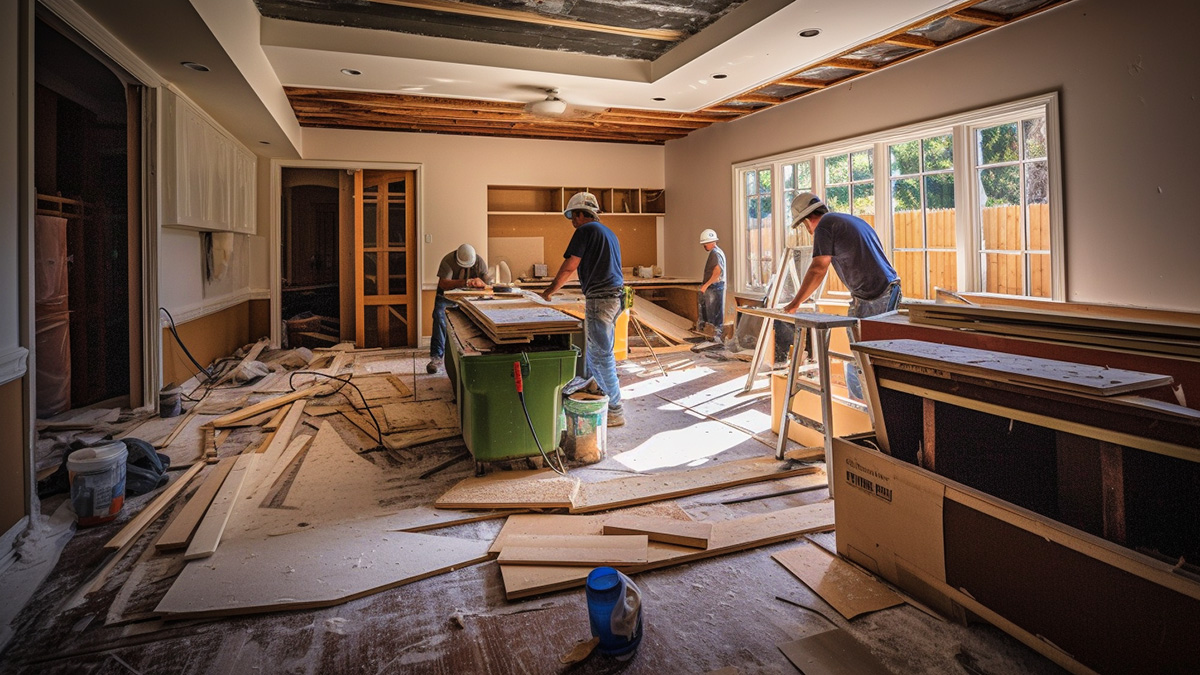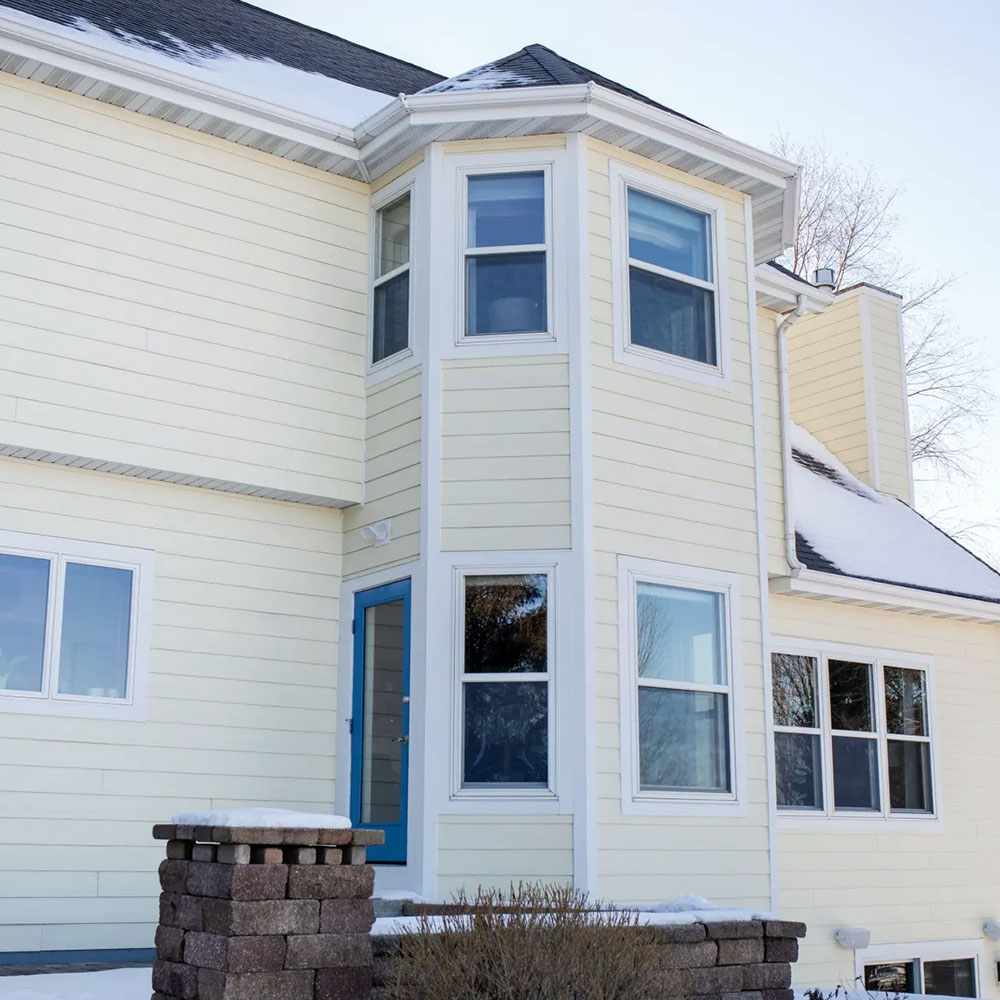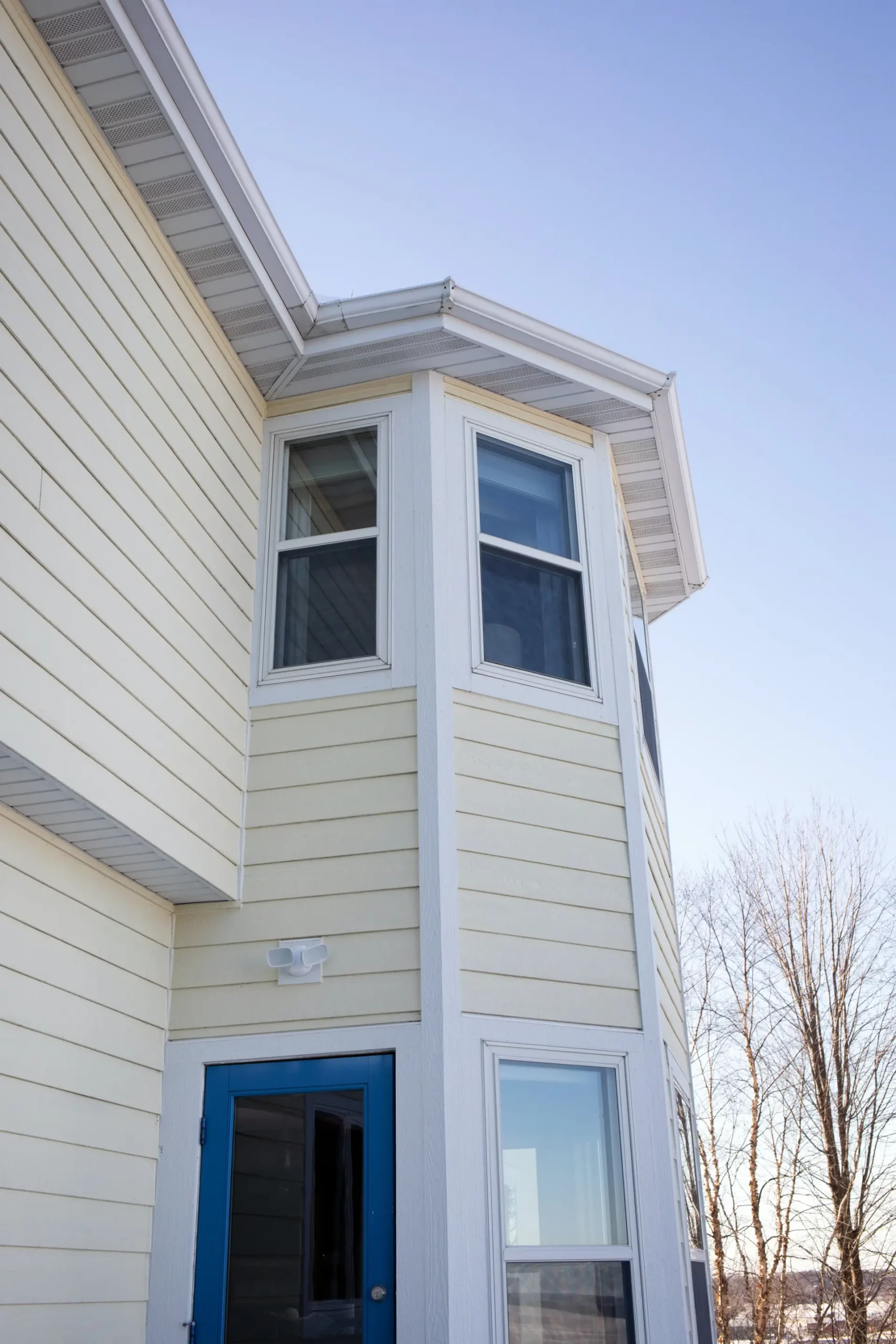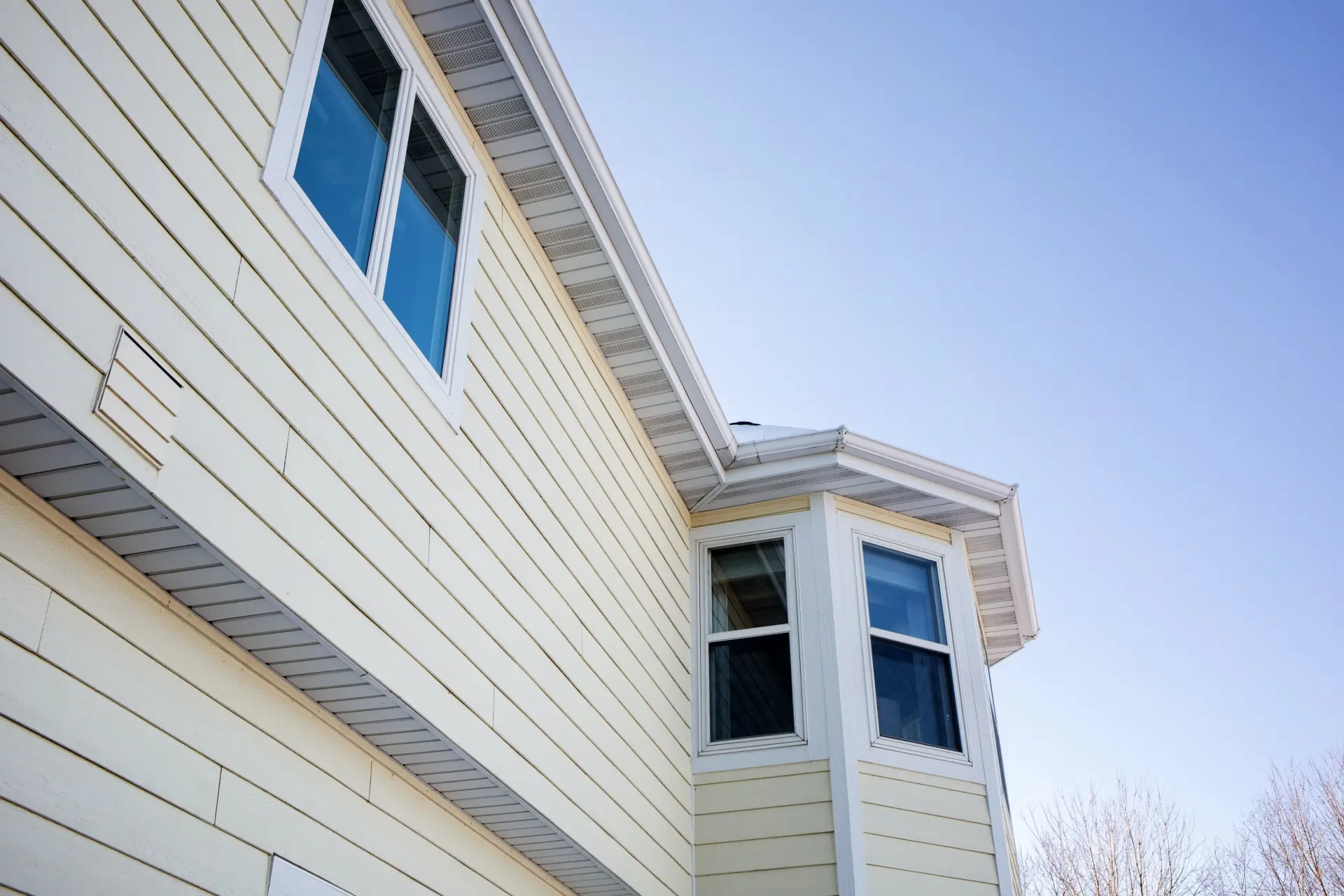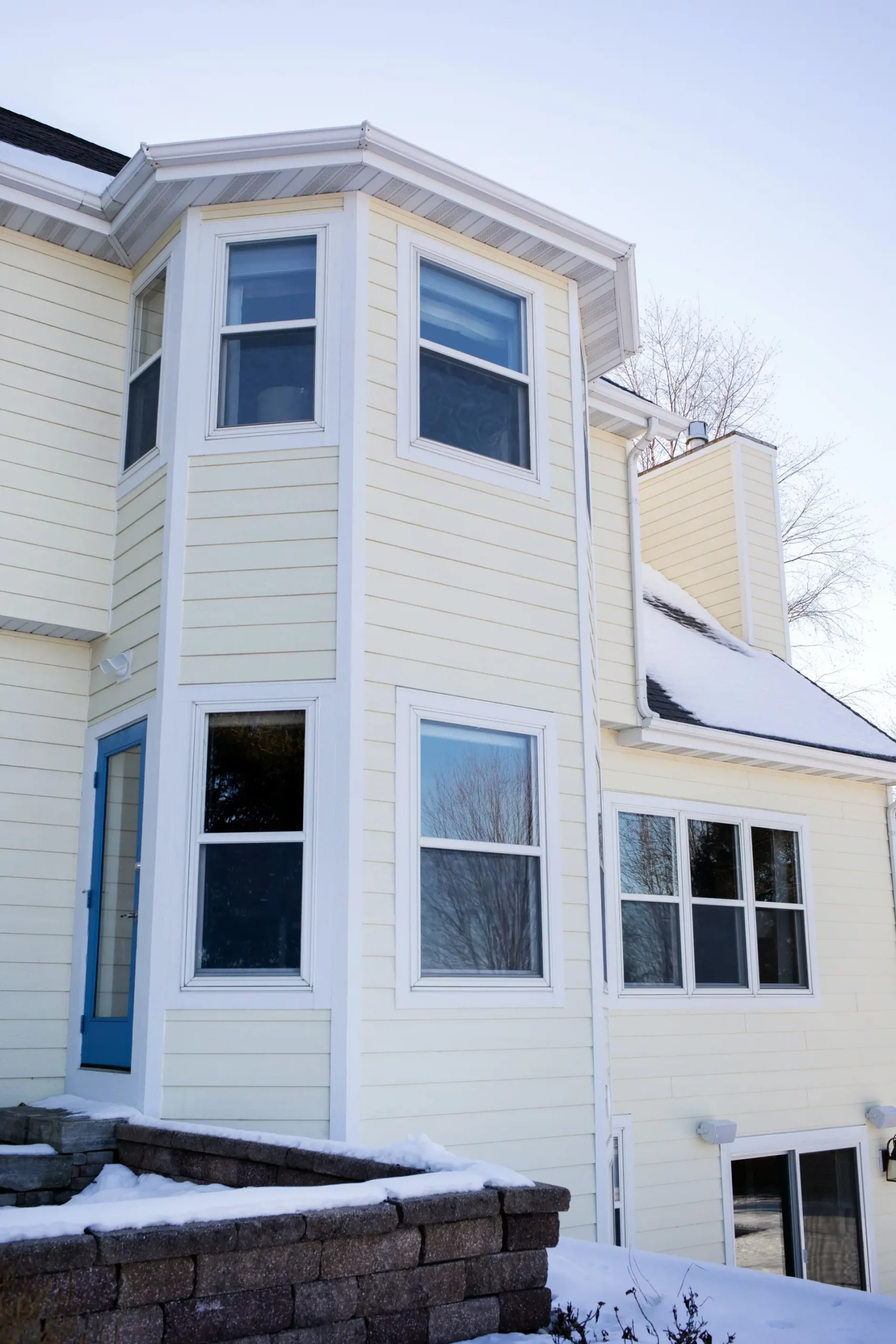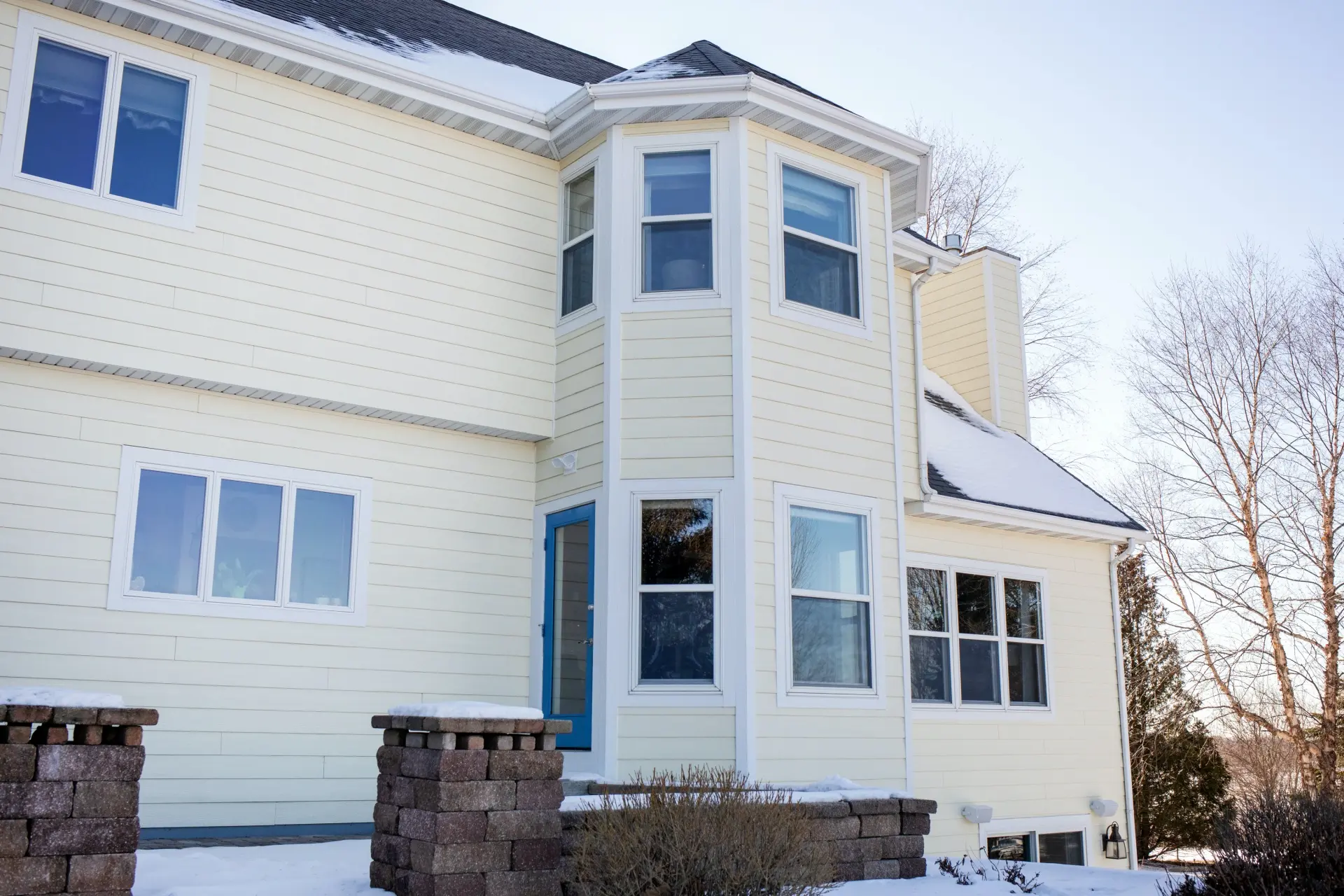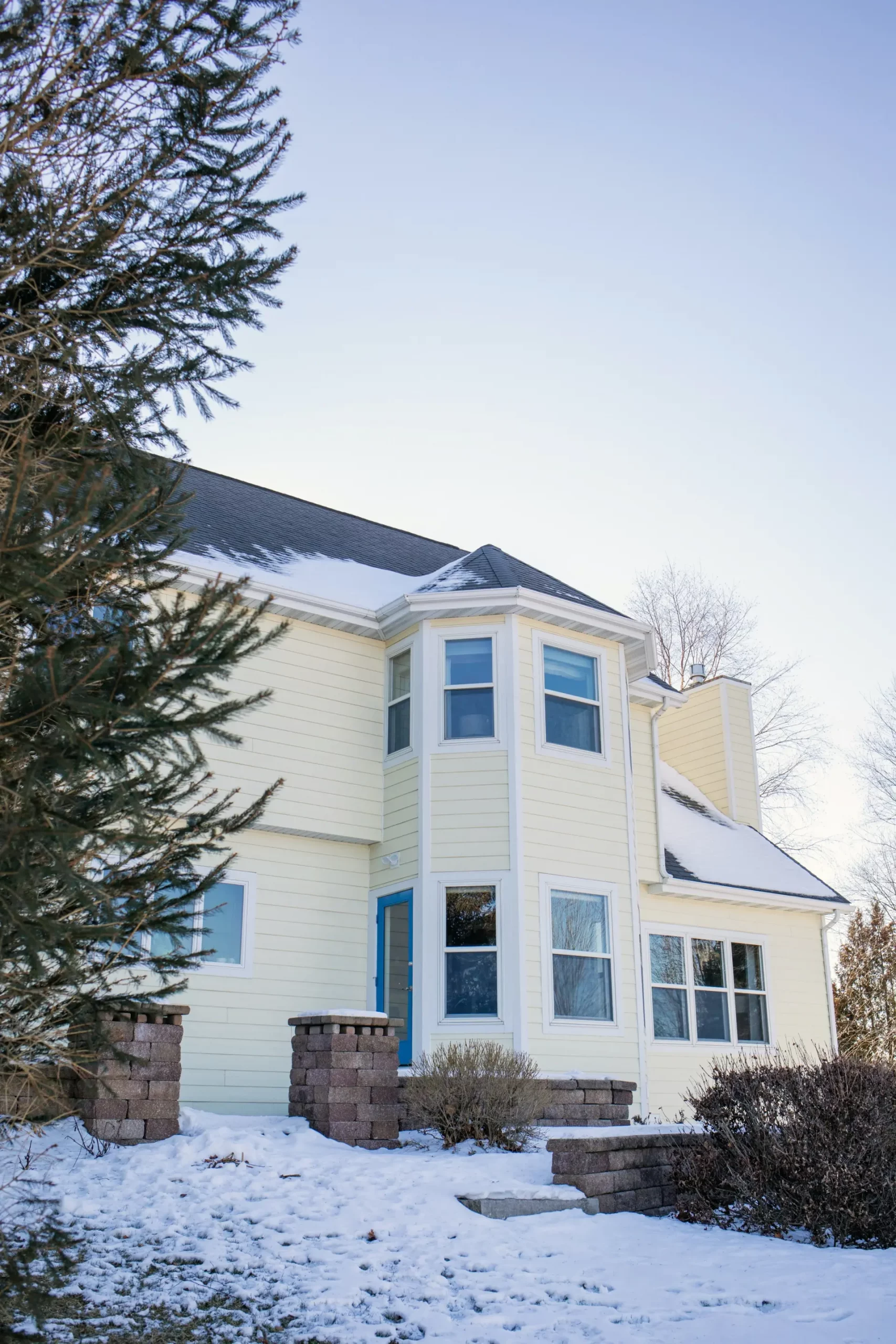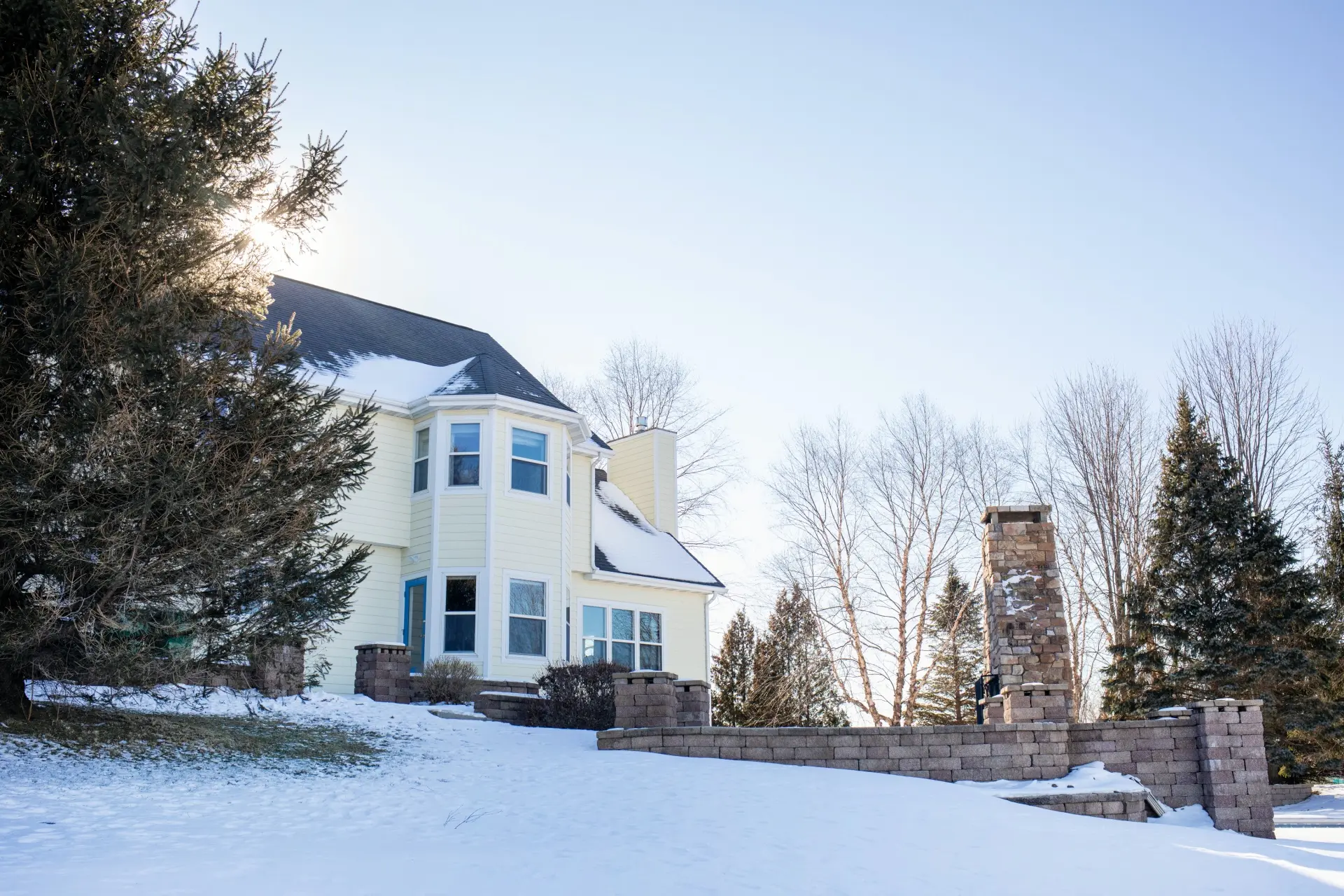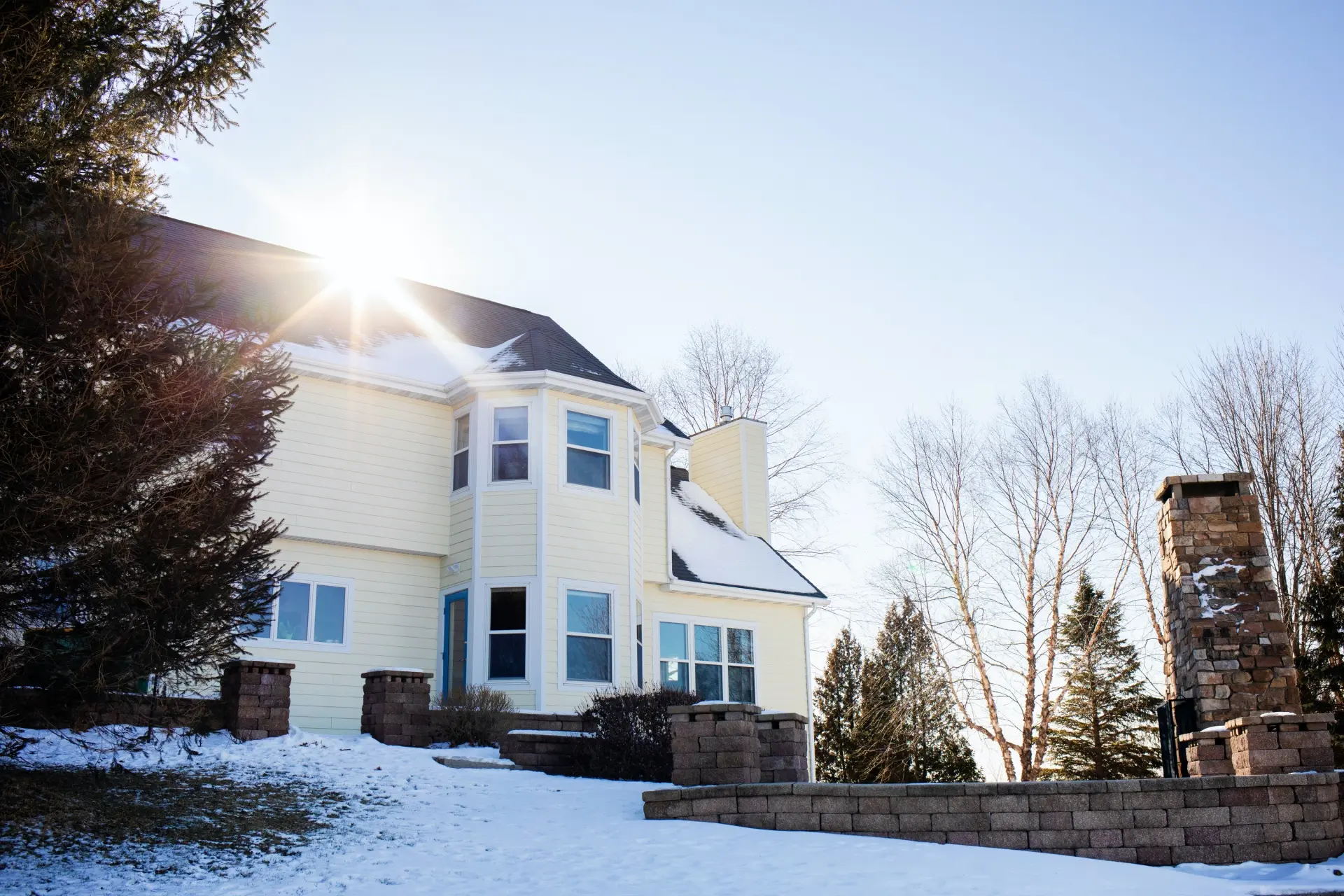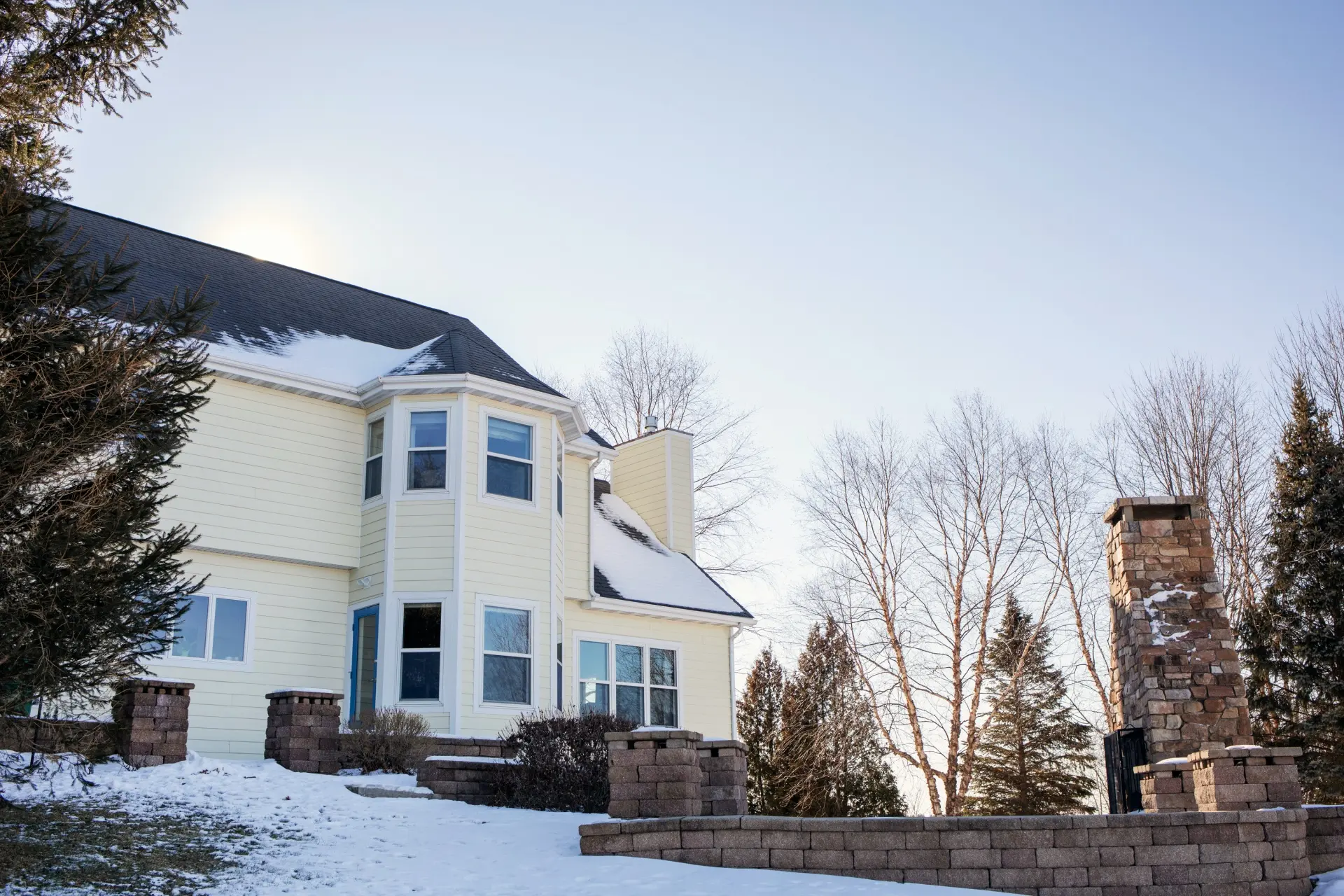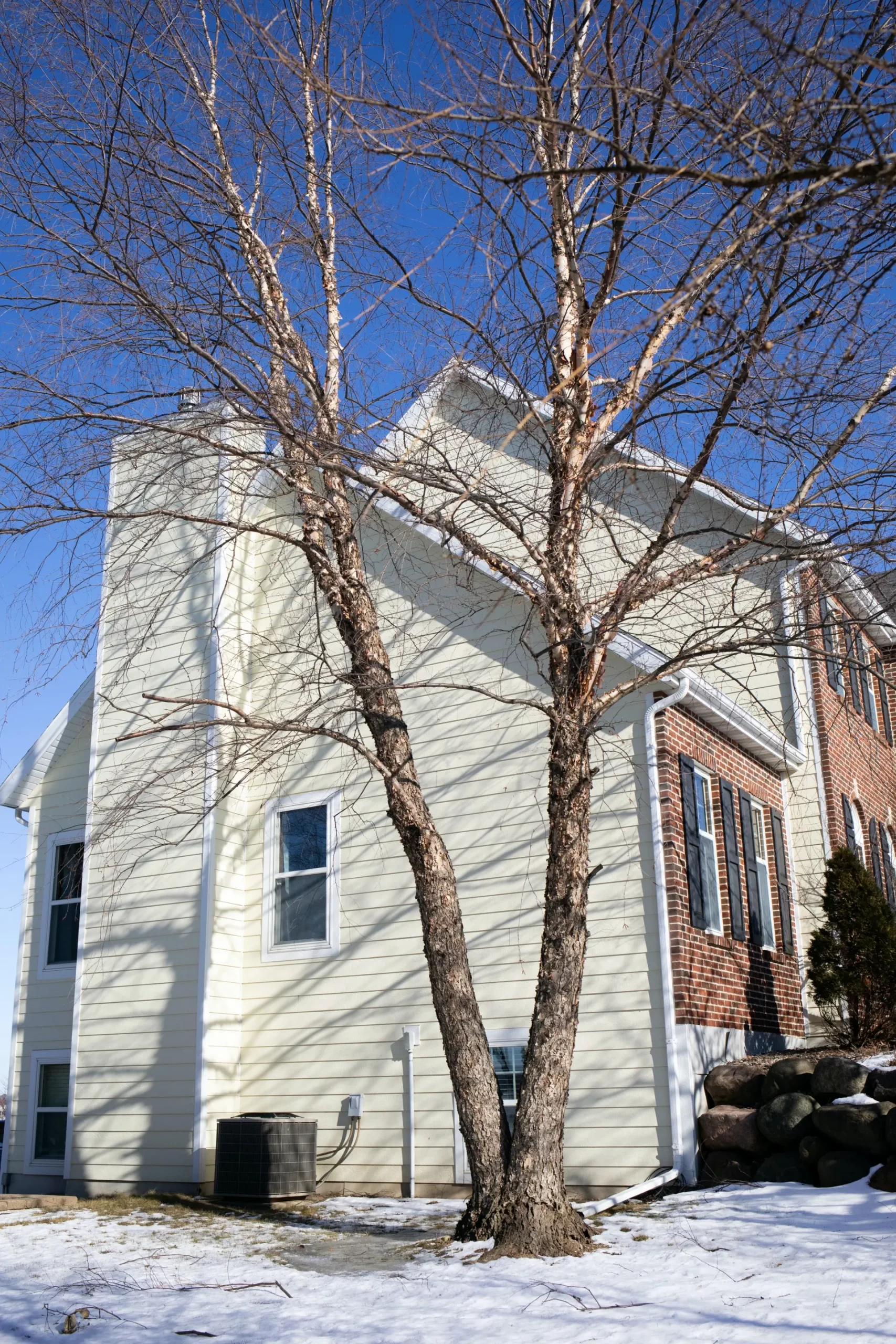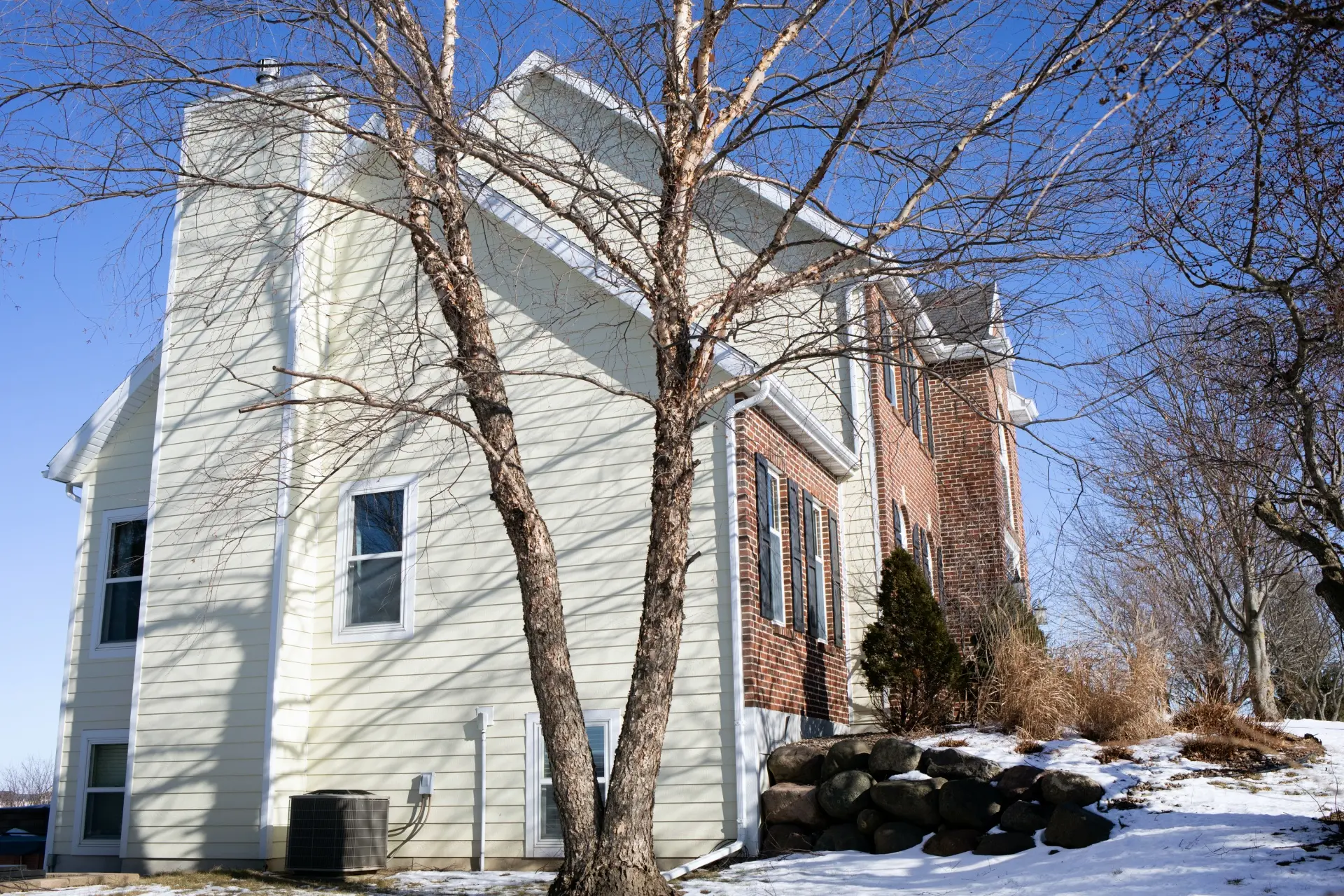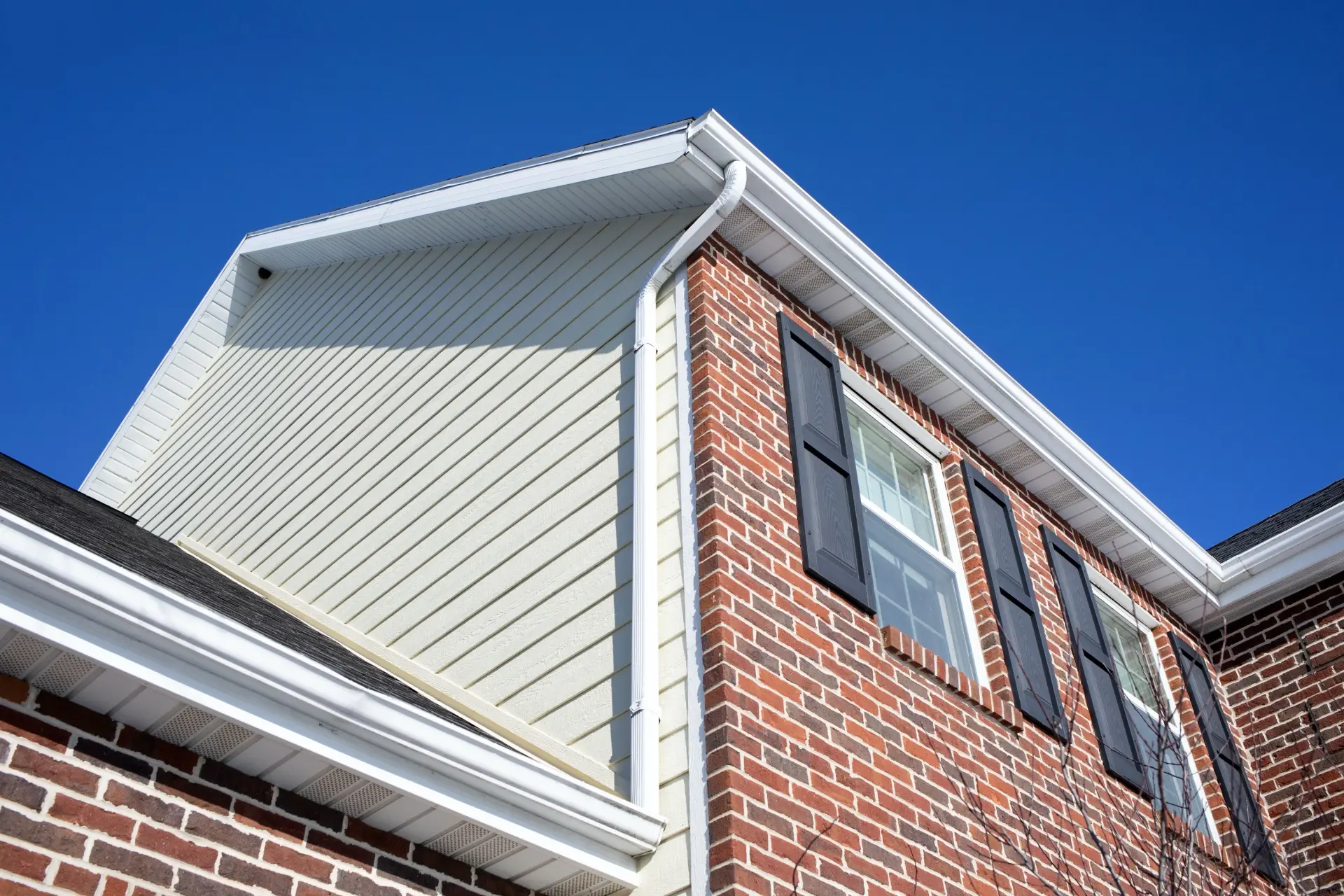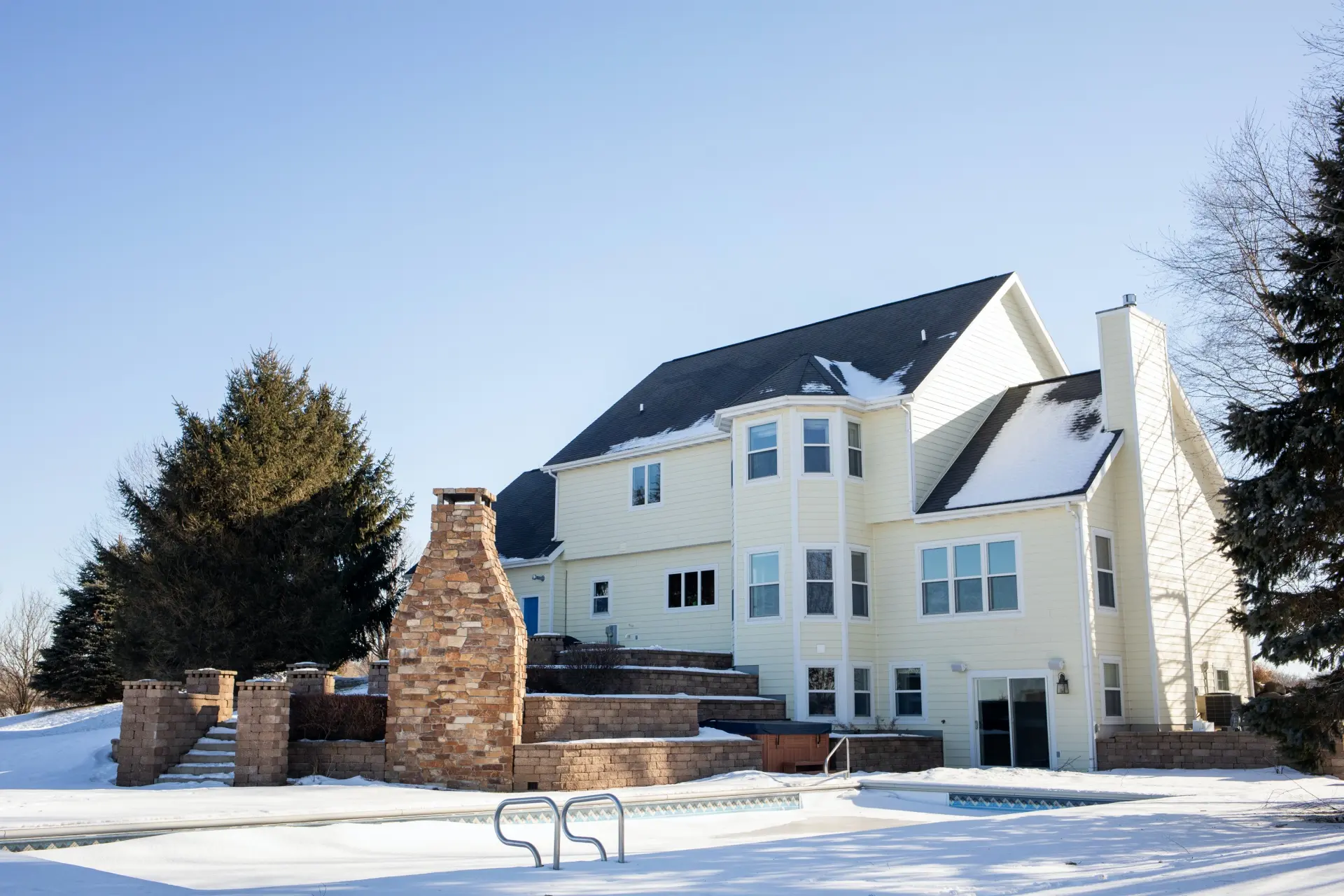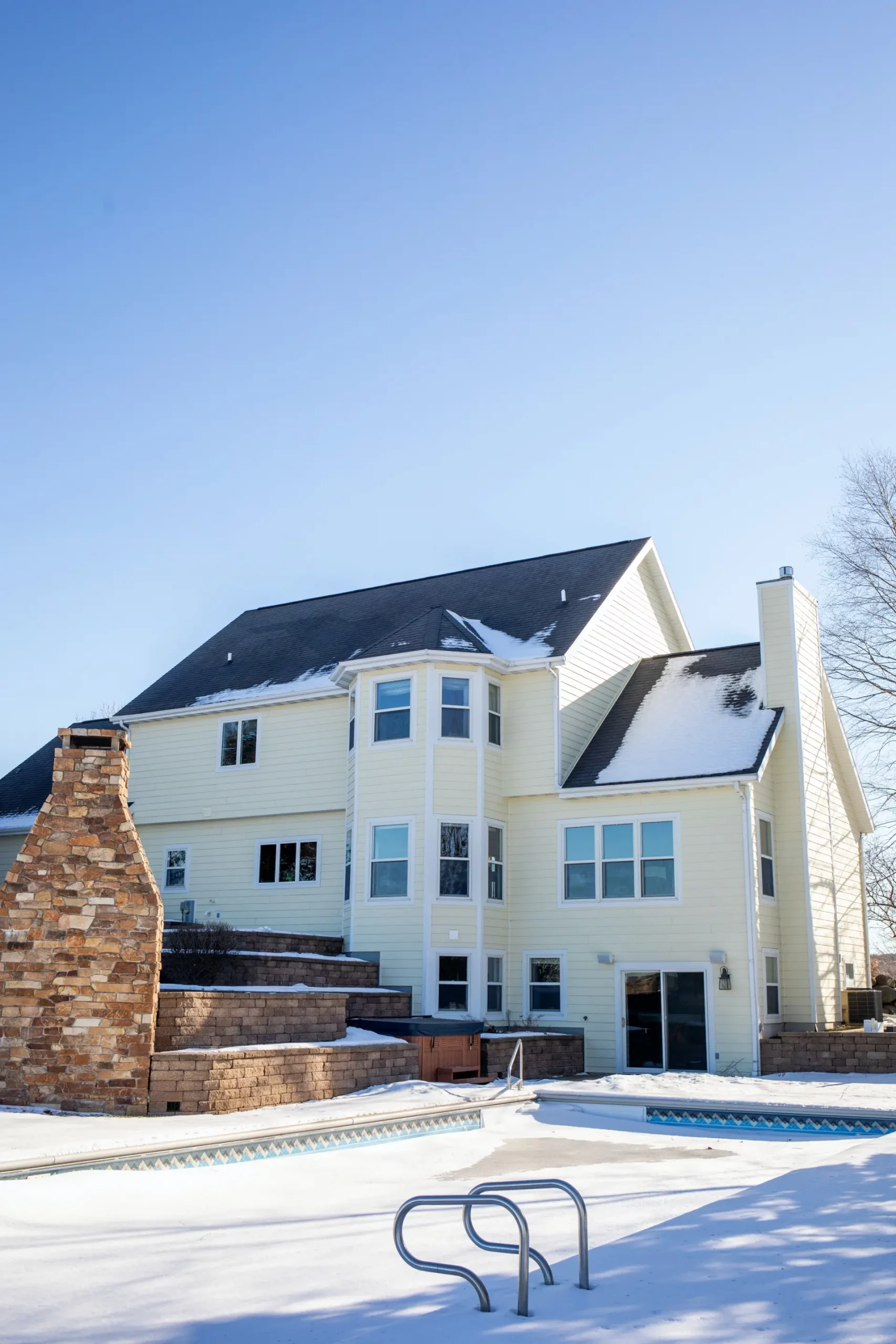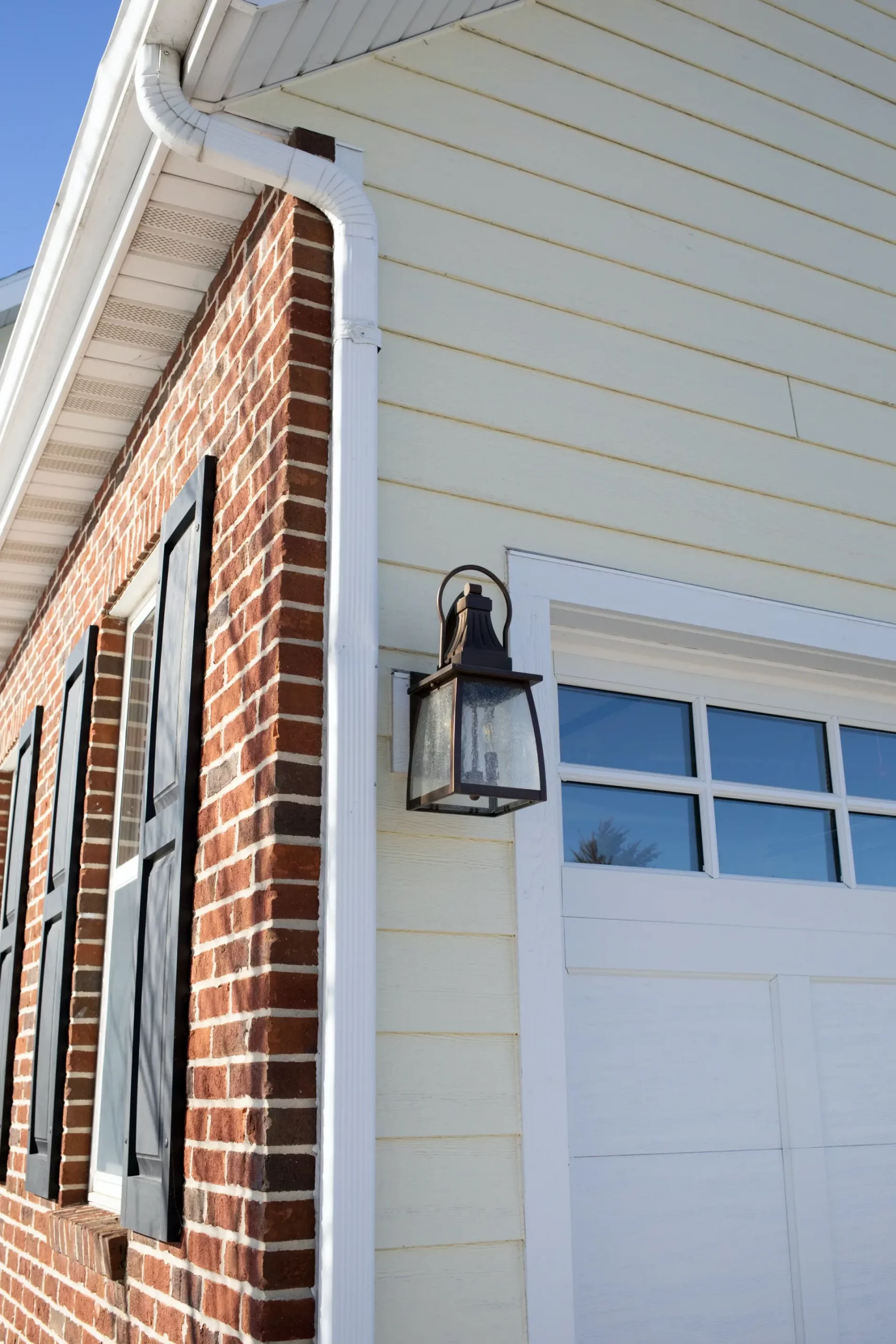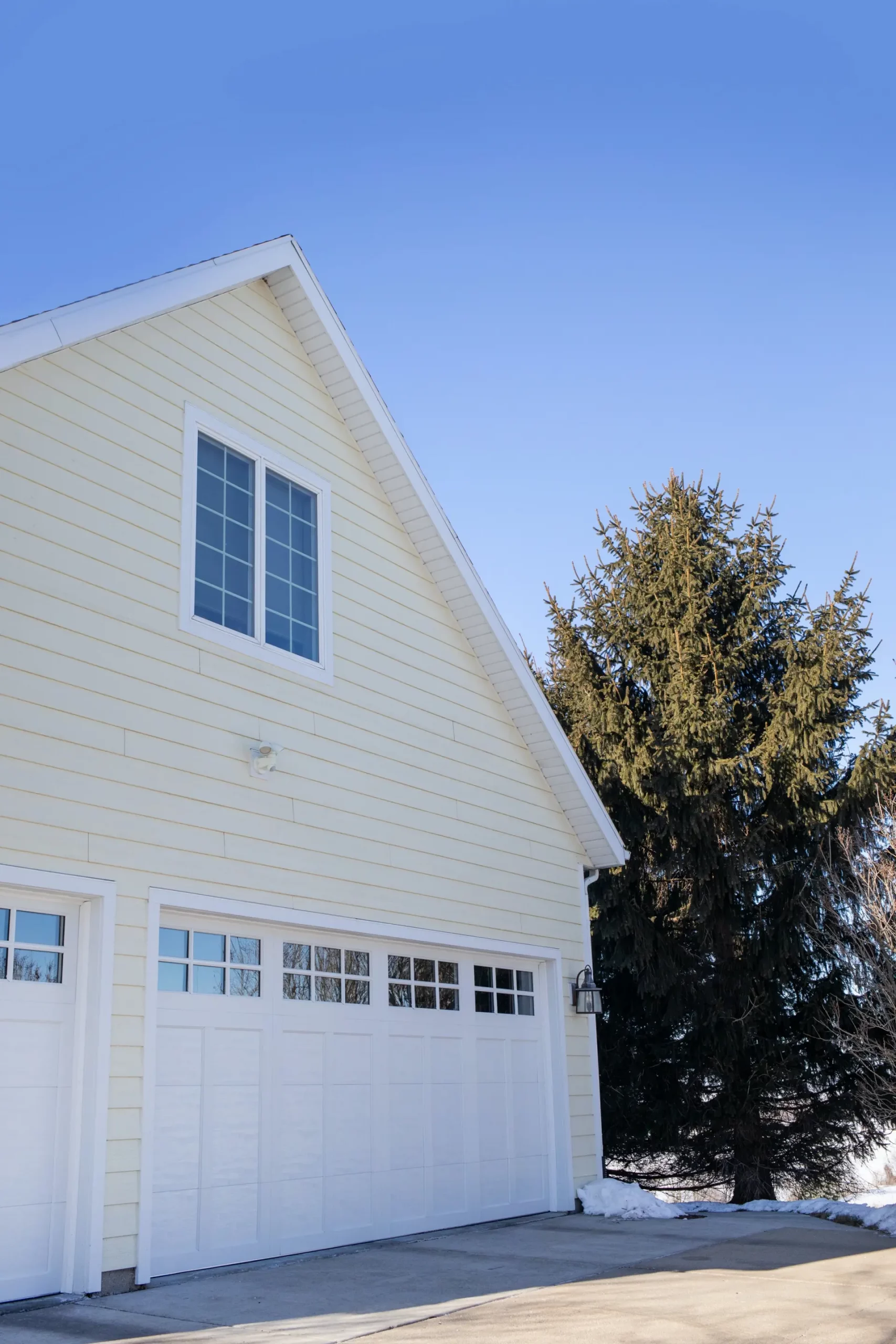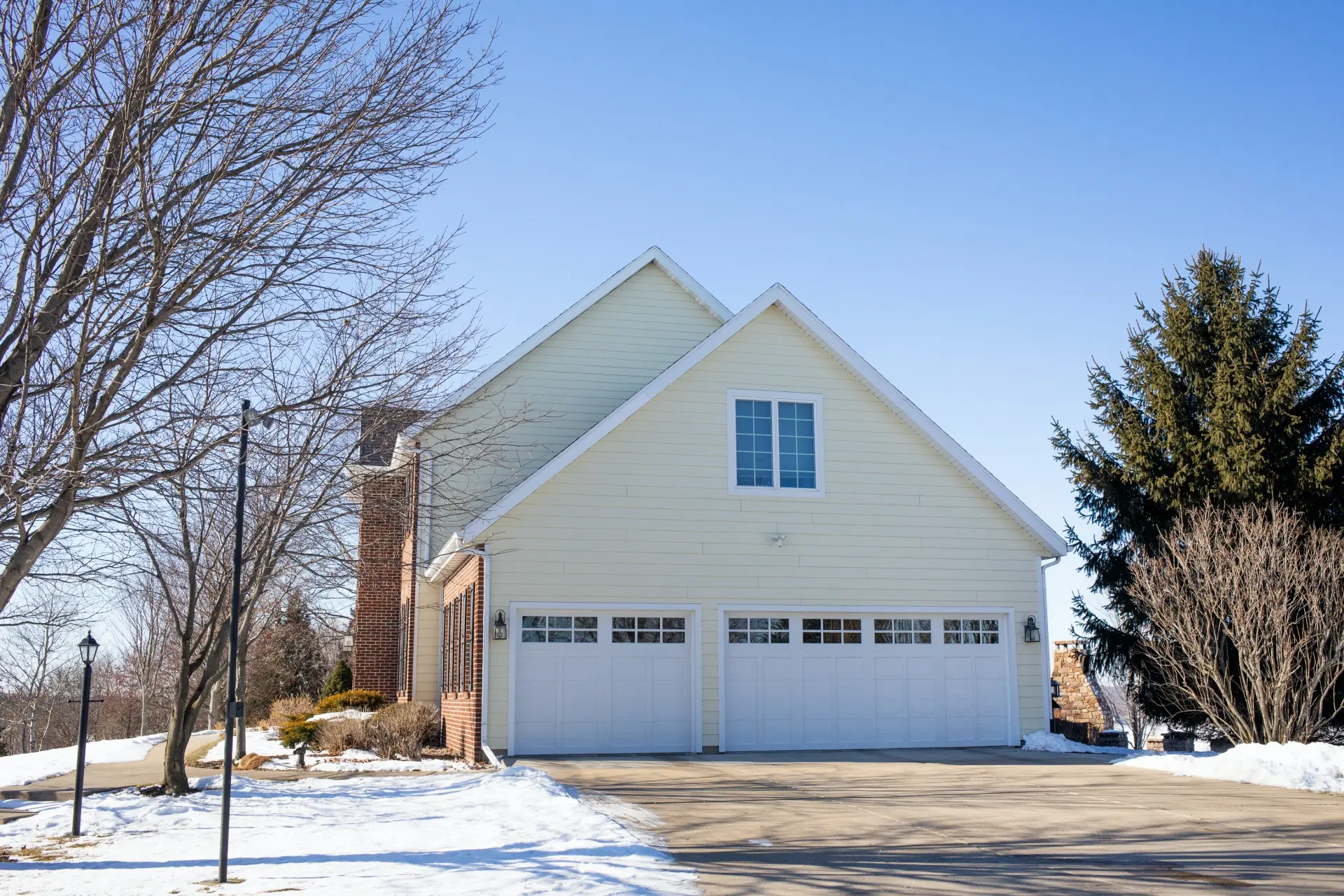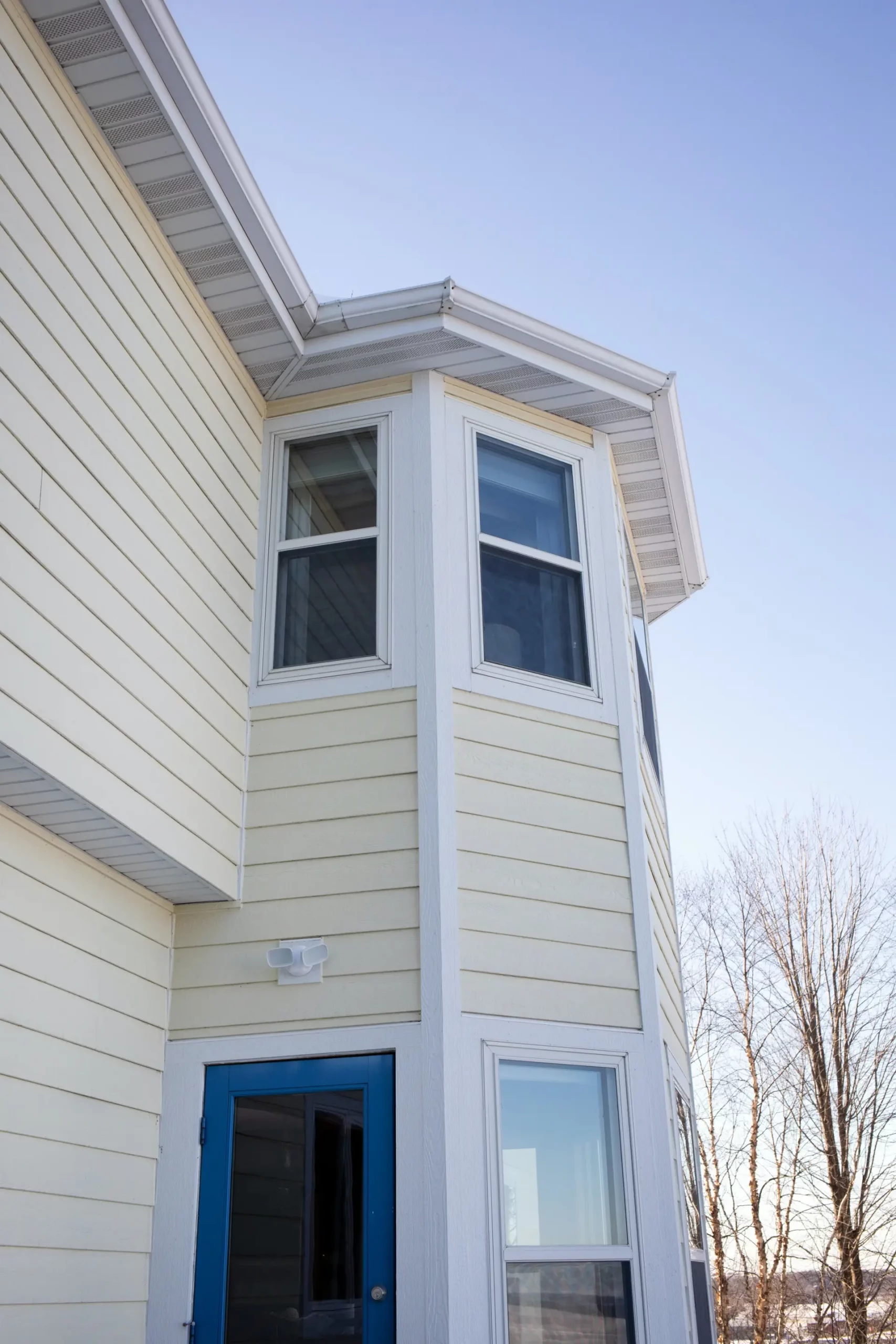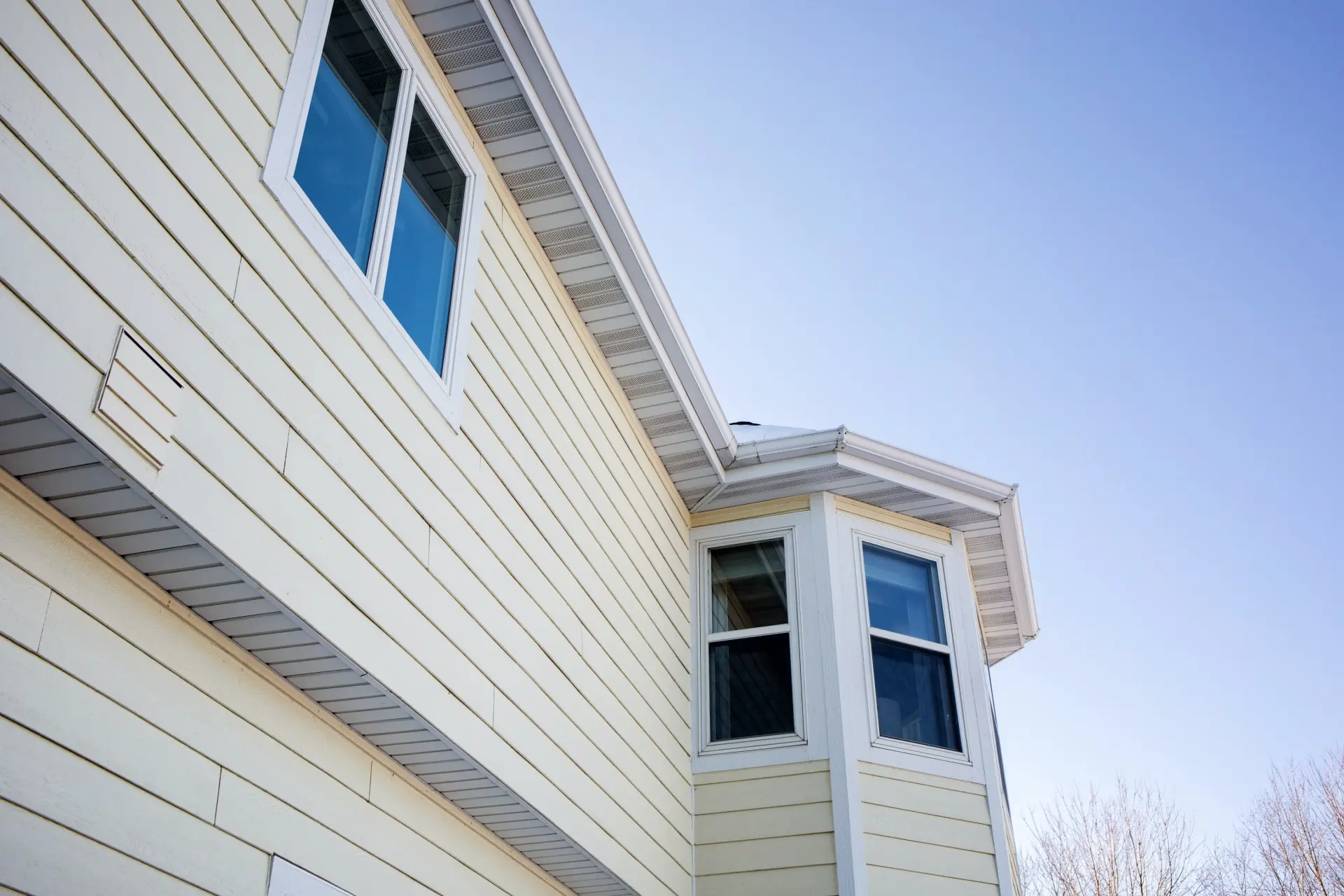
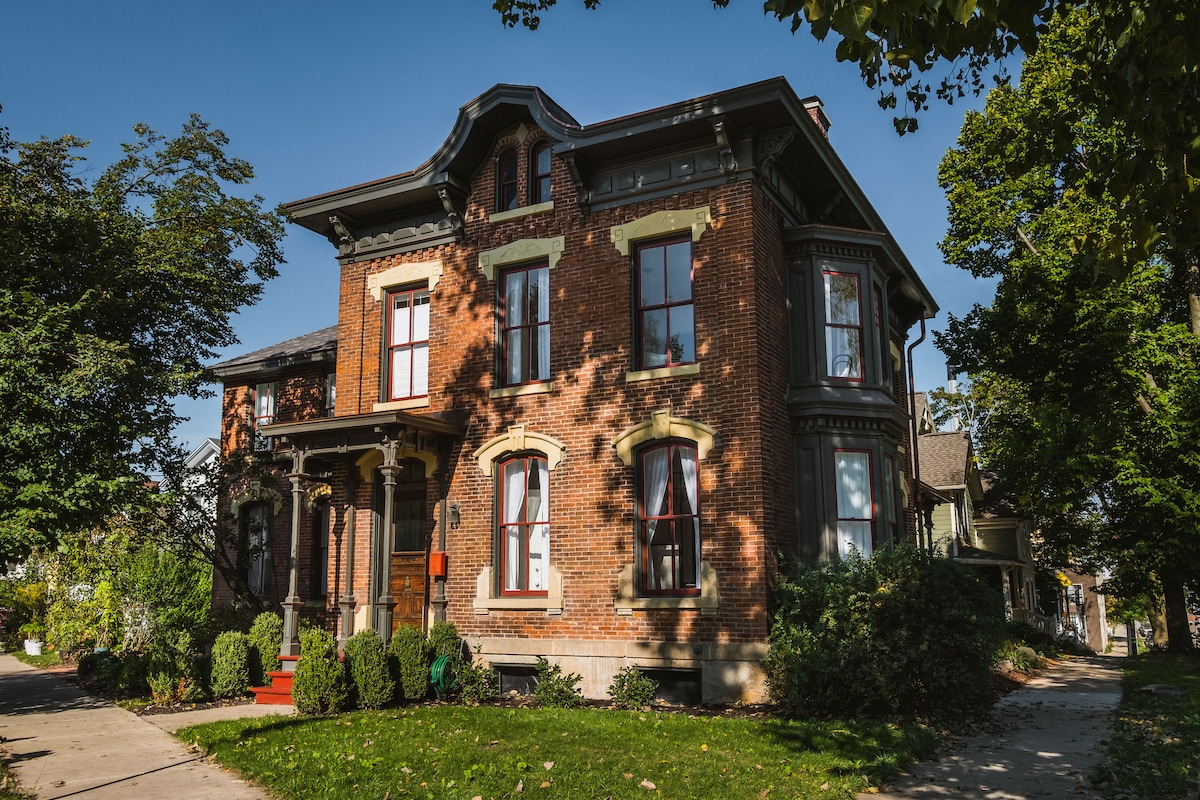
Historic homes are different. They were built with materials, methods, and craftsmanship standards that don’t exist in modern construction. Old-growth lumber. True dimensional framing. Plaster walls. Hardware that was meant to last a century. Renovating a historic home, whether it’s a 1920s craftsman bungalow, a 1940s colonial, or a Victorian farmhouse, requires a different kind of contractor than a new-build specialist.
AF Construction has experience working on older Madison-area homes, and we approach historic renovation with a clear philosophy: preserve what makes the home special, upgrade what makes it livable, and never sacrifice character for convenience.
Call 608-497-1194 to schedule a historic home consultation.
What Makes Historic Home Renovation Different
Materials and Construction
Older homes were often built with old-growth lumber. Denser, more stable, and more durable than the dimensional lumber milled today. True dimensional framing (a 2×4 was actually 2 inches by 4 inches before the 1960s standardization). Plaster walls with wood lath. Balloon framing instead of platform construction. Hardware that was meant to last a century. Understanding these materials and working with them rather than against them is essential to a successful historic renovation.
A contractor who treats a 1925 craftsman like a 2015 new-build will damage the home. A contractor who understands the original construction will preserve what’s worth keeping and update what isn’t.
Common Challenges in Historic Madison Homes
- Lead paint. Present in most homes built before 1978. We follow Wisconsin DNR and EPA RRP (Renovation, Repair, and Painting) guidelines for lead paint handling, containment, and disposal. EPA RRP certification is required for contractors performing renovation work in pre-1978 homes that disturbs paint.
- Knob-and-tube wiring. Common in pre-1940s homes. Renovation typically involves coordinating with licensed electricians for safe updates and replacement. Insurance carriers in Wisconsin increasingly require knob-and-tube replacement before issuing or renewing homeowner policies.
- Galvanized supply plumbing. Common in homes built between 1920 and 1960. Galvanized pipe corrodes from the inside out, restricting water flow over decades. Renovation often presents the right opportunity to replace.
- Non-standard dimensions. Doors, windows, ceilings, and room proportions often don’t match modern standard sizes. Custom millwork, custom doors, and modified standard products are often required. Off-the-shelf approaches don’t work.
- Structural considerations. Balloon framing, settled foundations, and decades of previous repairs (some good, some bad) require careful assessment before any renovation work begins. We’ve found cracked joists, sistered beams from the 1970s that don’t meet current code, and load paths that were never updated when previous owners moved walls.
- Moisture and weatherproofing. Older homes were not built with modern vapor barriers or insulation standards. Renovation is an opportunity to address moisture management properly while preserving the breathable wall assemblies that older homes were designed around.
- Original windows. Often debated. Original wood windows in good condition can frequently be restored to better thermal performance than expected, particularly with storm windows added. Replacement is sometimes the right call but not always.
The Permit Process for Historic Madison Properties
Historic home renovation in Madison and Dane County may involve additional permit considerations depending on whether your property is in a Madison historic district or on the National Register of Historic Places. Madison has several local historic districts (including Mansion Hill, First Settlement, Third Lake Ridge, Marquette, University Heights, and others) where exterior changes are subject to review by the Madison Landmarks Commission. Interior renovations are typically not subject to historic preservation review.
We assess the permit requirements for your specific property and project during the consultation. If your home is in a historic district, we coordinate with the Landmarks Commission on any exterior work that requires their review.
Our Approach: The Keep vs. Replace Decision
Every historic renovation involves dozens of keep-or-replace decisions. Our default position is preserve unless there’s a specific reason to replace.
Usually worth keeping:
- Solid wood doors and original trim
- Original hardwood floors (often refinishable even when they look beyond saving)
- Period-appropriate hardware (hinges, knobs, locks, escutcheons)
- Original windows in good condition
- Original plaster (when intact and crack-free)
- Built-in cabinetry, bookshelves, and architectural detail that defines the character of the home
- Brick chimneys and original masonry
- Pocket doors and their hardware
Usually worth upgrading:
- Insulation (most pre-1970 homes have minimal or no wall insulation)
- HVAC systems
- Plumbing (galvanized supply, cast iron drain in deteriorated condition)
- Electrical systems (knob-and-tube, undersized panels, insufficient circuits)
- Kitchens and bathrooms where function has significantly degraded
- Roofing and gutters (functional, not decorative)
Assess case-by-case:
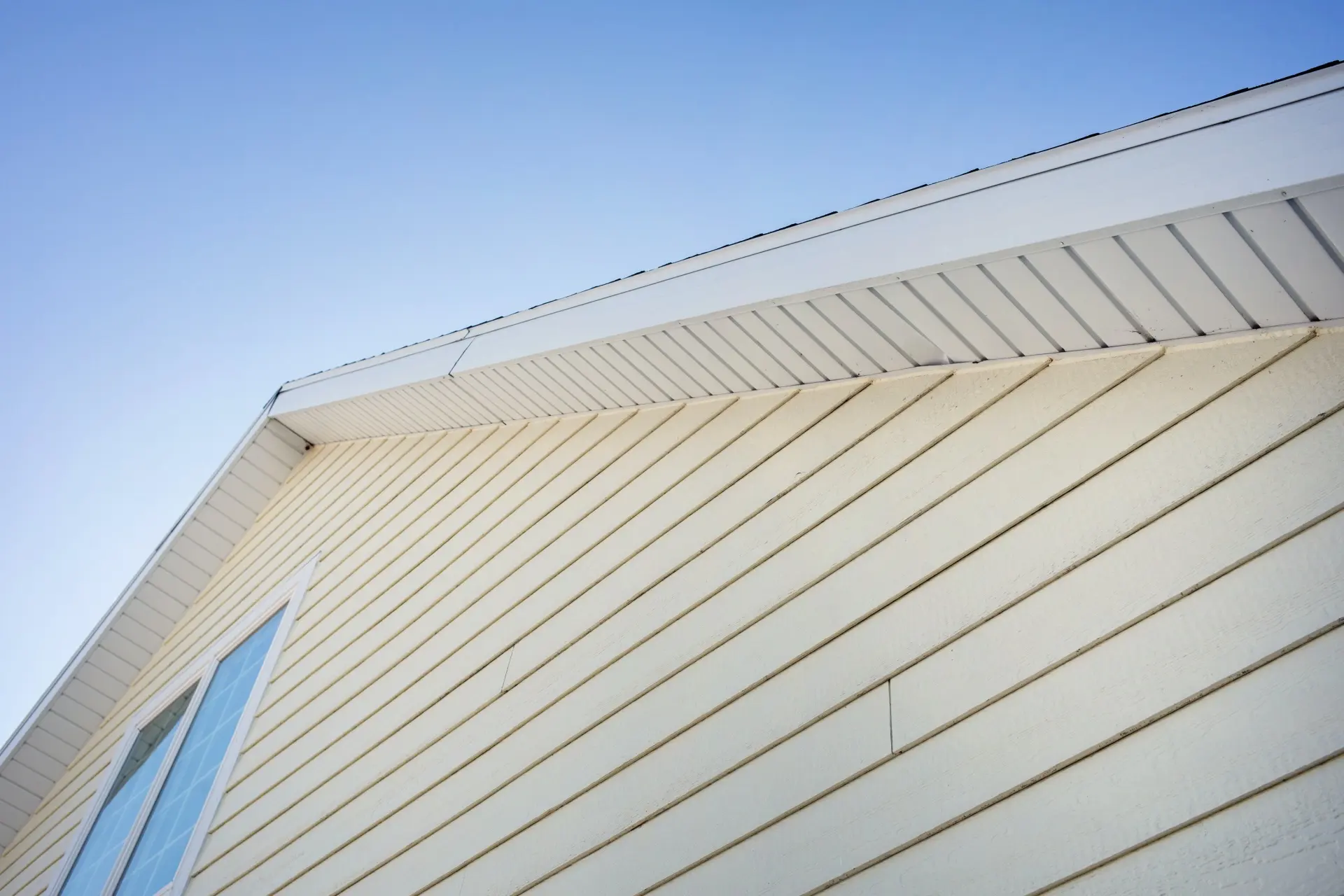
- Original siding (cedar shake, wood clapboard often worth keeping; aluminum or vinyl from 1960s-80s often worth replacing)
- Original roofing materials
- Structural elements (sometimes preserved with reinforcement, sometimes replaced)
- Original tile work (kitchens and bathrooms vary widely)
We don’t make these recommendations lightly. We discuss every major decision with you before any work begins.
Historic Renovation Services
- Full home historic renovation. Comprehensive update while preserving character.
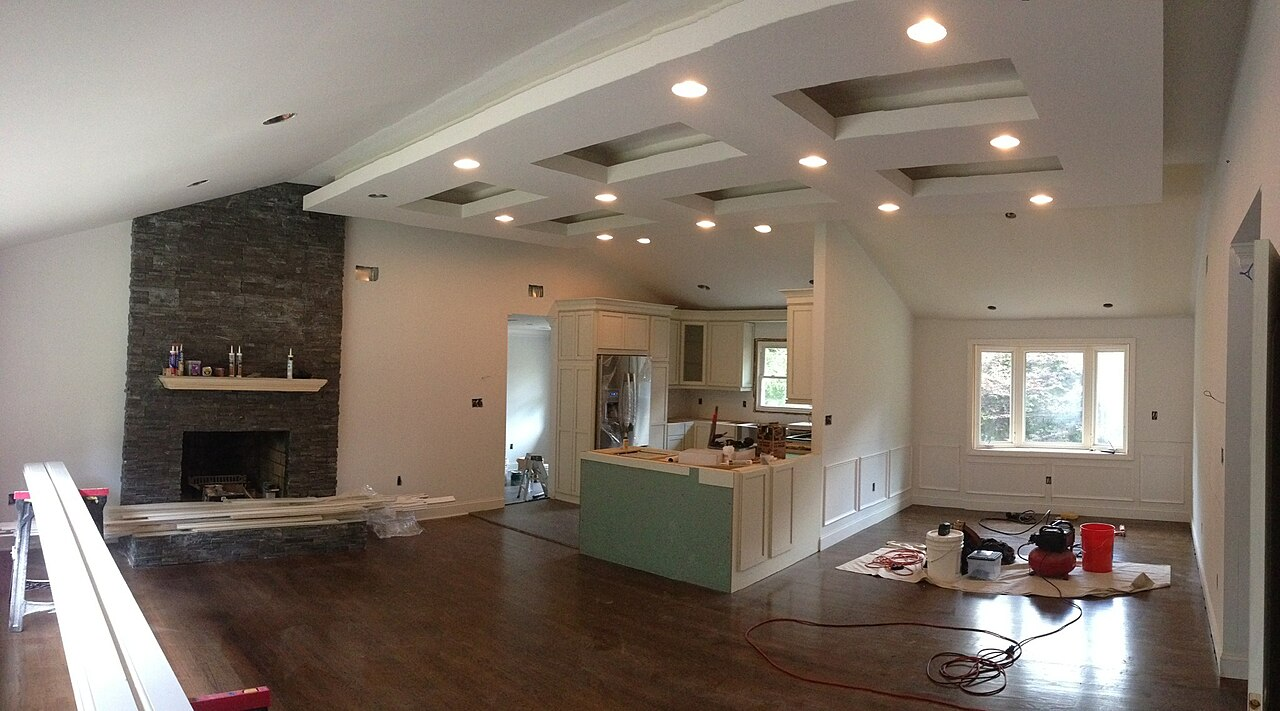
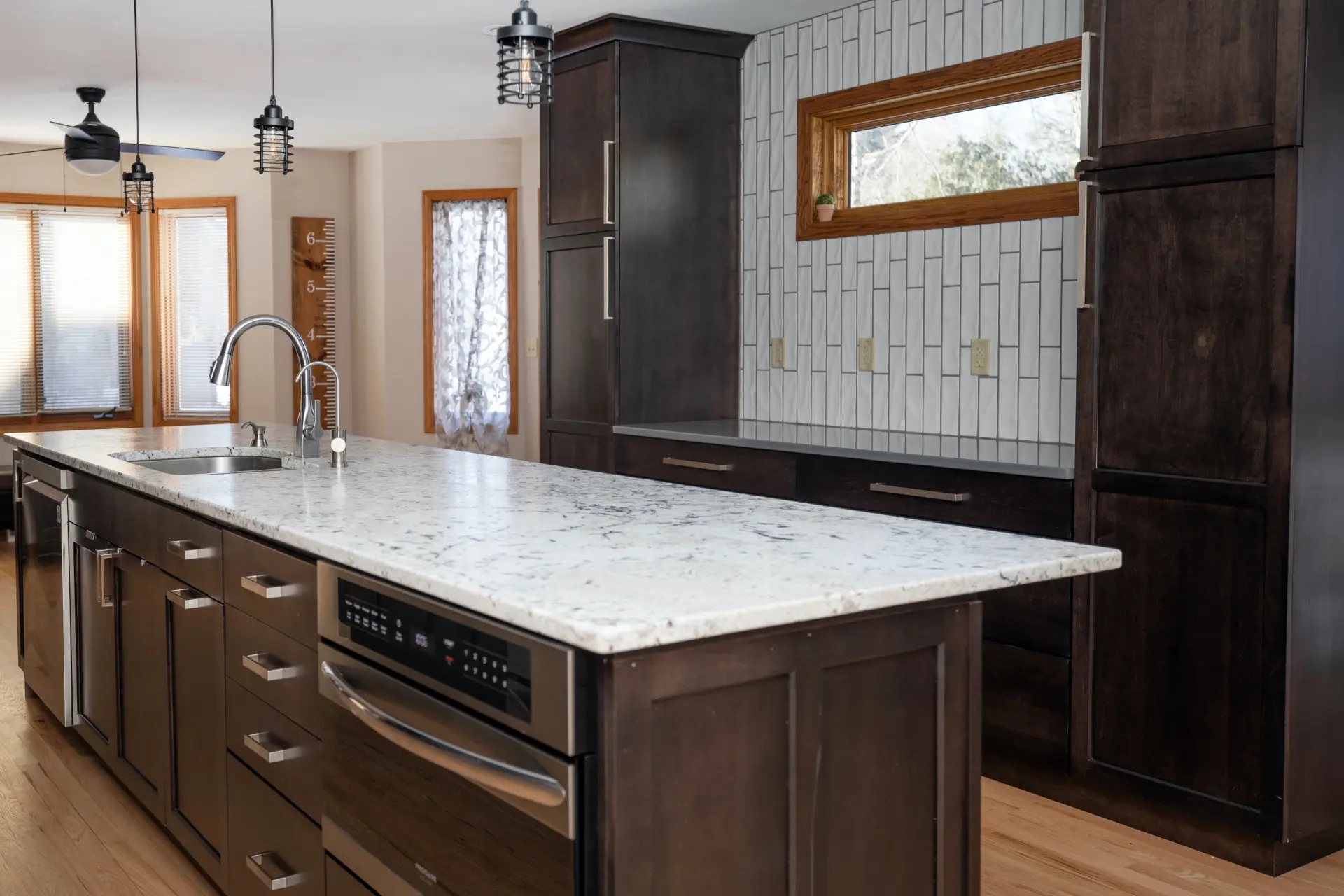
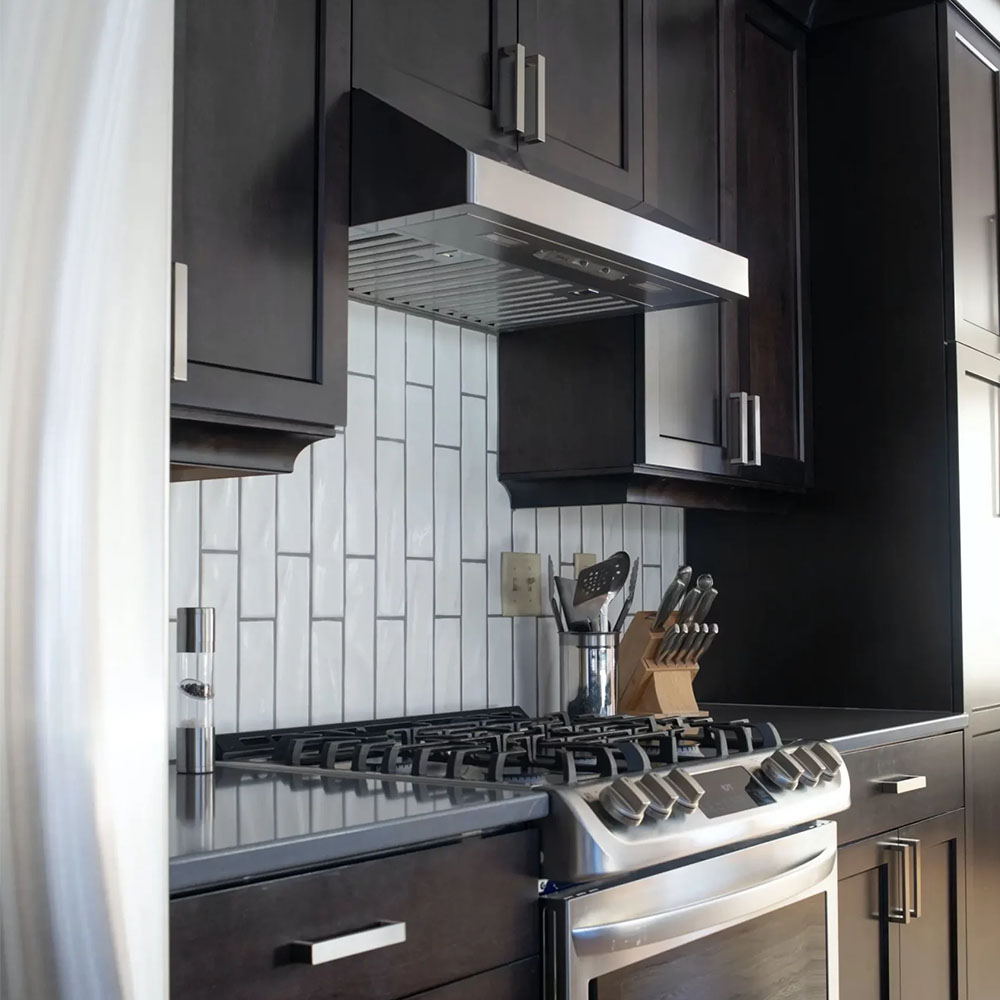
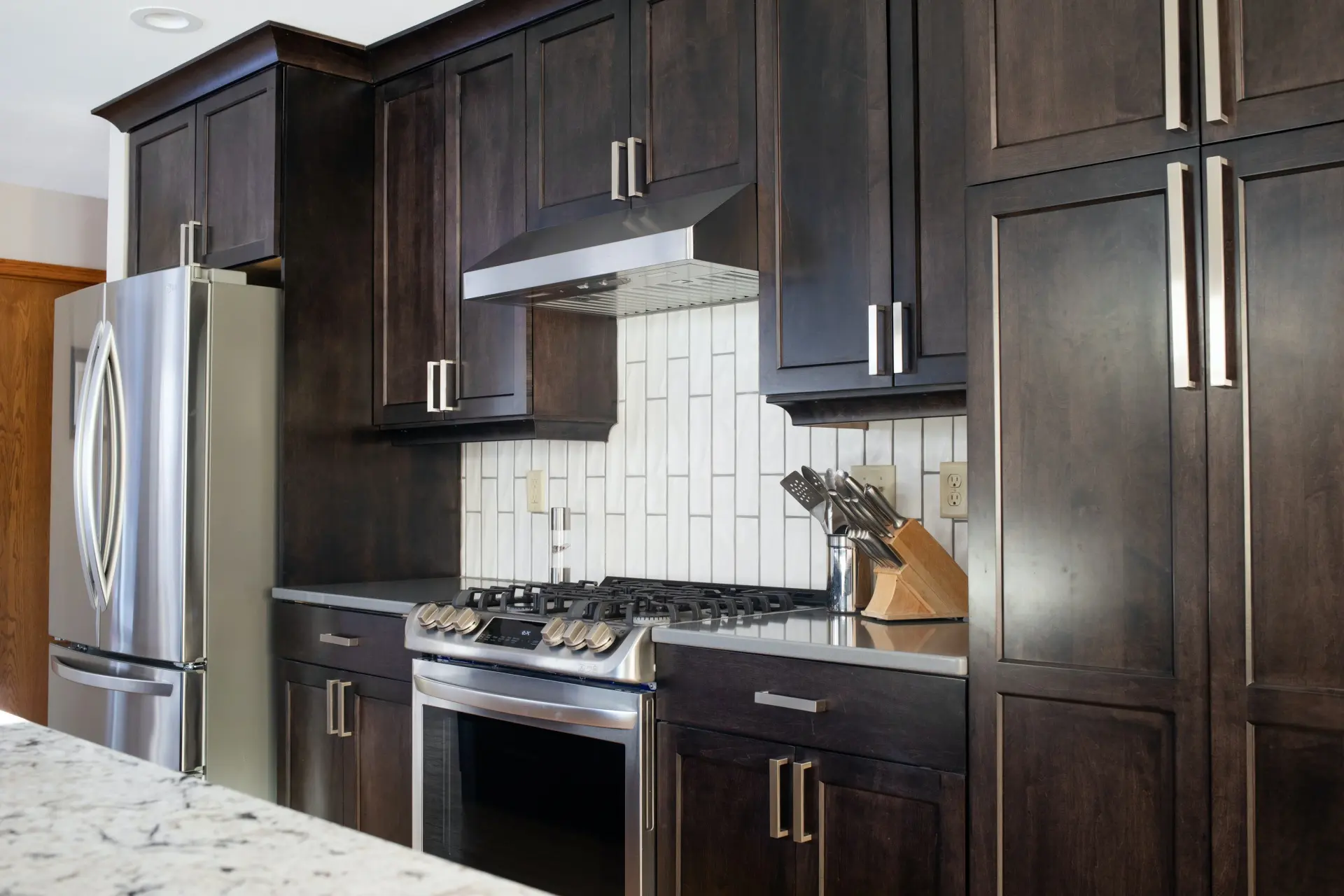
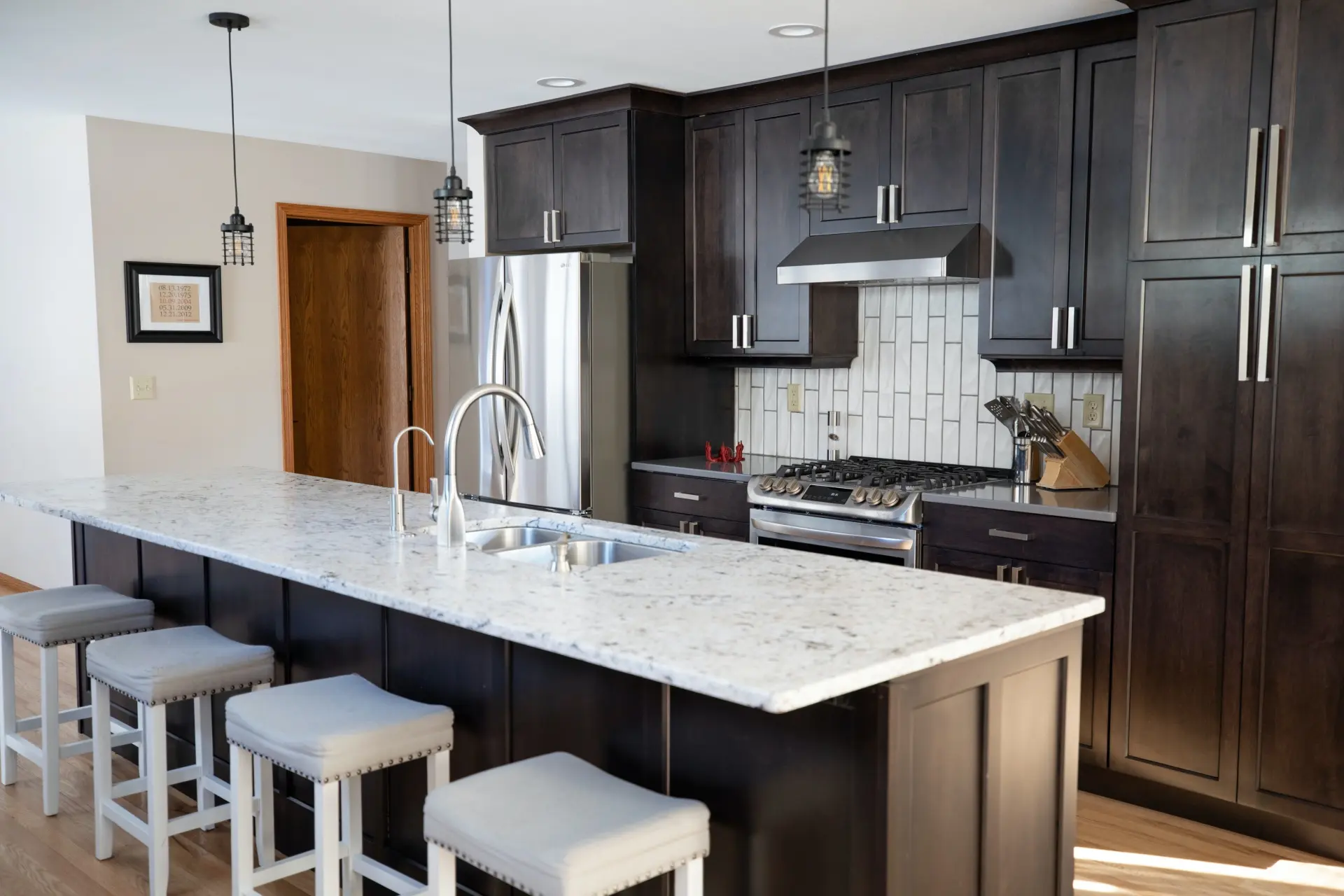
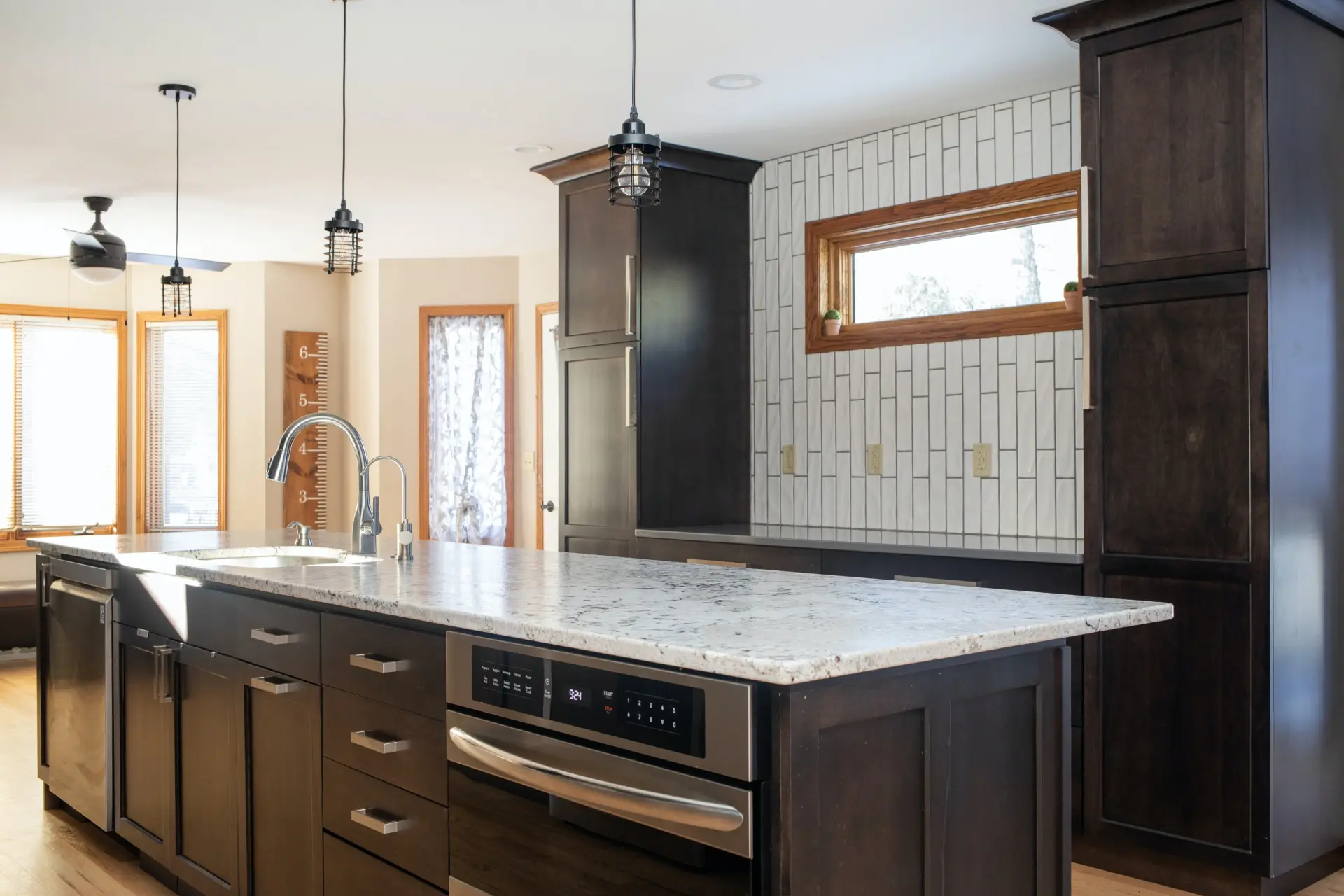
- Historic kitchen renovation. Modern function with period-appropriate aesthetics. Often the most complex room in a historic renovation because of the gap between historic kitchen function and modern kitchen expectations.
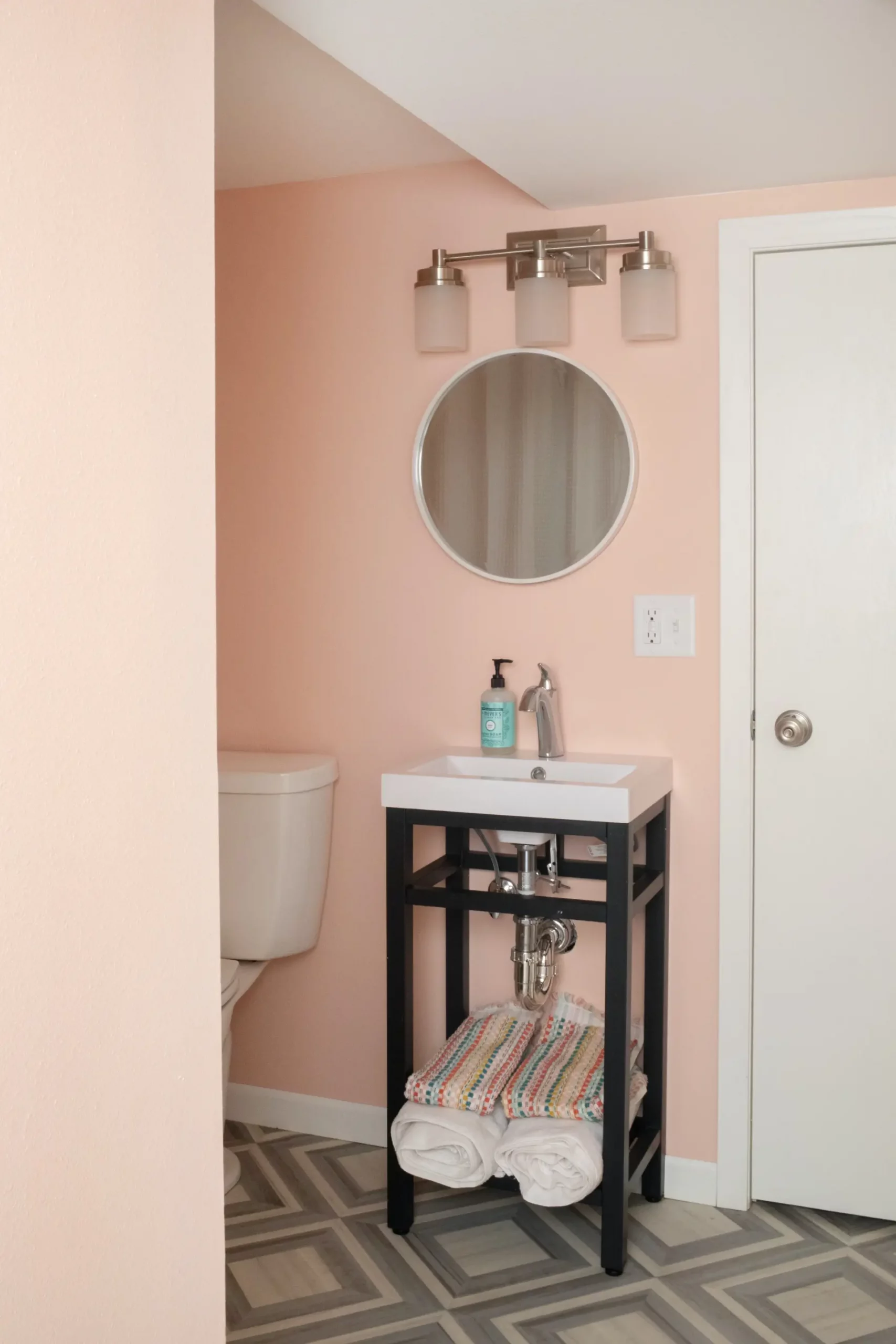
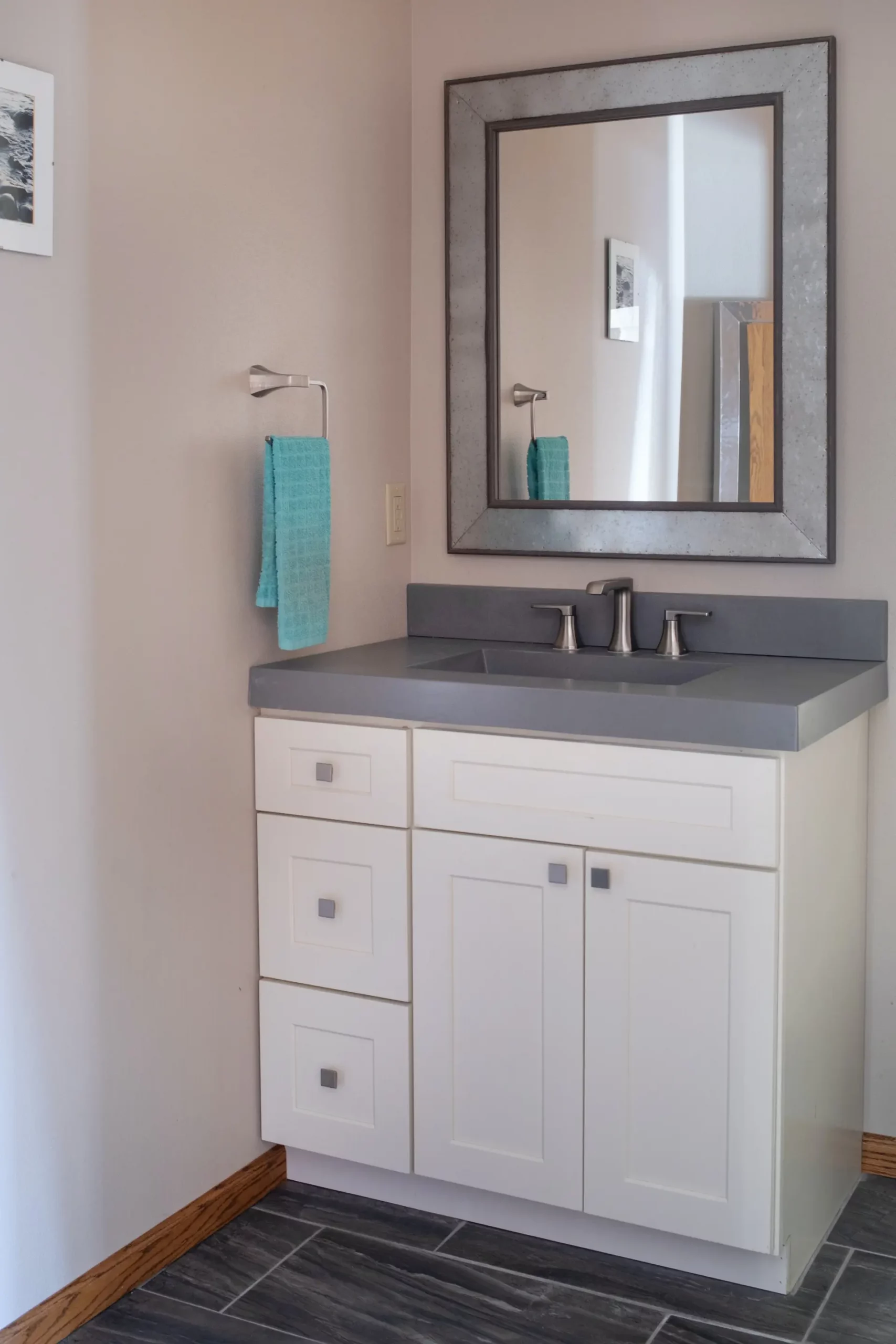
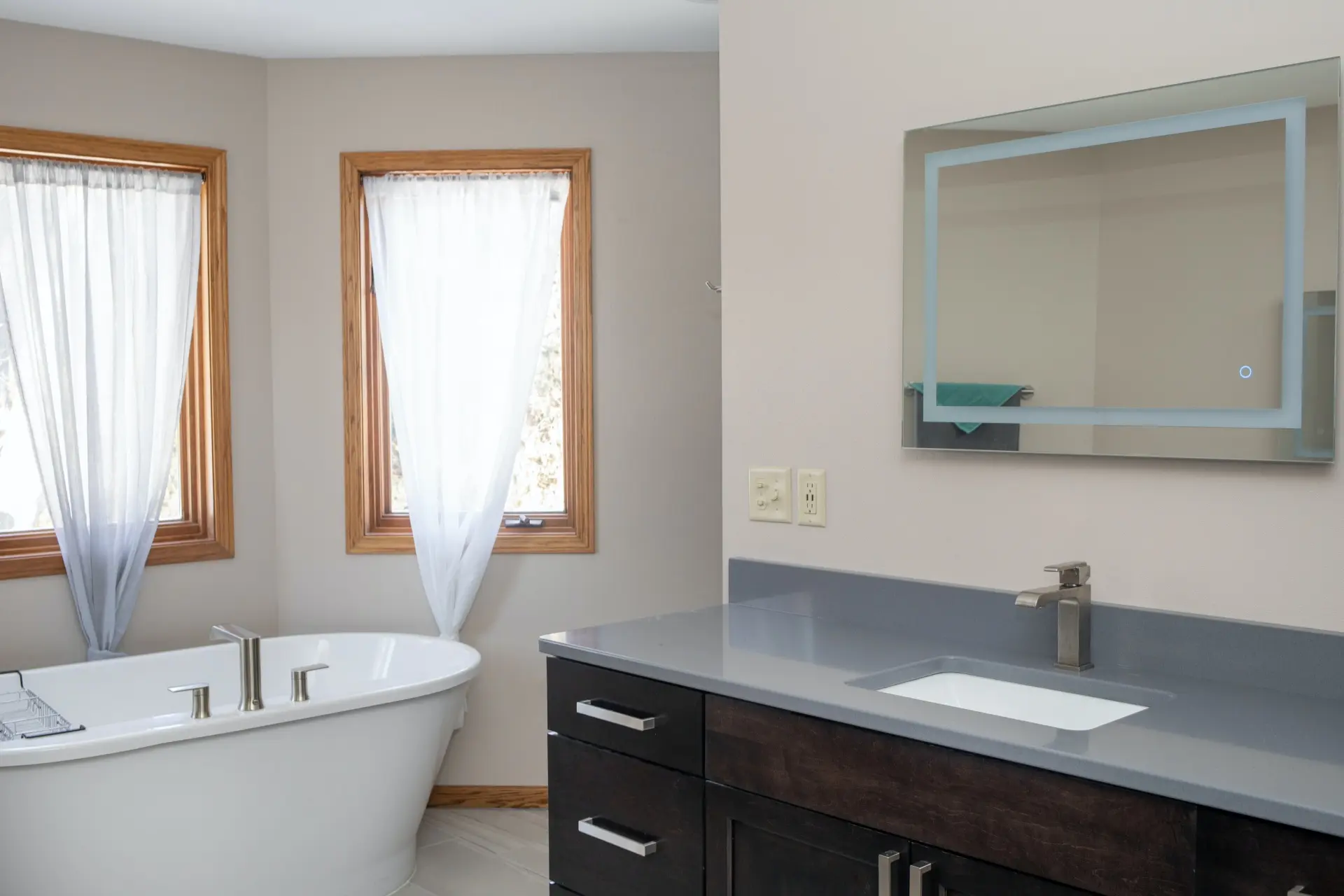
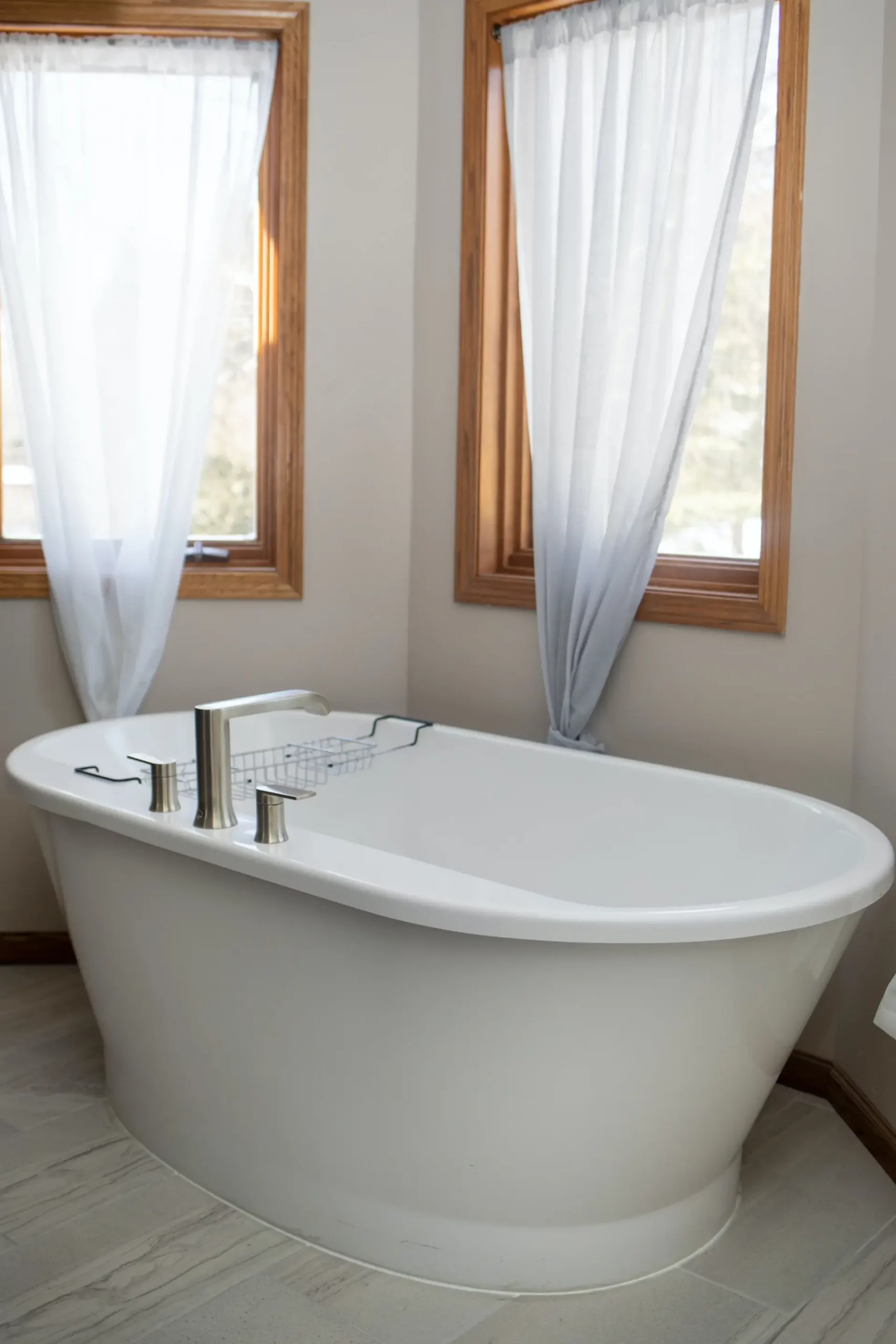
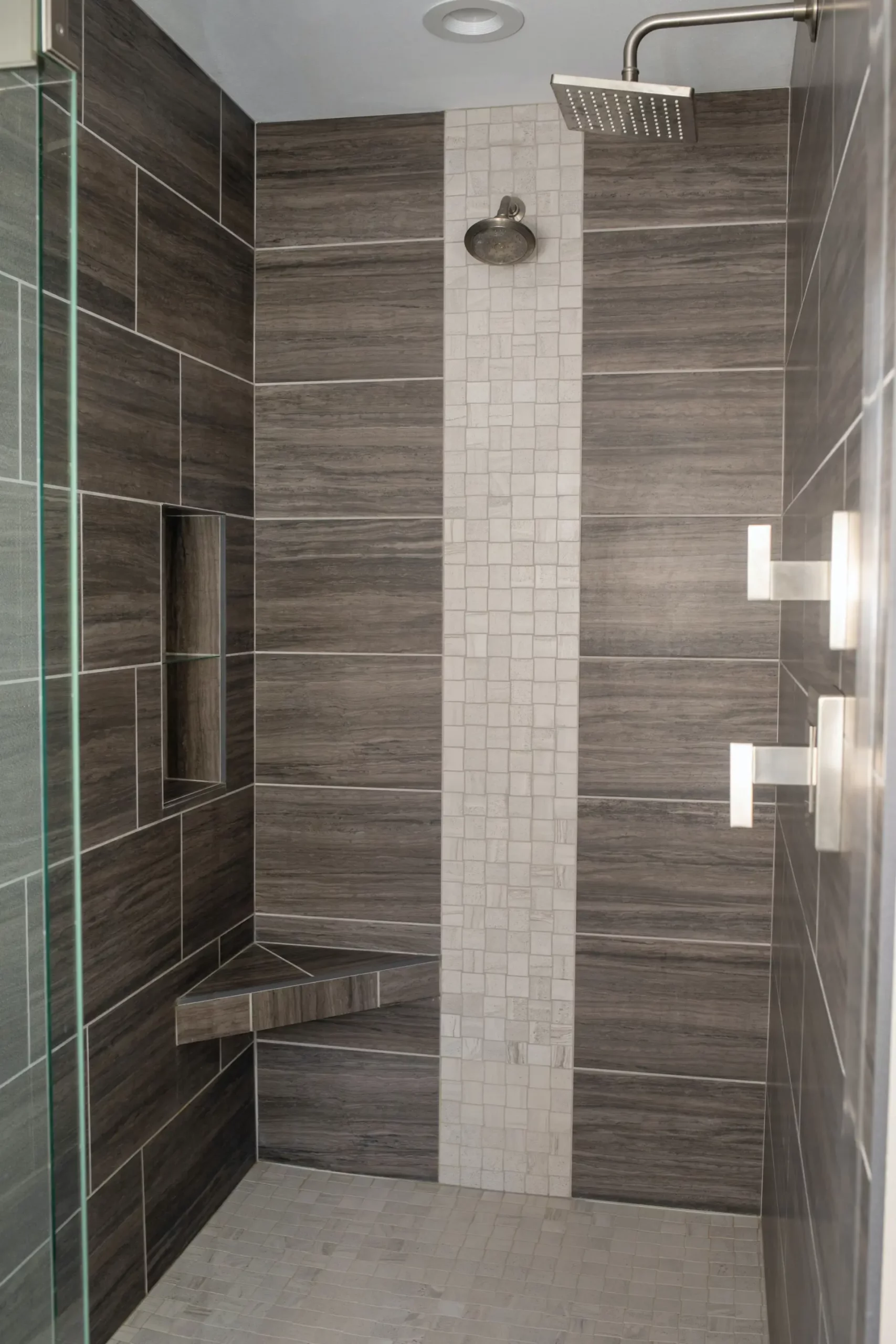
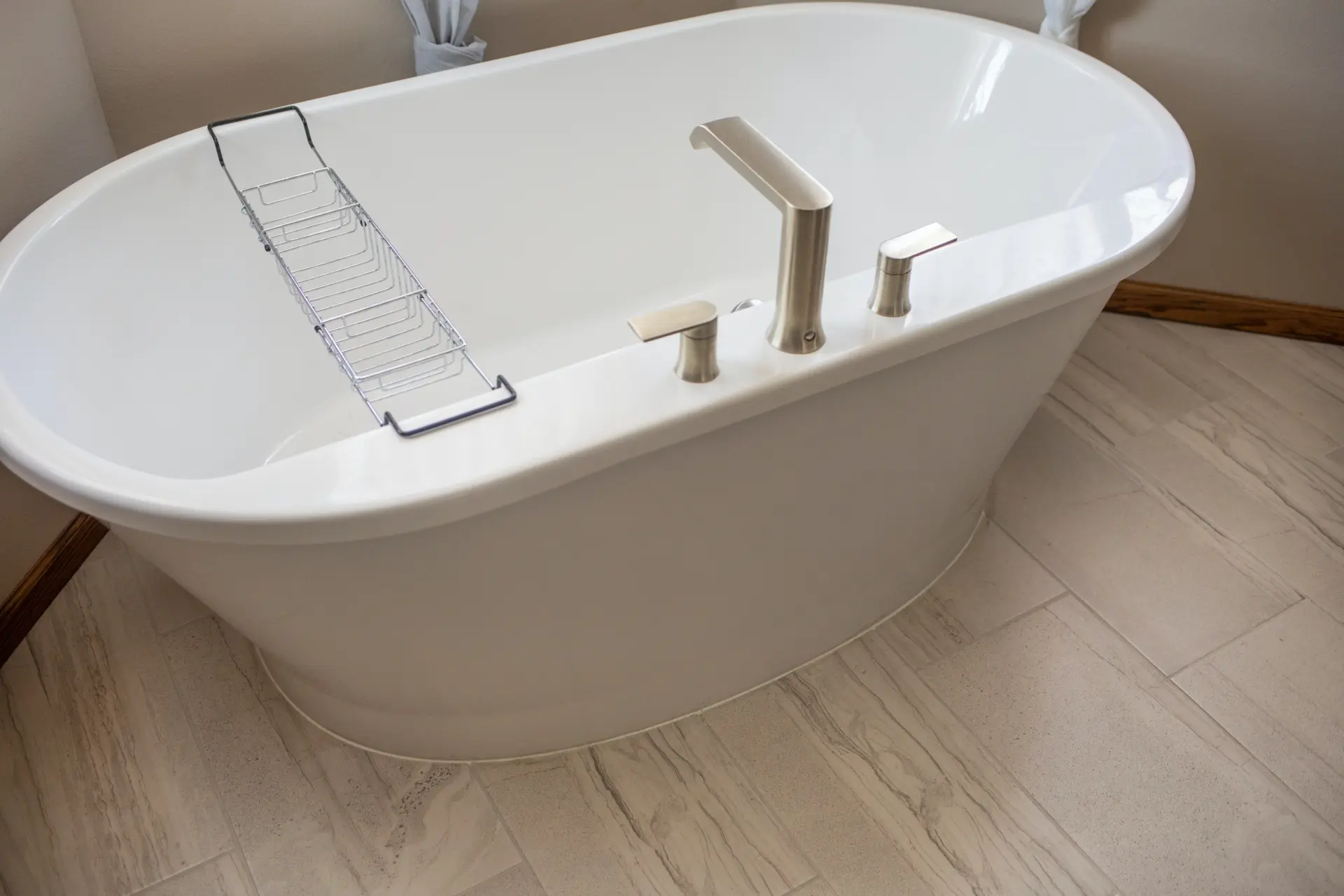
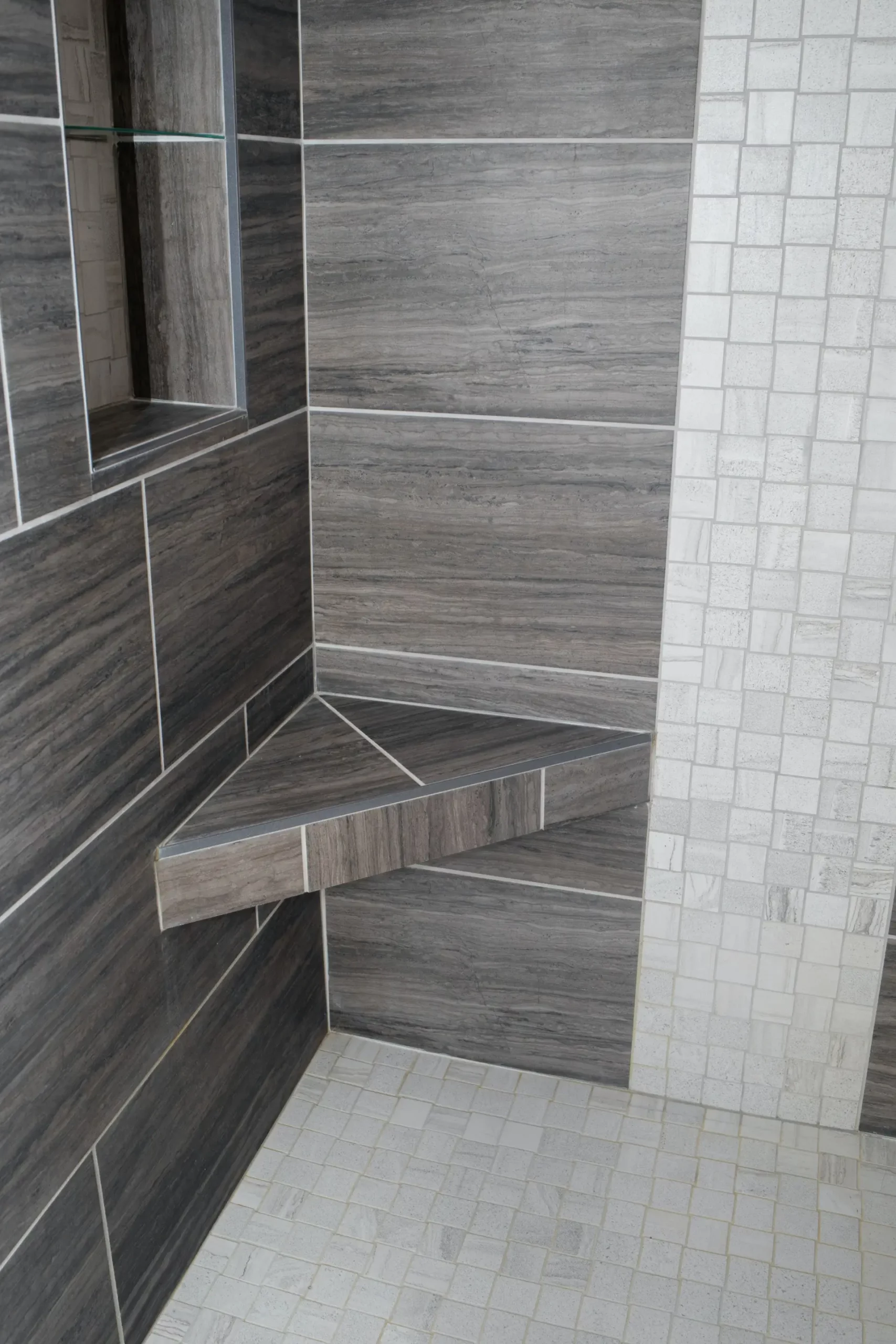
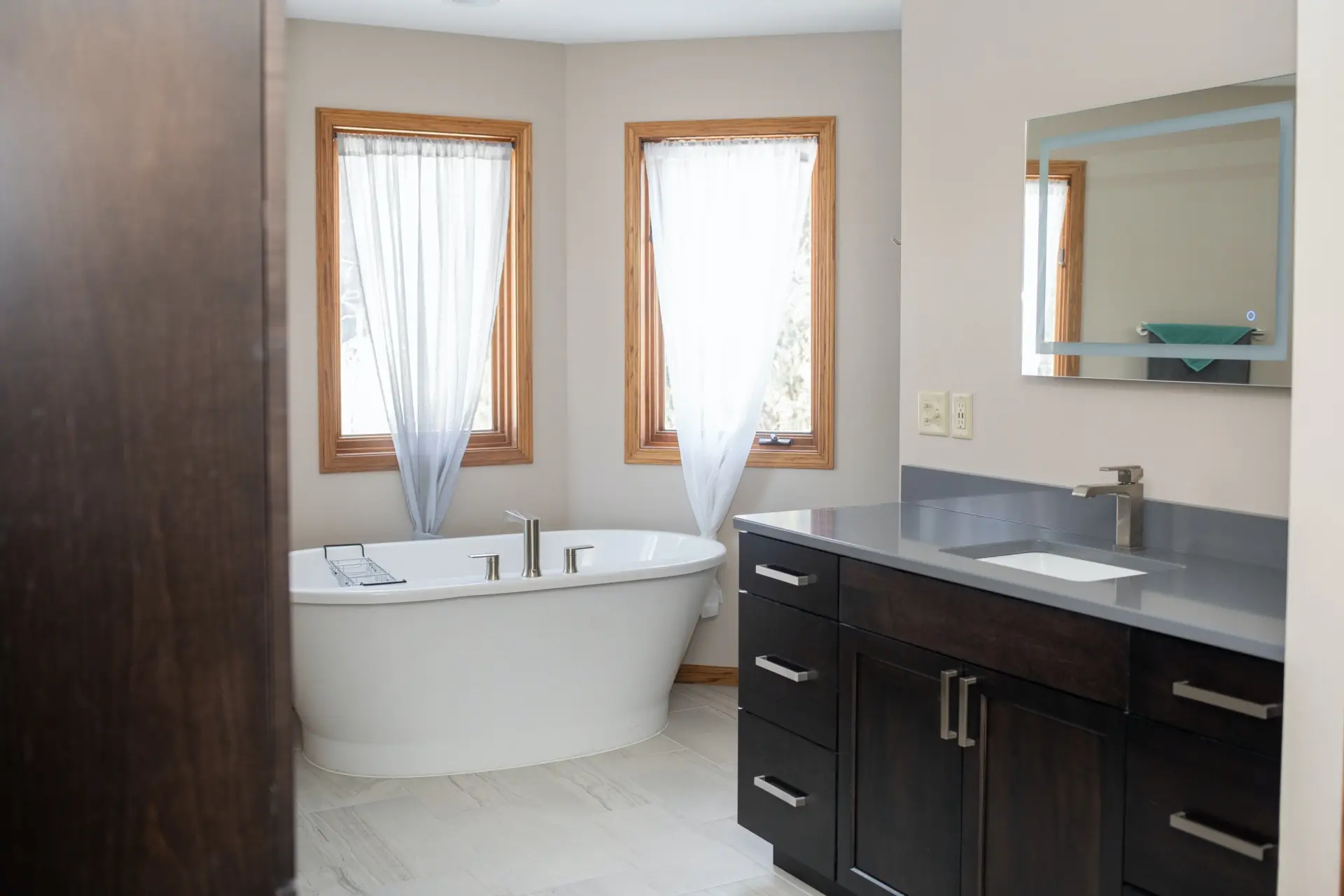
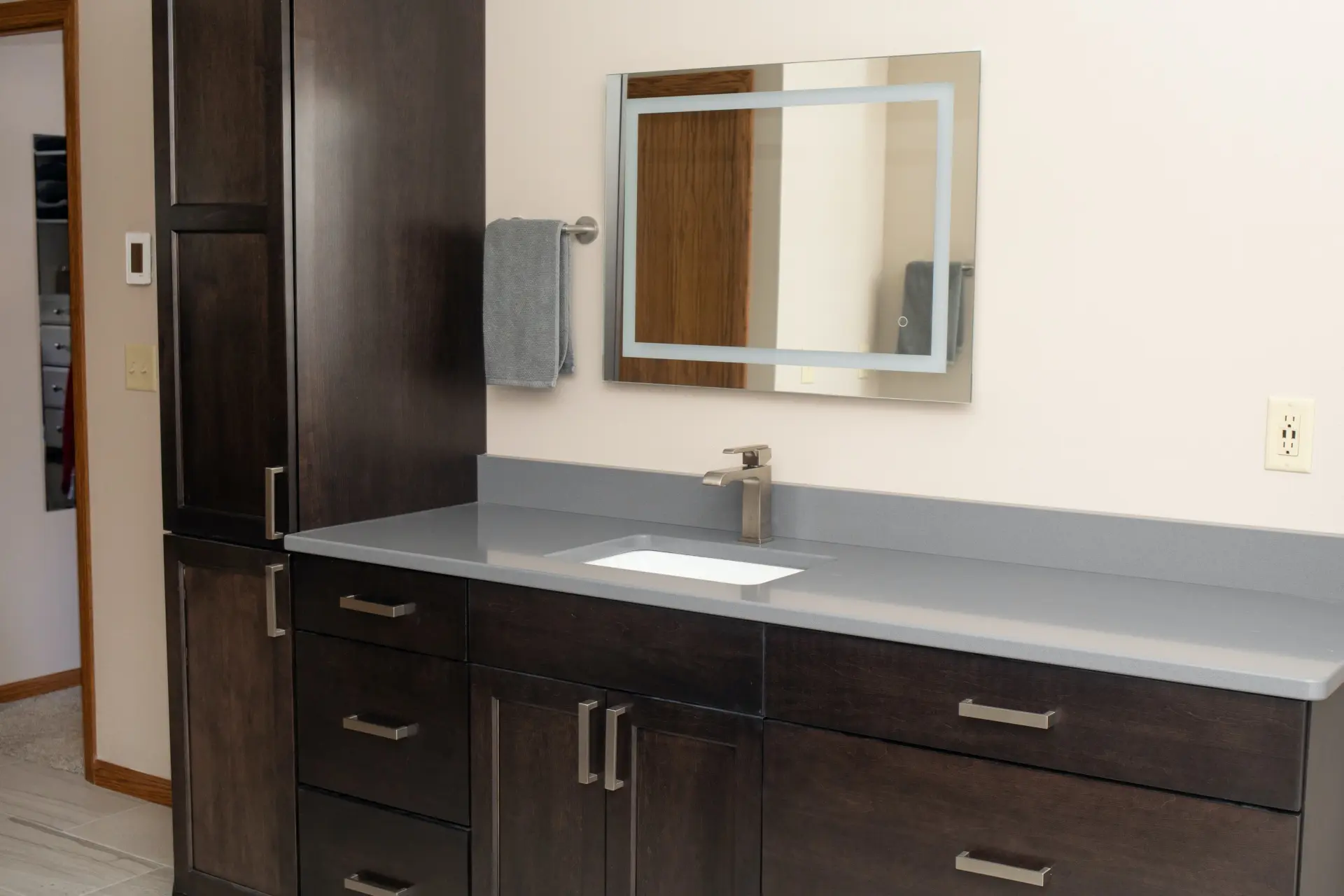
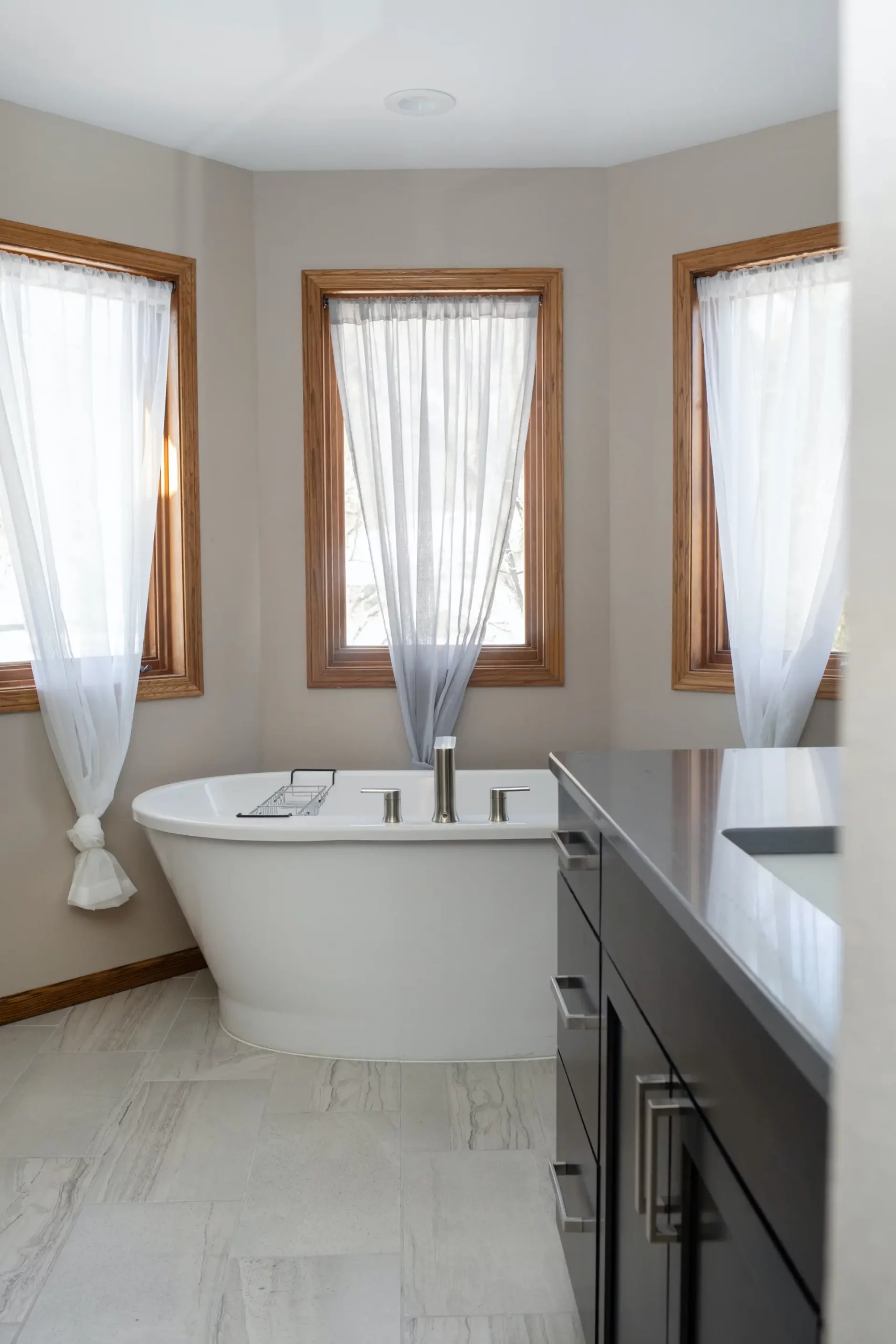
- Historic bathroom renovation. Updated plumbing and fixtures that complement original style. Salvage of original tile, fixtures, or millwork where possible.
- Lead paint handling. EPA RRP-certified renovation, including testing, containment, and proper disposal.
- Window restoration and replacement. Restoration of original windows or selective replacement when restoration is not viable.
- Period-appropriate millwork and trim. Custom matching of original profiles when patches or extensions are needed.
- Structural assessment and repair. Balloon framing, settled foundations, deteriorated sills, joist repair.
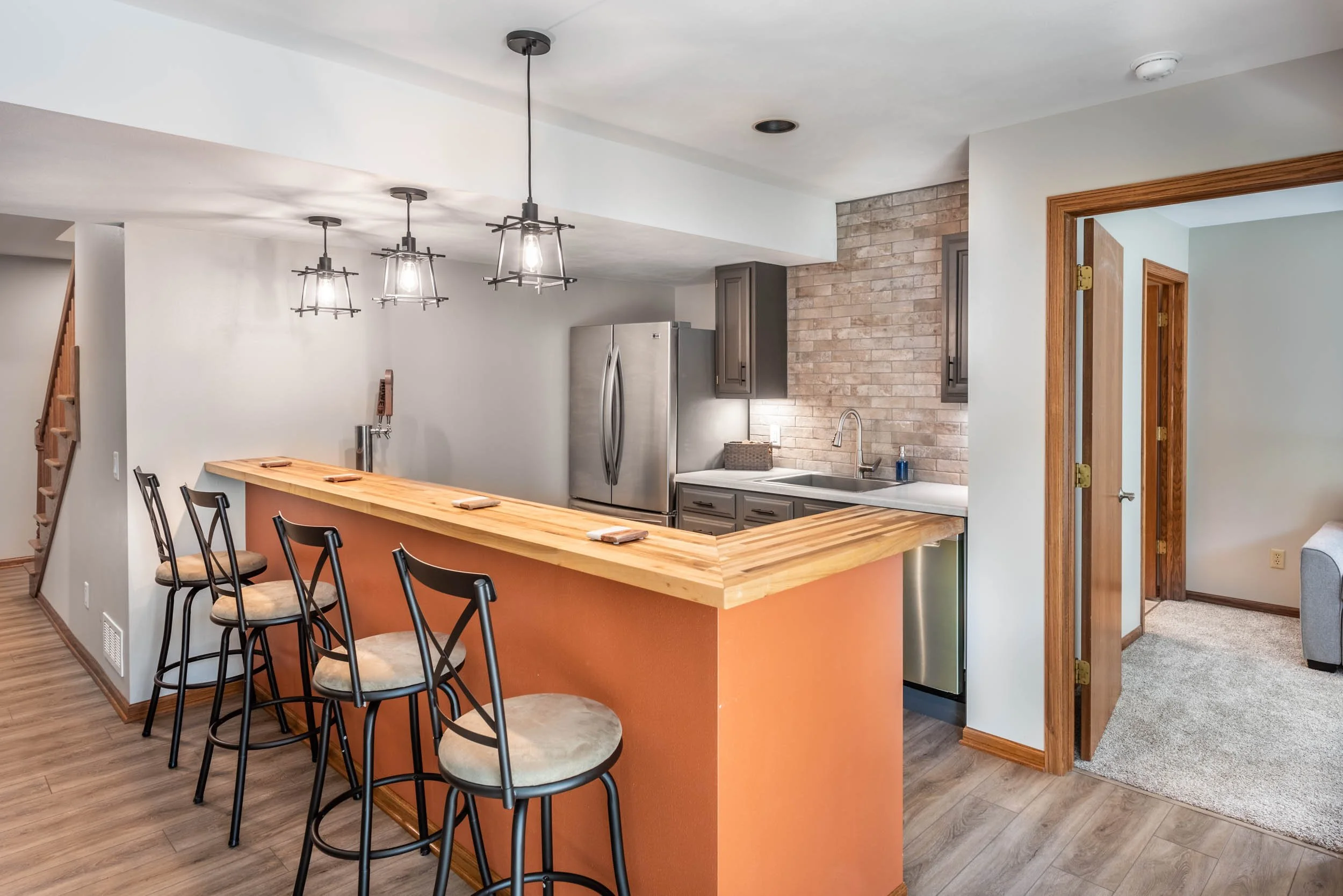
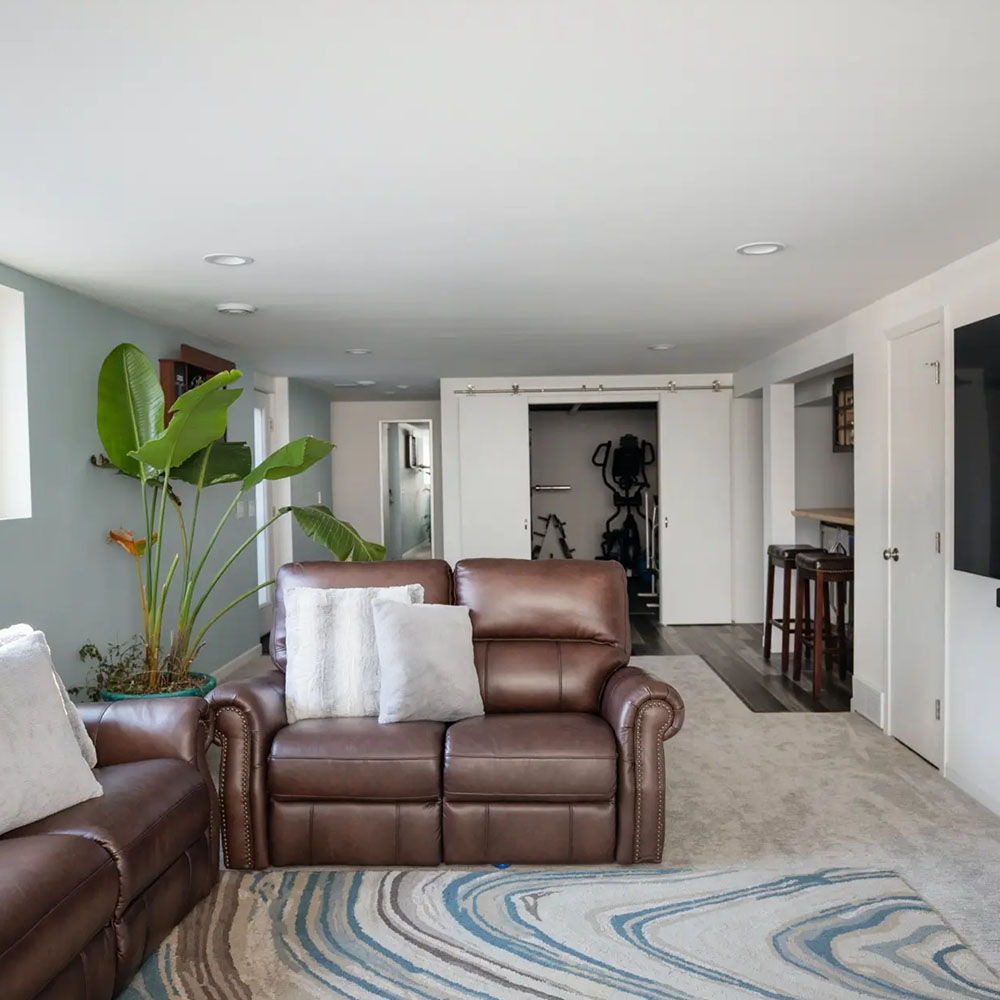
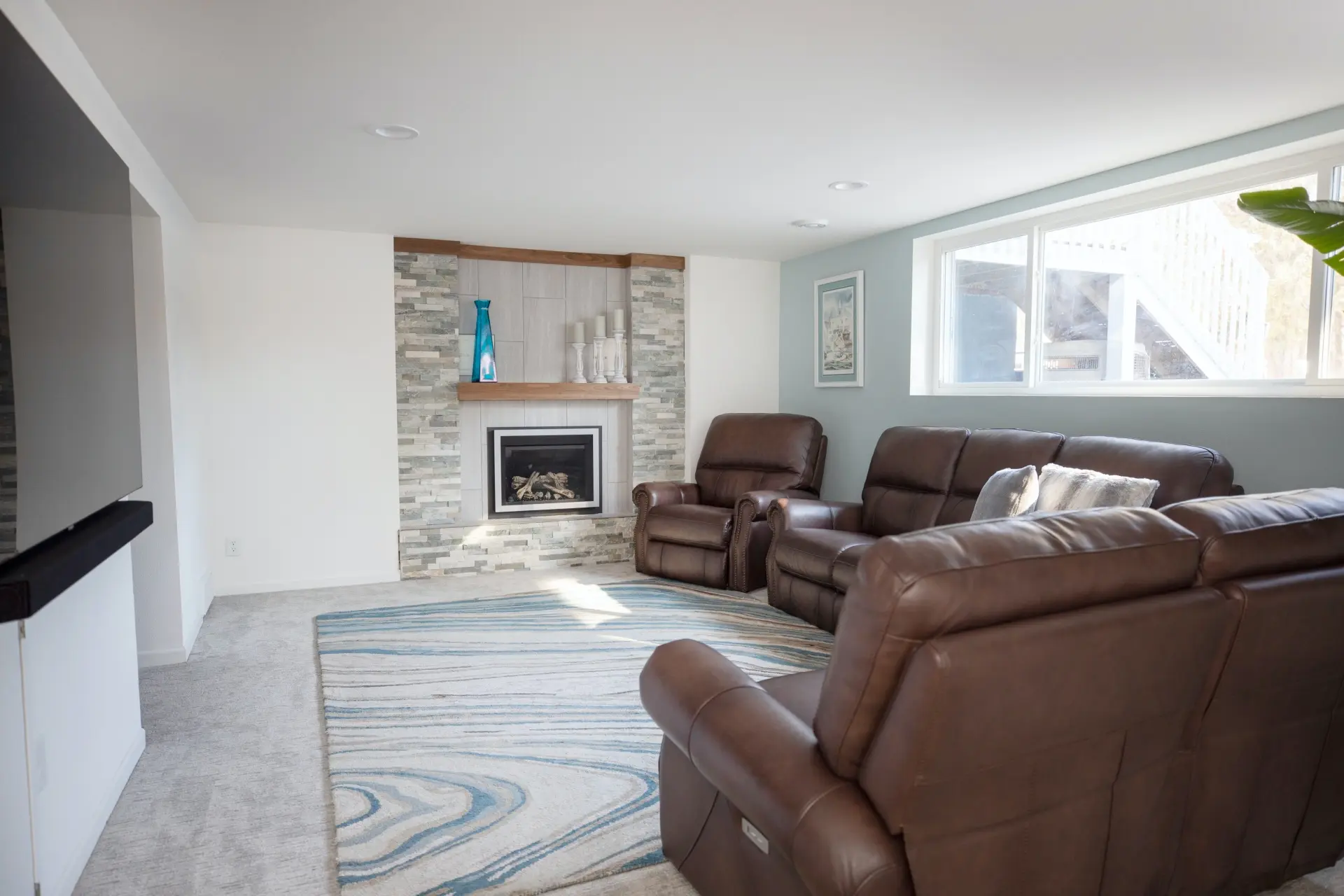
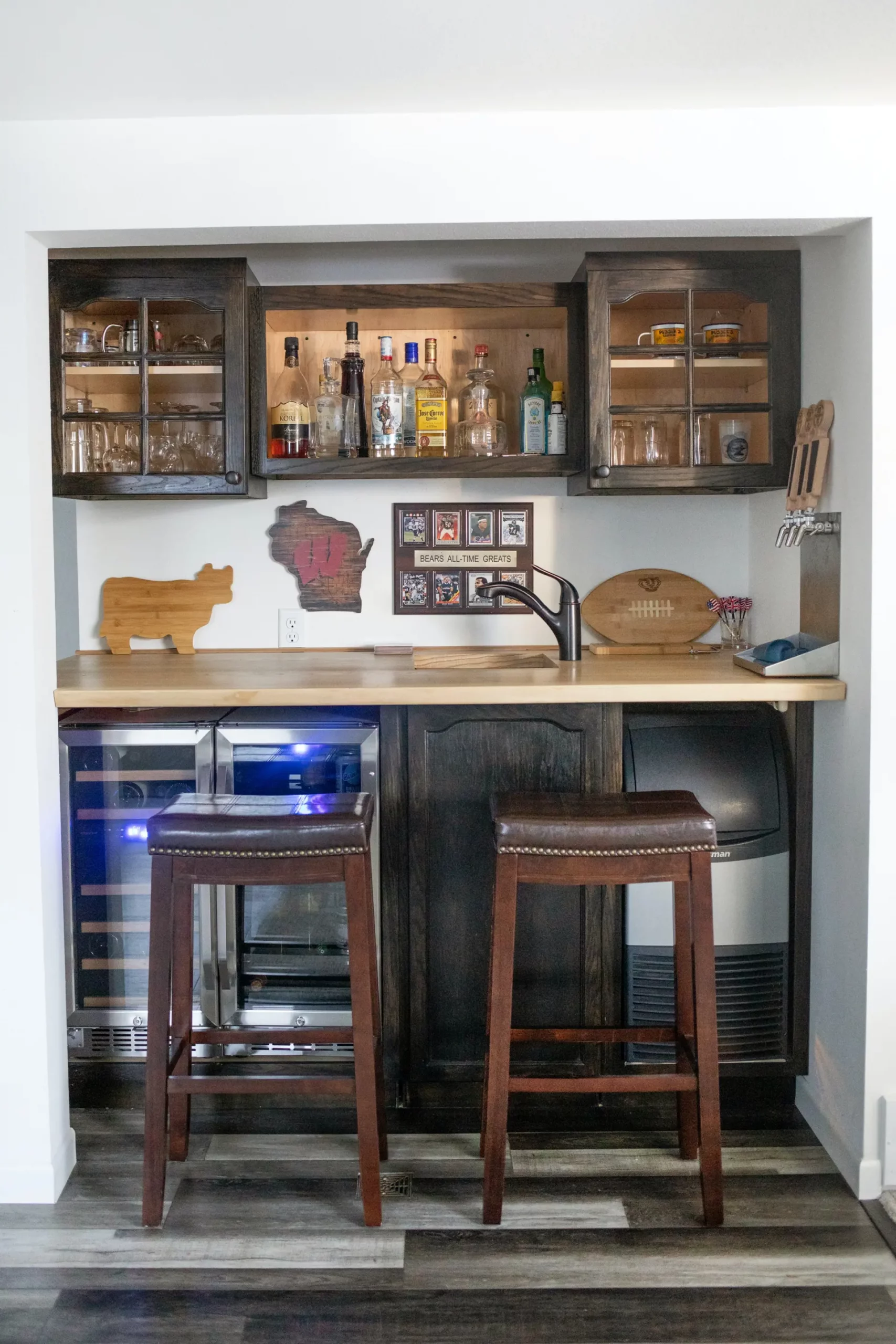
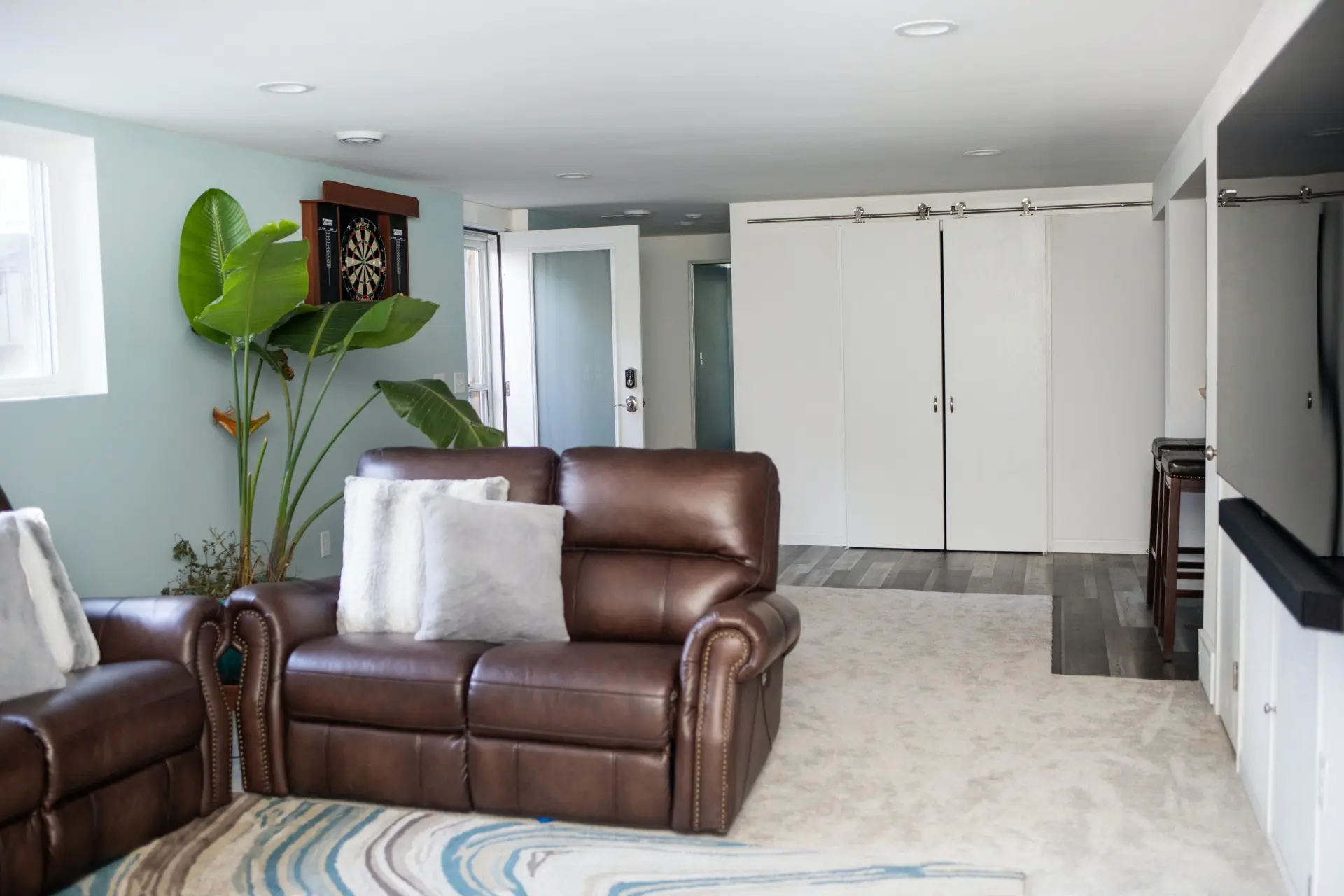
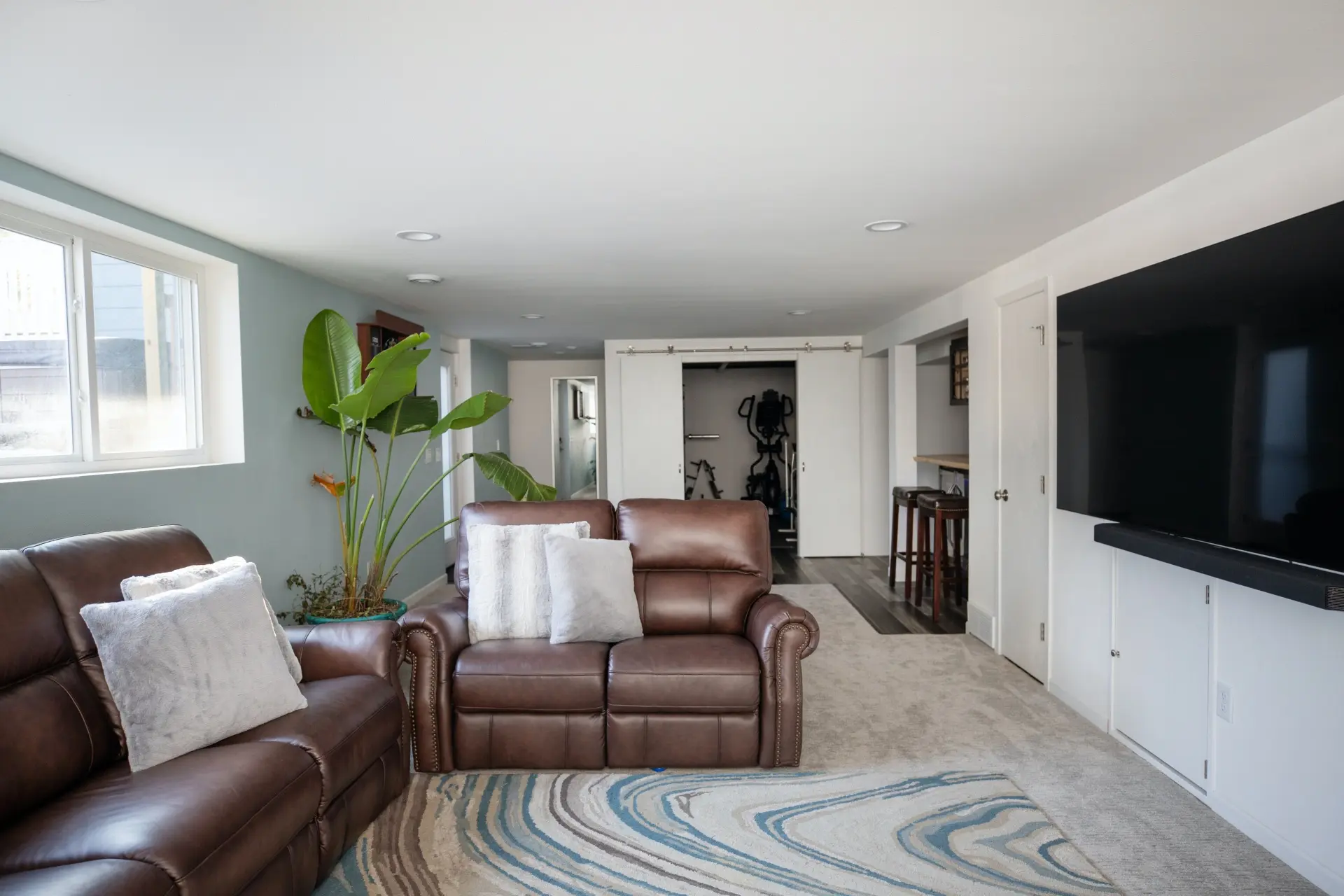
- Historic basement finishing. Addressing moisture and structural challenges in older foundations while creating modern living space.
- Plaster restoration. Crack repair, key restoration, and selective replacement.
Detailed Line-Item Estimates: No Surprises
Historic renovation has a reputation for cost overruns. Often for good reason. Older homes reveal surprises when walls open up: previous bad repairs, hidden damage, undersized framing, knob-and-tube tucked away in walls. AF Construction manages this with two things:
- Experience identifying likely issues before demolition. A contractor who has worked on dozens of pre-1950 Madison homes knows what to expect.
- Detailed line-item estimates that separate confirmed scope from contingency items. You see what’s certain and what’s flagged as a risk, with cost ranges for each.
This approach won’t eliminate every surprise, but it gets close, and when something does come up mid-project, you have a clear framework for evaluating it rather than a lump-sum number that becomes a dispute.
Schedule a Historic Home Renovation Consultation
Phone: 608-497-1194 Email: info@afconstructionllc.com Address: 951 Kimball Ln Suite 112, Verona, WI 53593 Website: afconstructionllc.com
[INSERT CONTACT FORM HERE]
Frequently Asked Questions: Historic Home Renovation
Do I need a special permit to renovate a historic home in Madison?
It depends on your property. If your home is in a Madison historic district (Mansion Hill, First Settlement, Third Lake Ridge, Marquette, University Heights, and others) or on the National Register of Historic Places, exterior changes may require review by the Madison Landmarks Commission. Interior renovations are typically not subject to historic preservation review. We determine the permit requirements for your specific property before any work begins.
How does AF Construction handle lead paint?
AF Construction follows EPA Renovation, Repair, and Painting (RRP) guidelines and Wisconsin DNR requirements for lead paint. Depending on the scope of work, this may involve testing, containment during renovation, proper disposal of lead-containing materials, and post-work cleanup verification. RRP certification is required for any contractor working on pre-1978 homes where paint will be disturbed. We discuss the lead protocol for your specific project during the consultation.
My home was built in the 1920s. Can it be renovated to modern comfort standards?
Yes, absolutely. We have renovated homes from this era to have modern HVAC, updated electrical, well-insulated walls (using methods appropriate for older wall assemblies), and contemporary kitchens and bathrooms while preserving the original woodwork, plaster details, and proportions that make these homes worth owning in the first place. The key is matching the renovation approach to what the original construction can support.
Is historic renovation more expensive than standard remodeling?
Often yes. Custom work, more careful demolition, lead paint handling, knob-and-tube replacement, and non-standard components all add cost. However, gutting the character out of a home built with materials you can’t buy today is a loss that can’t be undone. Our estimates are detailed and honest about what the work costs.
Can original windows be saved, or do they need to be replaced?
Often saved. Original wood windows in reasonable condition can frequently be restored to better-than-expected thermal performance, particularly with storm windows added. We assess each window individually and make recommendations based on condition. Replacement is sometimes the right call (when frames are deteriorated beyond repair, or when single-glazed windows are causing serious comfort issues) but not always.
What about knob-and-tube wiring? Does it have to come out?
It depends on condition and your insurance situation. Wisconsin insurance carriers increasingly require knob-and-tube replacement before issuing or renewing homeowner policies. From a safety standpoint, knob-and-tube in good condition is not inherently dangerous, but it has limitations that don’t match modern electrical loads. Most full historic renovations include electrical updates as part of the project.
My home is on the National Register. Are there grants or tax credits available for renovation?
Possibly. The Wisconsin State Historic Preservation Office administers federal and state historic tax credit programs that can offset a percentage of qualifying renovation costs for income-producing historic properties. Owner-occupied homes have different criteria. We can discuss your specific situation and refer you to the SHPO for tax credit guidance, which is outside our scope as a contractor.
How long does a full historic home renovation take?
It depends entirely on scope. A full historic renovation (kitchen, bathrooms, electrical, plumbing, plaster repair, refinishing floors) typically takes 4 to 9 months. Larger projects with structural work, additions, or whole-house re-plumbing can take longer. We give you a clear timeline at the estimate stage.
Do you serve historic homes outside Madison?
Yes. We work on historic homes throughout Dane County including Madison, Verona, Mount Horeb (which has significant pre-1970 housing stock), McFarland, Stoughton, and surrounding communities. Historic renovation is a specialty regardless of city.