
Quick Answer
Whole-home renovations go smoother when you decide two things early: what must be done now, and what can be phased later without redoing work.
Key Takeaways
- “We want it updated” is not a scope. Define what’s changing and why.
- Phase work to avoid redoing floors, paint, or cabinetry later.
- Plan for daily life: dust control, temporary zones, and routines matter.
- Timelines are driven by scope + decisions + lead times.
- Communication and expectations reduce the “mid-project stress spiral.”
If you’re planning a whole-home renovation in Madison, Verona, McFarland, Oregon, or Mount Horeb, start with Services:
The Scope Trap (Where Projects Go Sideways)
“We want it updated” sounds normal… until you try to build it.
A usable scope answers:
- Are we changing layout?
- What rooms are included?
- Are we updating systems (electrical, plumbing, HVAC)?
- Are we changing windows/insulation?
- What finishes are staying vs going?
A Simple Whole-Home Scope Worksheet
Write this down before you design:
- The 3 biggest daily frustrations in the home
- The 3 must-have outcomes (function, storage, comfort)
- The 3 things you refuse to compromise on
- The 3 things you’re flexible on
Whole-Home Renovation Phasing (So You Don’t Redo Work)
A clean phasing plan often looks like:
Phase 1: Systems + Structural
Electrical/plumbing updates, structural changes, any must-do fixes.
Phase 2: High-Use Spaces
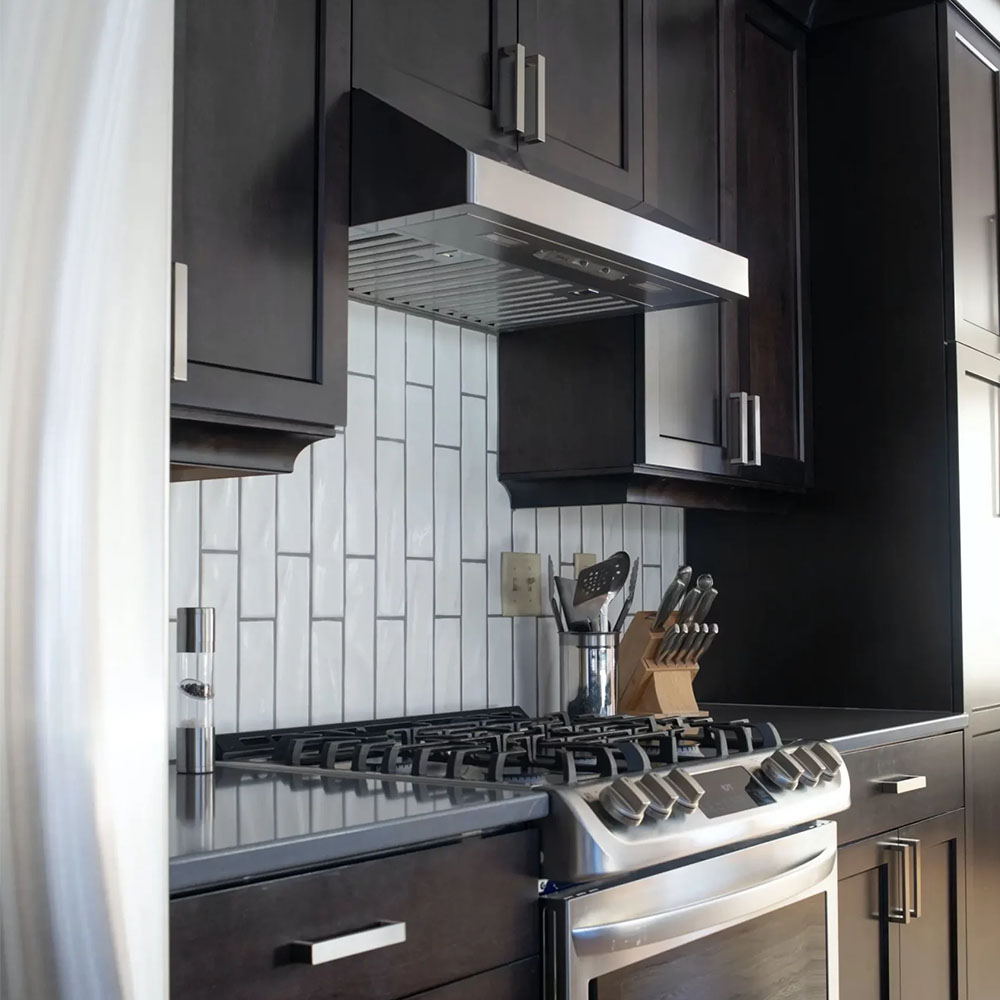
Kitchen, main living areas, main bath—spaces you feel every day.
Phase 3: Bedrooms + Secondary Baths
More private spaces, easier to phase.
Phase 4: Finishes + Final Details
Trim, paint, built-ins, hardware, punch list.
Timeline Basics (What To Expect)
Timelines vary widely, but most are shaped by:
- how much layout changes
- how many systems are touched
- material lead times
- how fast decisions are finalized
If you want a quick win: lock in layout + major selections early.
Living Through A Whole-Home Renovation (Practical, Not Pinterest)
This is the part people underestimate.
- Create “clean zones” (sleep, work, sanity)
- Create “construction zones” (work areas, staging, tools)
- Plan dust control (doors, plastic, air filtration as needed)
- Plan meals and routines (it sounds small, it matters a lot)
- Decide early if you’re staying or temporarily relocating
Budget Planning Without Getting Weird About It
Whole-home projects benefit from:
- a prioritized scope list (must vs nice)
- a contingency plan for surprises
- clear agreement on what changes require approvals
For financing options and planning basics, Click here
Schedule a renovation planning consult:
FAQs
How long does a whole home renovation take in Madison WI?
Depends on scope and phasing. Layout changes and system upgrades usually extend timelines more than finishes do.
Should I move out during a whole-home renovation?
Sometimes. If the kitchen and bathrooms are down at the same time, temporary relocation can reduce stress.
How do I prioritize what to renovate first?
Start with safety/system needs, then high-use spaces, then secondary areas.
What usually causes budget overruns?
Scope creep, late changes, and surprises behind walls—especially in older homes.