Key takeaways
- A clear process protects your budget, your timeline, and your peace of mind
- Most remodel stress comes from vague scope and late decisions, not the actual construction
- A detailed estimate is your protection, not a formality
- The fastest remodel is the one with fewer surprises because planning is tight
- In Dane County, seasons and supplier lead times are real, so early selections matter
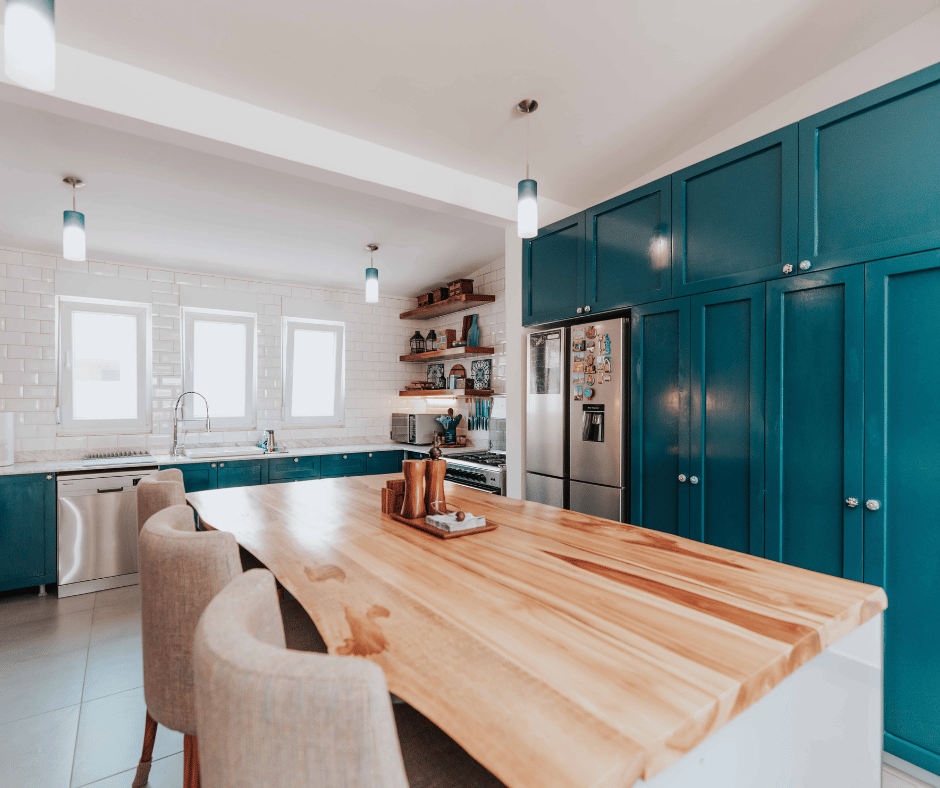
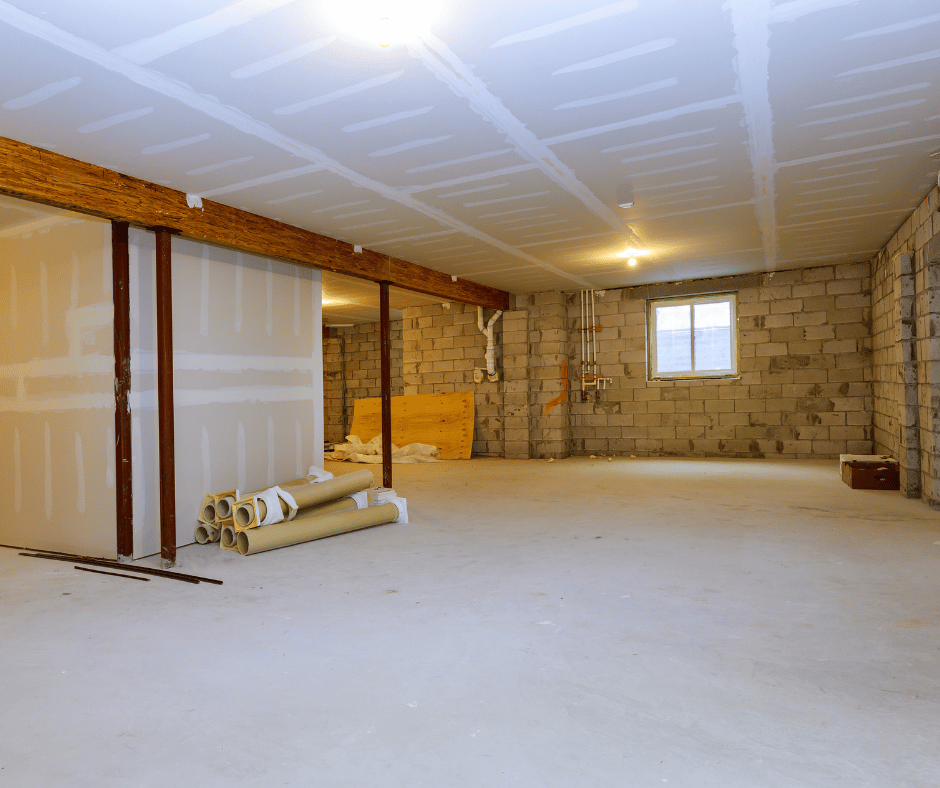
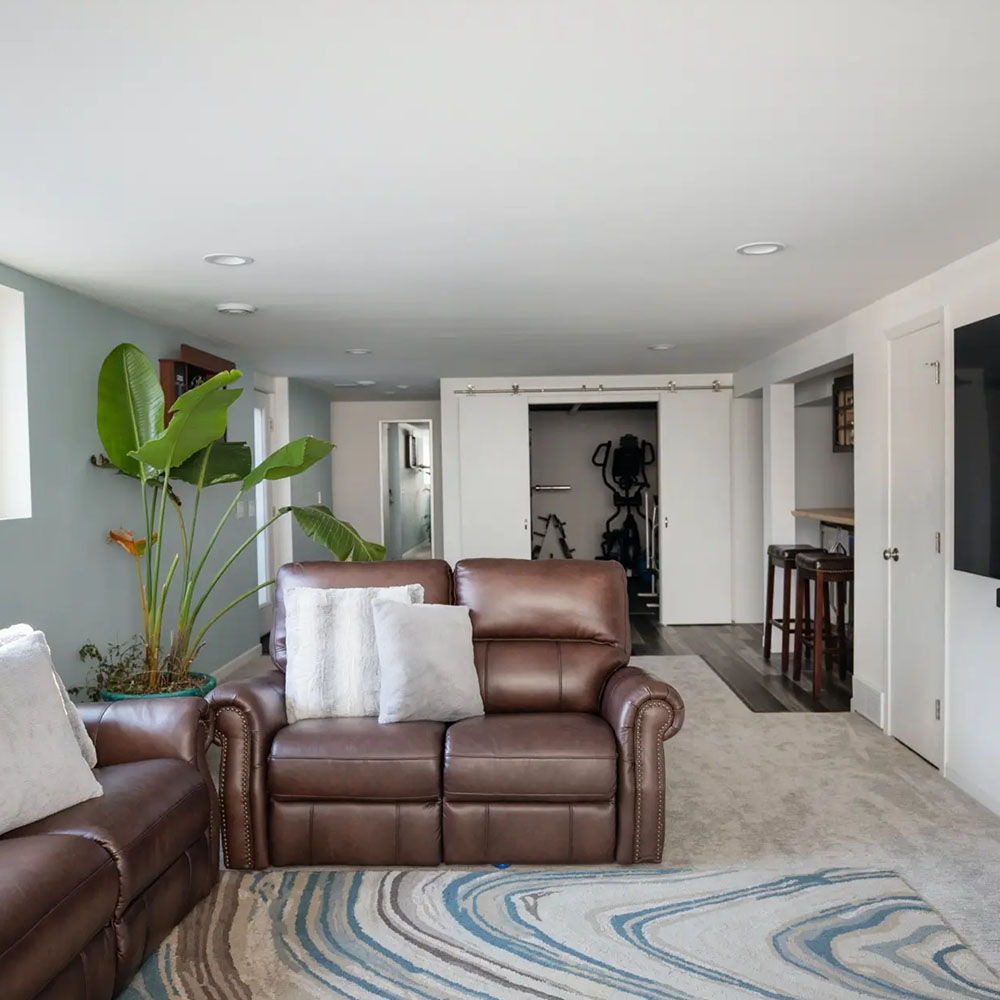
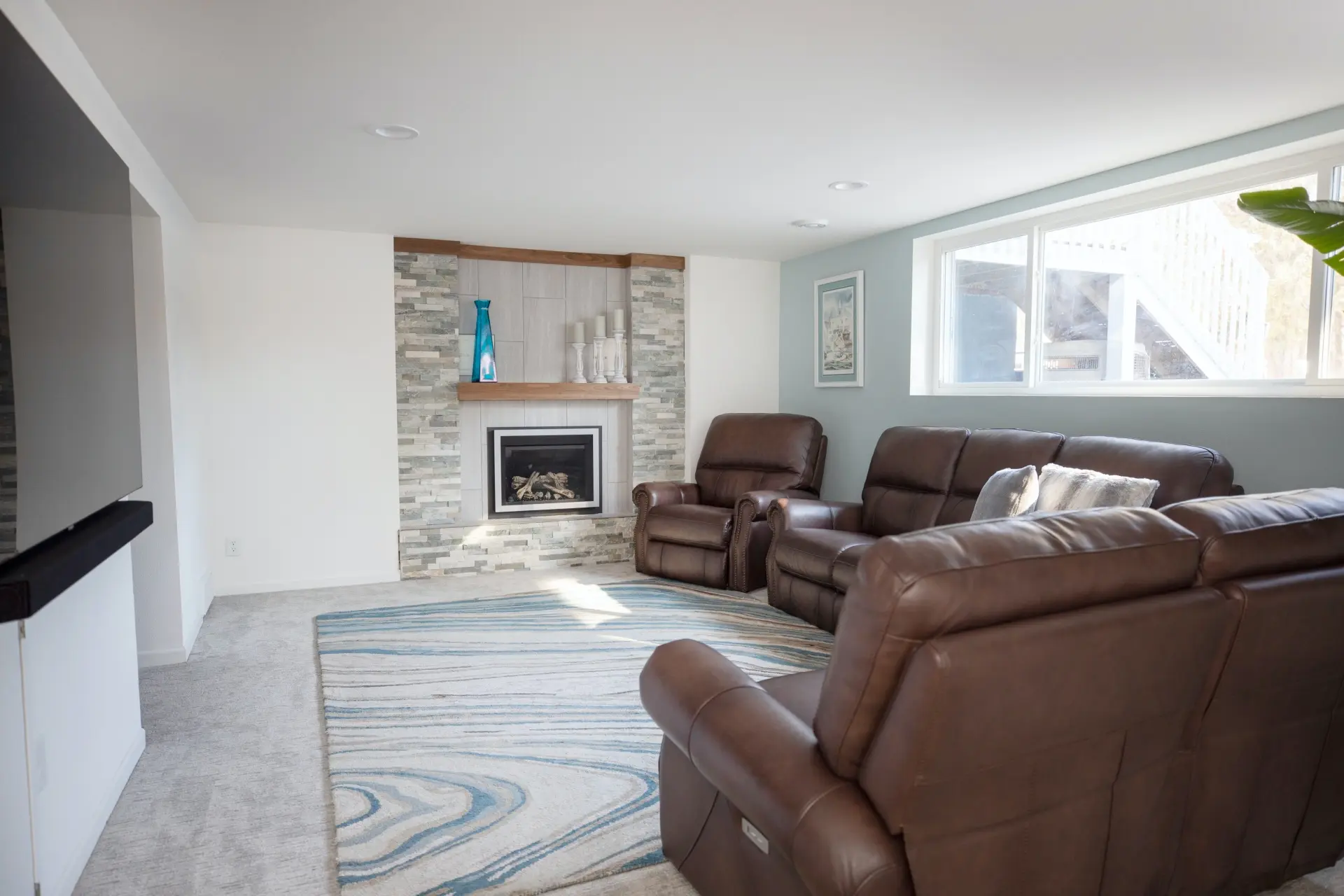
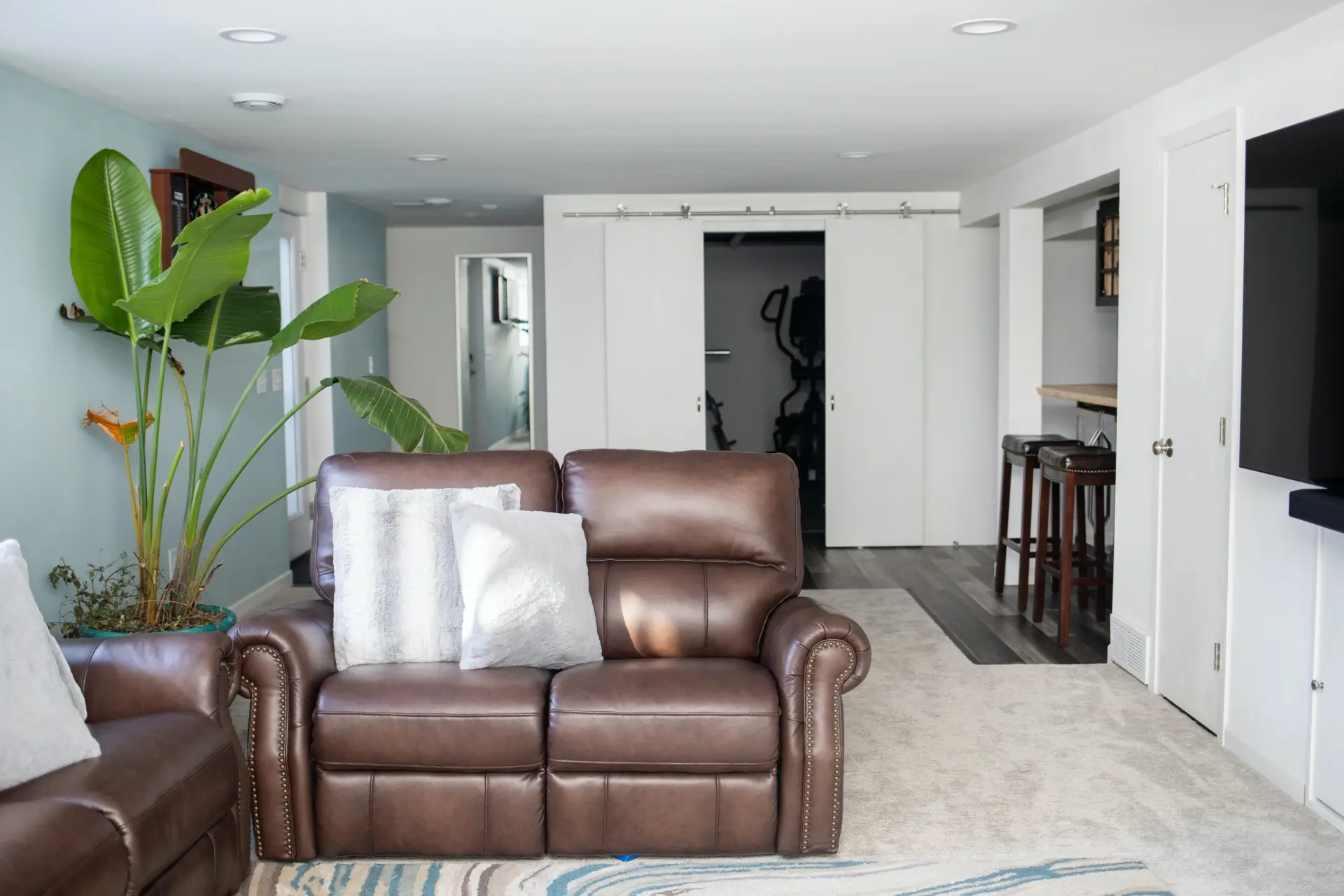
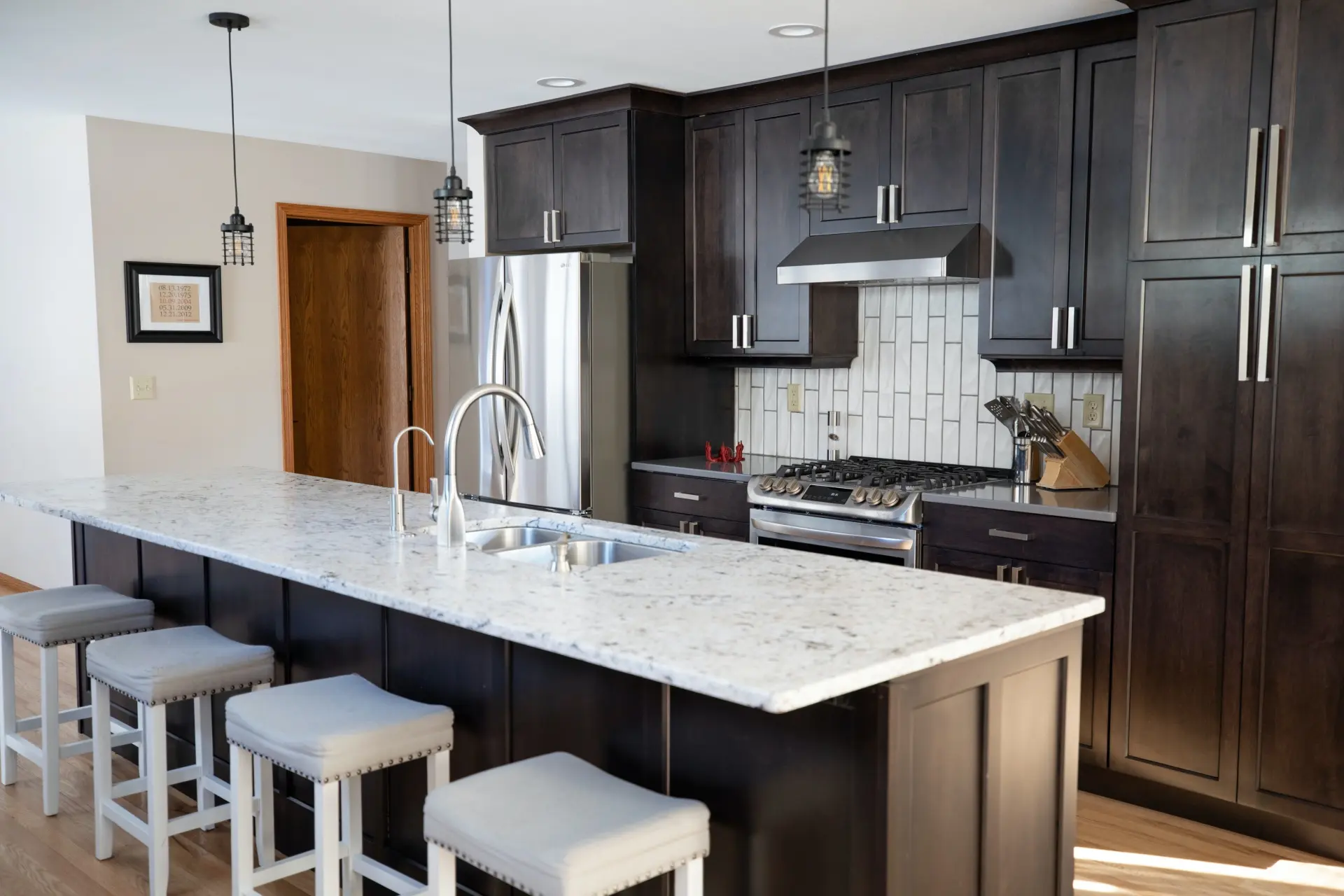
Most people reach out when they are tired of living around the problem. The kitchen traffic jam. The bathroom that never feels clean because it is cramped. The basement that is technically usable, but nobody actually wants to hang out down there. Around Verona and the Madison area, we walk into a lot of solid homes with good bones and the same story: the house is great, but the layout and finishes are stuck in a different decade.
Remodeling does not have to feel like a chaotic leap off a cliff. The biggest difference between a project that feels smooth and a project that feels stressful is the process. A good process turns a big emotional investment into a series of clear decisions, with clear timing, and clear expectations.
Here is what you can expect when you work with a contractor who runs the project like a professional, not like a roulette wheel.
Step 1: Get clear on what success looks like
Before we talk finishes, we talk function. You do not need a perfect vocabulary for design. You just need honesty about what is not working and what you want to feel different when the project is done.
We usually start with questions like these:
- What is the biggest frustration in the space right now
- What do you want this room to do better for daily life
- What are your top three must haves
- What are your nice to haves
- What is your budget comfort zone
- What is your tolerance for disruption while work is happening
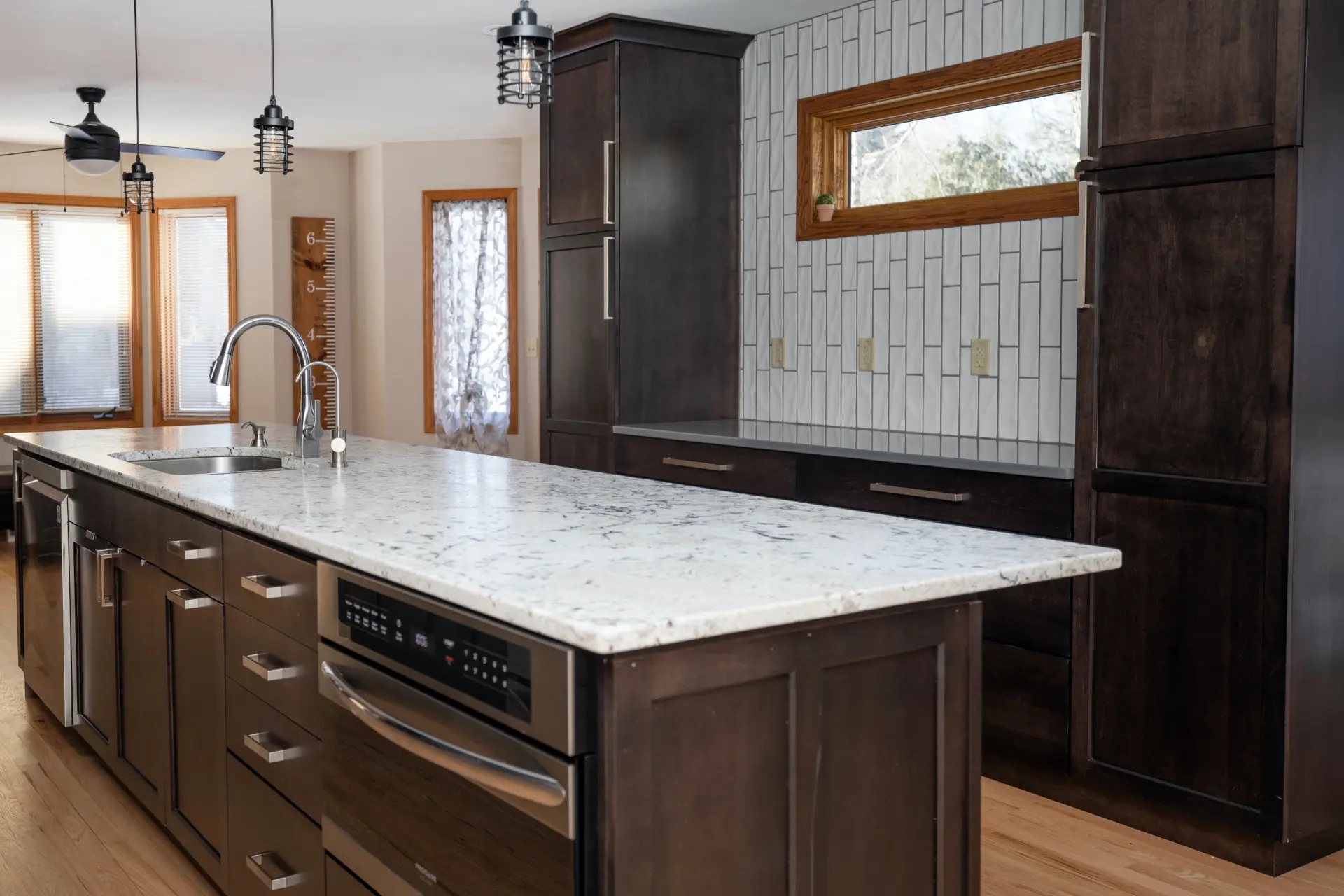
A common moment we see is when a homeowner says, we want a nicer kitchen, and halfway through the conversation they realize the real issue is flow. The fridge door blocks the main walkway. Two people cannot cook at the same time. The island is more of a speed bump than a workspace. Once we name the real problem, the scope gets easier to define, the budget gets easier to control, and the finished result gets easier to love.
Step 2: On site consultation
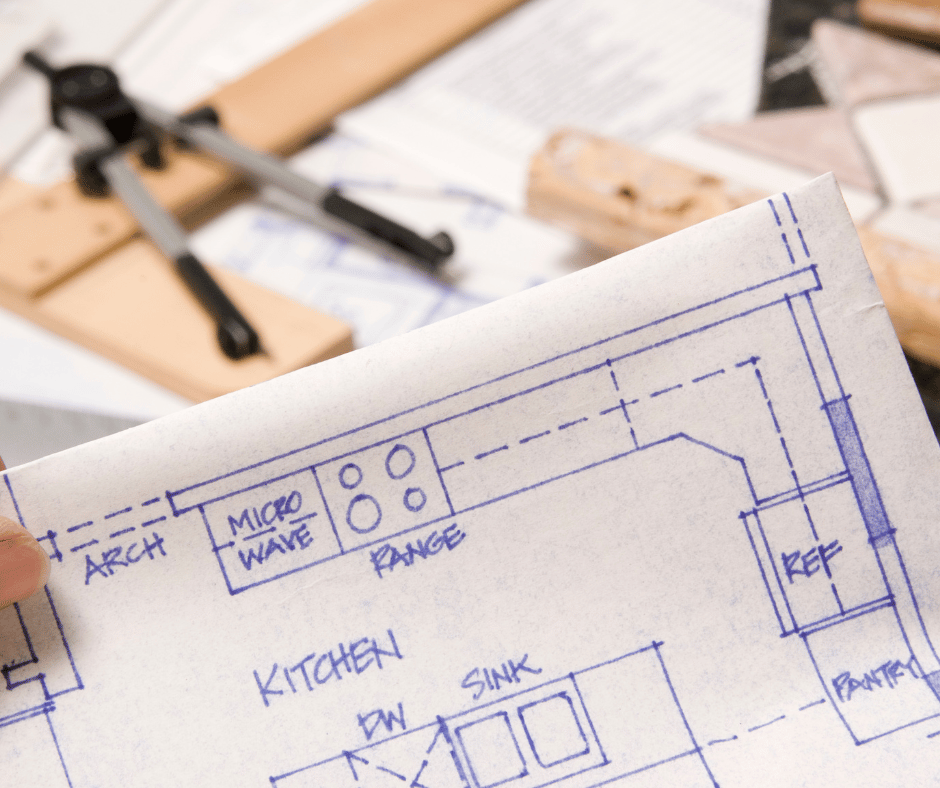
The on site consultation is where the project becomes real. This is when we measure, look behind the obvious, and ask the questions that prevent surprises later. It is also when you get a feel for how the contractor communicates. That part matters more than people think.
Bring anything that helps us understand your taste and your priorities. Photos are great. A short list of must haves is even better. If you have a rough budget range, share it. That is not awkward. That is useful.
This is also the right moment to talk about life logistics. In a lot of Verona homes, the driveway and entry path are tight. In parts of Madison, access can be tricky in winter when snow piles up and the salt and slush follow you inside. Those details affect staging, protection, and how we keep your home livable while the work is happening.
Step 3: Scope and selections
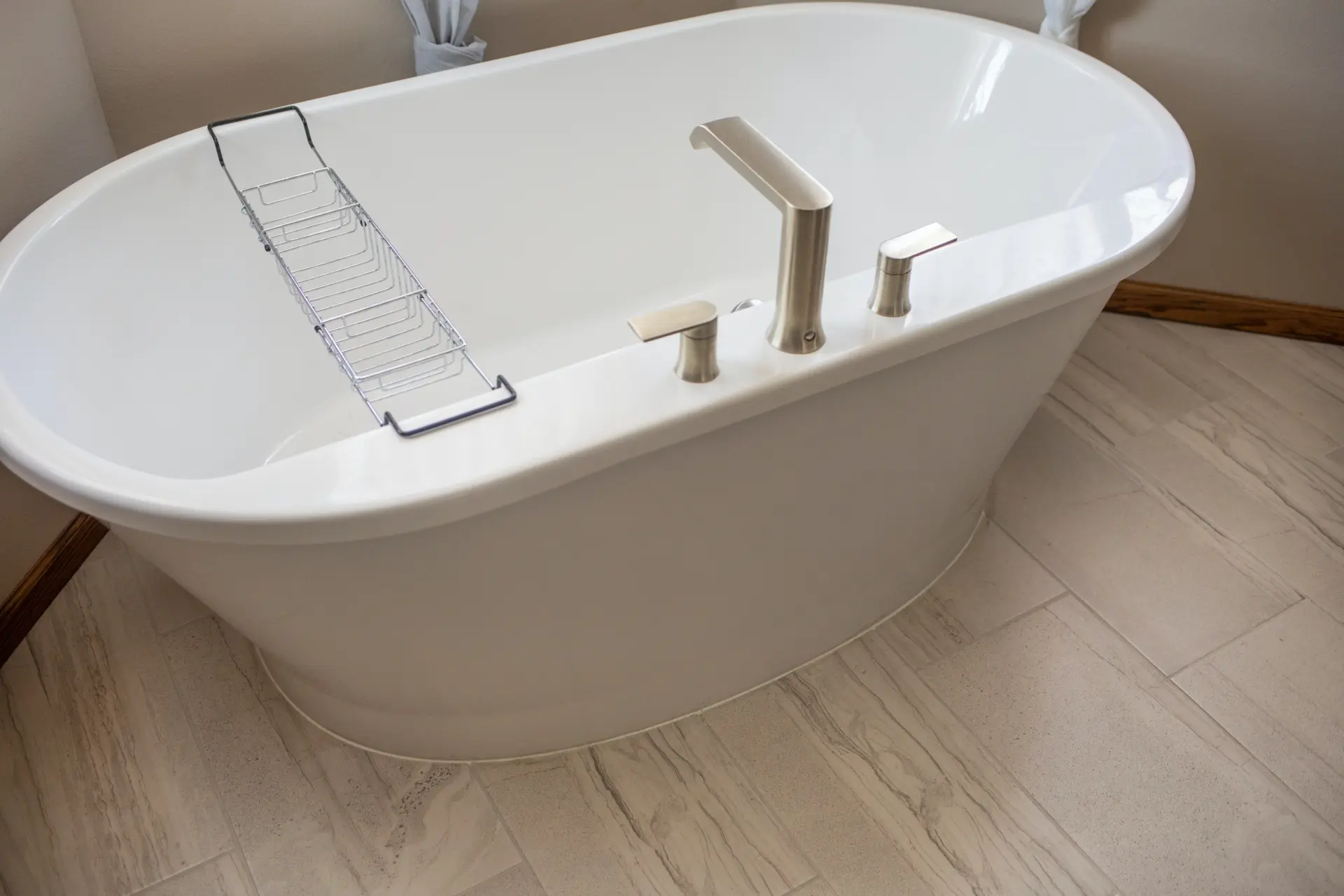
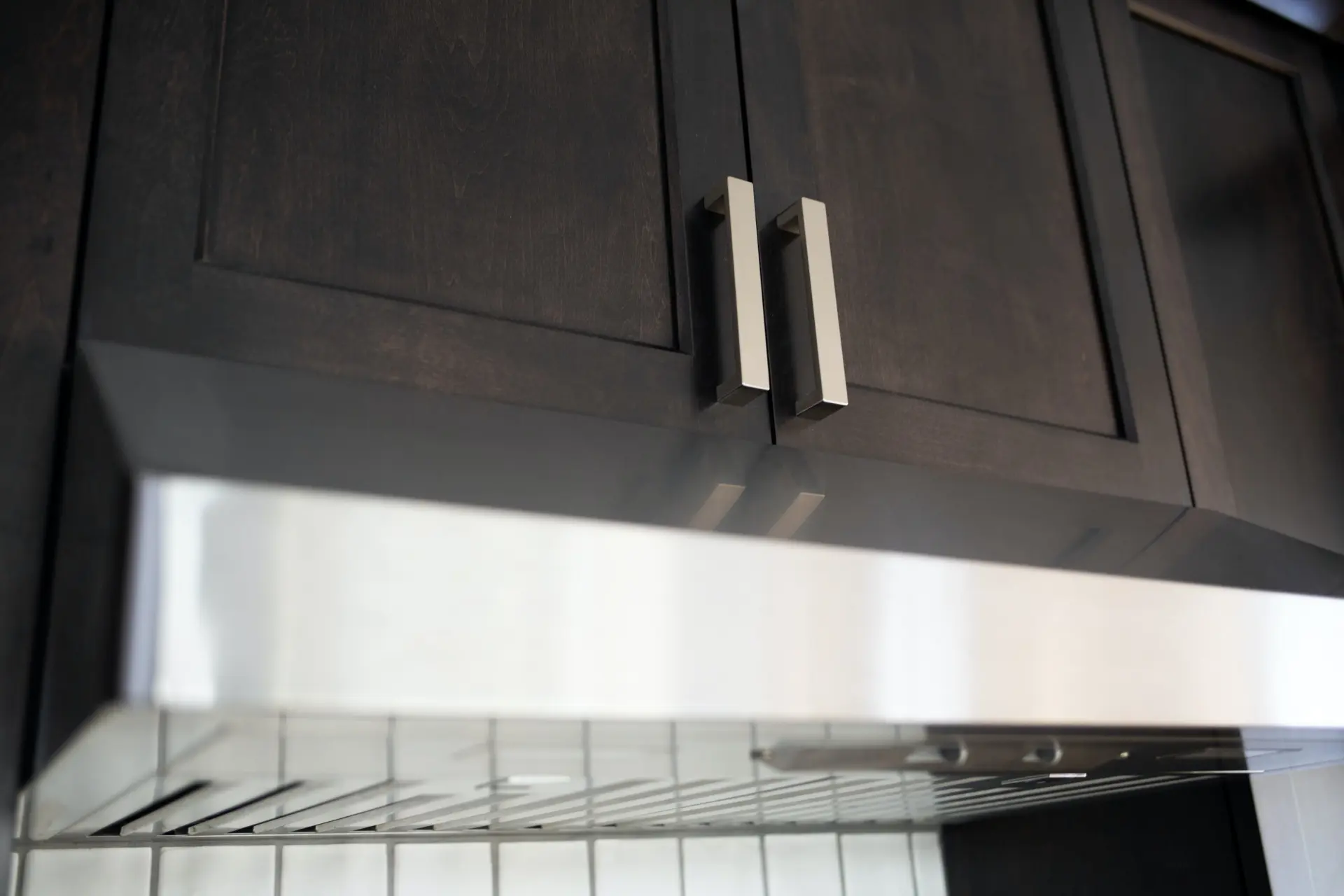
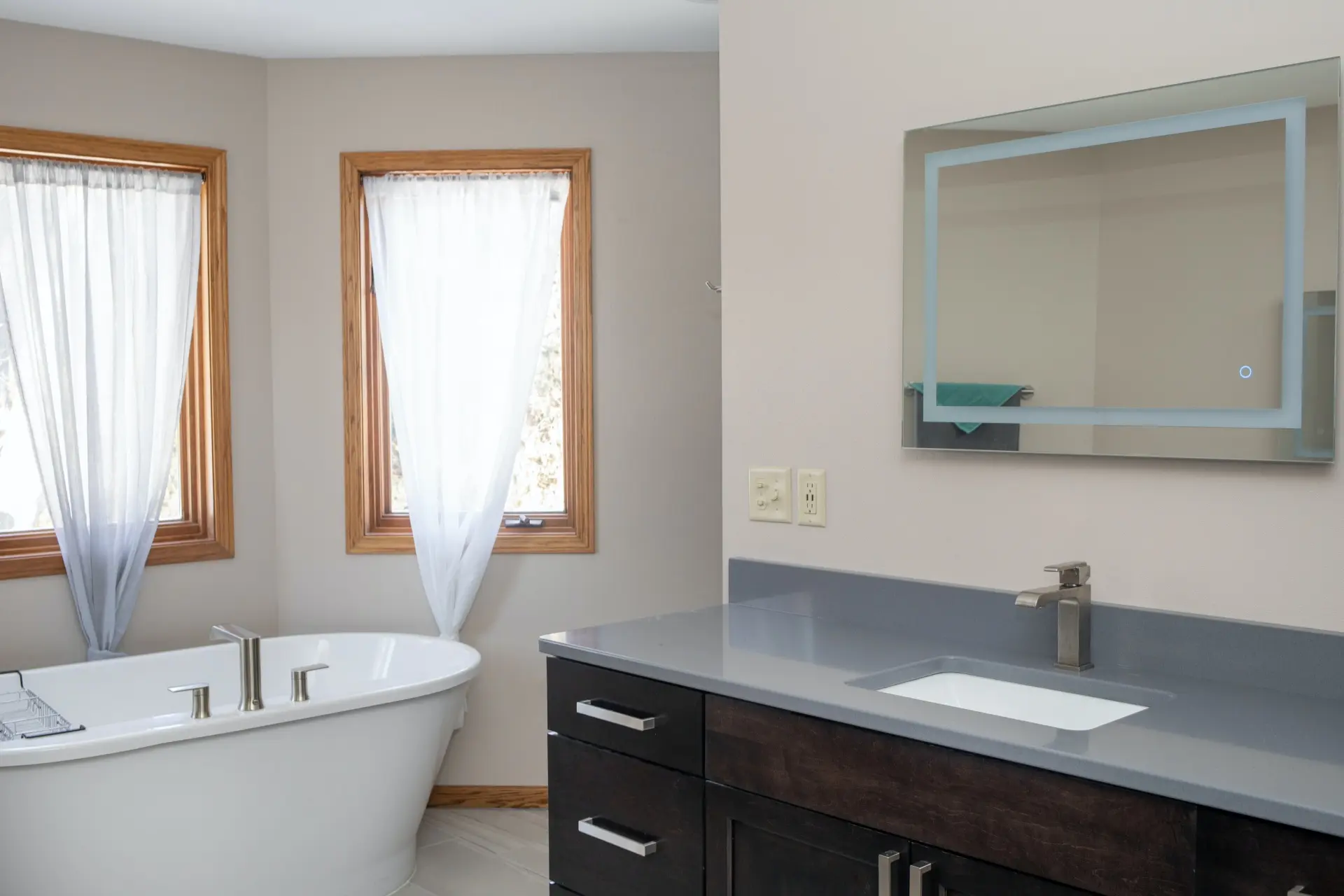
Scope is the boundary of the project. It is what is included and what is not included. Selections are the finishes and fixtures you choose, like cabinets, tile, flooring, lighting, counters, sinks, faucets, and paint.
Here is the truth: scope and selections drive price and timeline more than demo day ever will.
If scope is vague, your estimate will be vague. If selections are unknown, lead times can become the surprise villain of the whole project. In Wisconsin, that is extra real because seasonal scheduling and supplier availability can shift quickly. Winter does not care about your tile delivery schedule.
We would rather slow down planning than speed up mistakes. Planning is where you buy predictability.
Step 4: The estimate phase
A detailed estimate is where trust gets built. You should be able to look at the estimate and understand what you are paying for and why.
A line item estimate is not paperwork. It is your protection. If the number is vague, the stress later will not be.
Good estimating takes time because it requires real coordination, real pricing, and real sequencing. It also requires clarity on the scope and key selections. If you get a fast estimate that looks suspiciously simple, treat it carefully. Speed is not always a flex in construction.
During this phase, we also talk about timing. When do you want the project done, and why. Is there a family event, a move, a new baby, or you are simply done living with the old layout. Timing helps us plan, but we will be honest if a timeline is not realistic.
Step 5: Agreement and scheduling
Once you approve the scope and estimate, the project moves into scheduling. Scheduling is not just picking a start date. It is coordinating trades, ordering materials, and protecting the sequence of work so the project does not stall.
This is also where we set expectations for communication. Remodels go smoother when you know how updates happen and where questions get answered.
Here are the expectations that usually keep a project sane:
- A clear communication cadence, weekly updates plus quick check ins as needed
- A process for change requests, documented before work proceeds
- A plan for site protection and daily cleanup
- A plan for access, parking, and work hours
- A payment schedule tied to meaningful milestones
Plain spoken opinion: if a contractor cannot explain the sequence and how changes are handled, you are buying uncertainty.
Step 6: Before construction starts
This is the calm moment that saves you stress later. We protect your home, confirm access, and confirm key decisions.
You can help a lot here by doing simple preparation:
- Clear the work zone, cabinets, shelves, and surfaces
- Move valuables and fragile items away from pathways
- Plan kid and pet boundaries
- Decide where daily questions will be captured, text, email, or a shared note
- Confirm final selections for long lead items like cabinets and specialty tile
If you are remodeling a kitchen or bathroom, plan your temporary routine before demo. That sounds small, but it makes the whole experience feel more manageable.
Step 7: Construction and decision moments
Construction is a sequence. Demo happens. Then rough work, like framing, plumbing, and electrical. Then inspections if needed. Then walls get closed. Then finishes. Then detail work. Then punch list.
There will be moments where we need a decision quickly, like exact placement of lighting or final hardware choices. The smoother your decision making, the smoother the timeline.
It is normal to feel nervous right before demo day. That is normal. It is also normal for a project to have a couple of days that feel messy and loud. The goal is not that every day feels perfect. The goal is consistent progress and a finished result that matches the plan.
Step 8: Punch list and closeout
A good remodel ends with details, not excuses. The punch list is where we tighten everything up: small adjustments, touch ups, alignments, and final fit and finish.
Closeout should include a walkthrough, confirmation of completed scope, and guidance on caring for finishes when needed.
What actually keeps remodels on track in Dane County
The biggest schedule killer is not weather or inspections. It is uncertainty.
Here is what keeps projects moving:
- Clear scope
- Early selections
- Fast responses to questions
- Minimal changes after construction starts
- Realistic expectations for living in the home during work
If you are in Verona, Madison, Mount Horeb, McFarland, or Oregon, the best starting point is a consultation that produces a plan you can trust. The goal is not to rush you into construction. The goal is to get you into clarity.
FAQs
How long does it take to get an estimate after the consultation
It depends on scope and complexity. A detailed estimate takes time because it includes real sequencing and coordination.
How do winter conditions affect scheduling and deliveries in Dane County
Winter can affect logistics, access, and supplier timing. Planning selections early reduces schedule pressure.
What are the most common surprises in older Madison area homes during demo
Older homes can reveal outdated wiring, hidden water damage, or framing quirks. A good plan includes room for reality.
Do I need to have all selections made before construction starts
Not all, but long lead items should be locked in early to protect the schedule.
How are changes handled once construction starts
Changes should be documented with cost and schedule impact before work proceeds, so you stay in control.