
Quick Answer
If you need one space to work better, a bump out can be the cleanest, least disruptive fix. If you need multiple rooms, a new suite, or a layout reset, a full addition usually makes more sense.
Key Takeaways
- Bump outs solve pinch points (kitchen, bath, bedroom) with less disruption.
- Full additions change how the whole home lives and flows.
- Cost is driven by structure + systems (foundation, plumbing, HVAC), not just square footage.
- Dane County zoning and setbacks can decide what’s possible before design starts.
- A good addition should feel like it always belonged in the home.
If you’re exploring an addition in Verona, Madison, McFarland, Oregon, or Mount Horeb, start with our Additions page:
The Real Question To Ask
Most homeowners come in thinking it’s a size question. It’s usually a function question:
Are you trying to fix a pinch point, or change how the house lives?
That one sentence will save you weeks of second-guessing.
What A Bump Out Is
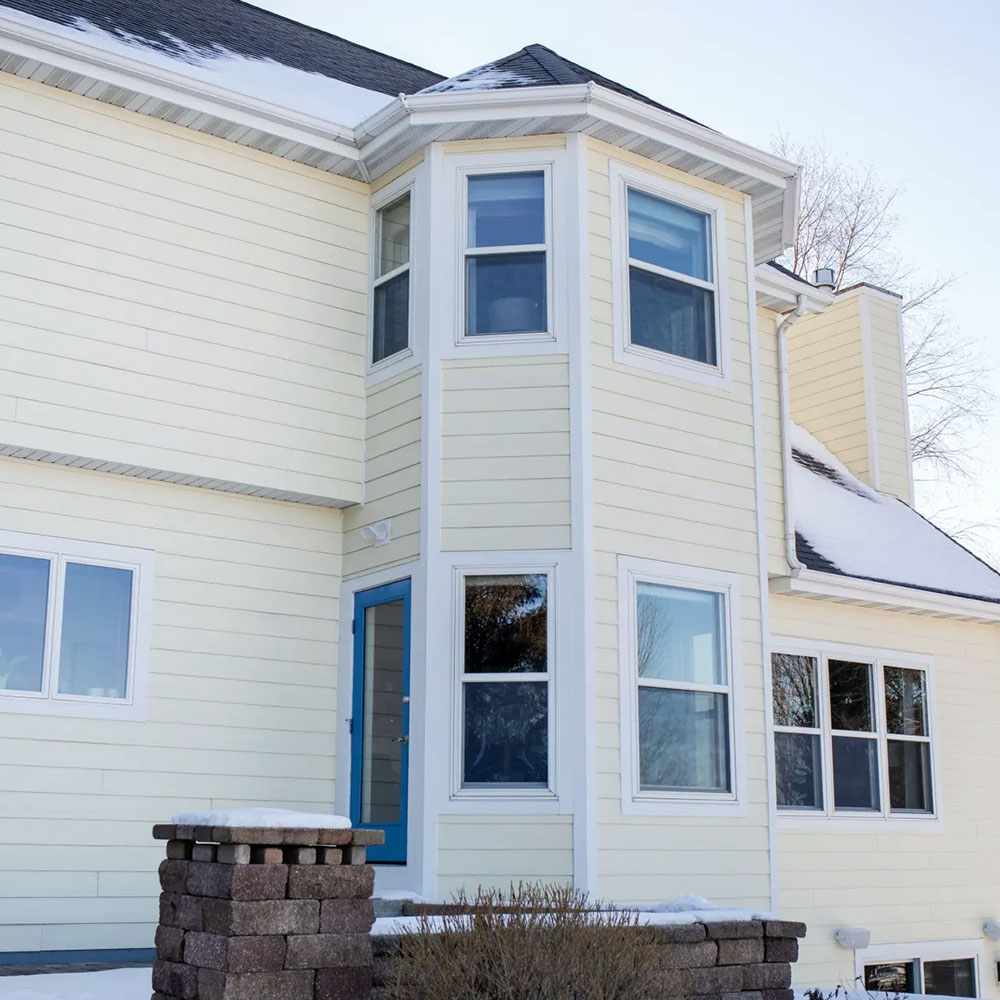
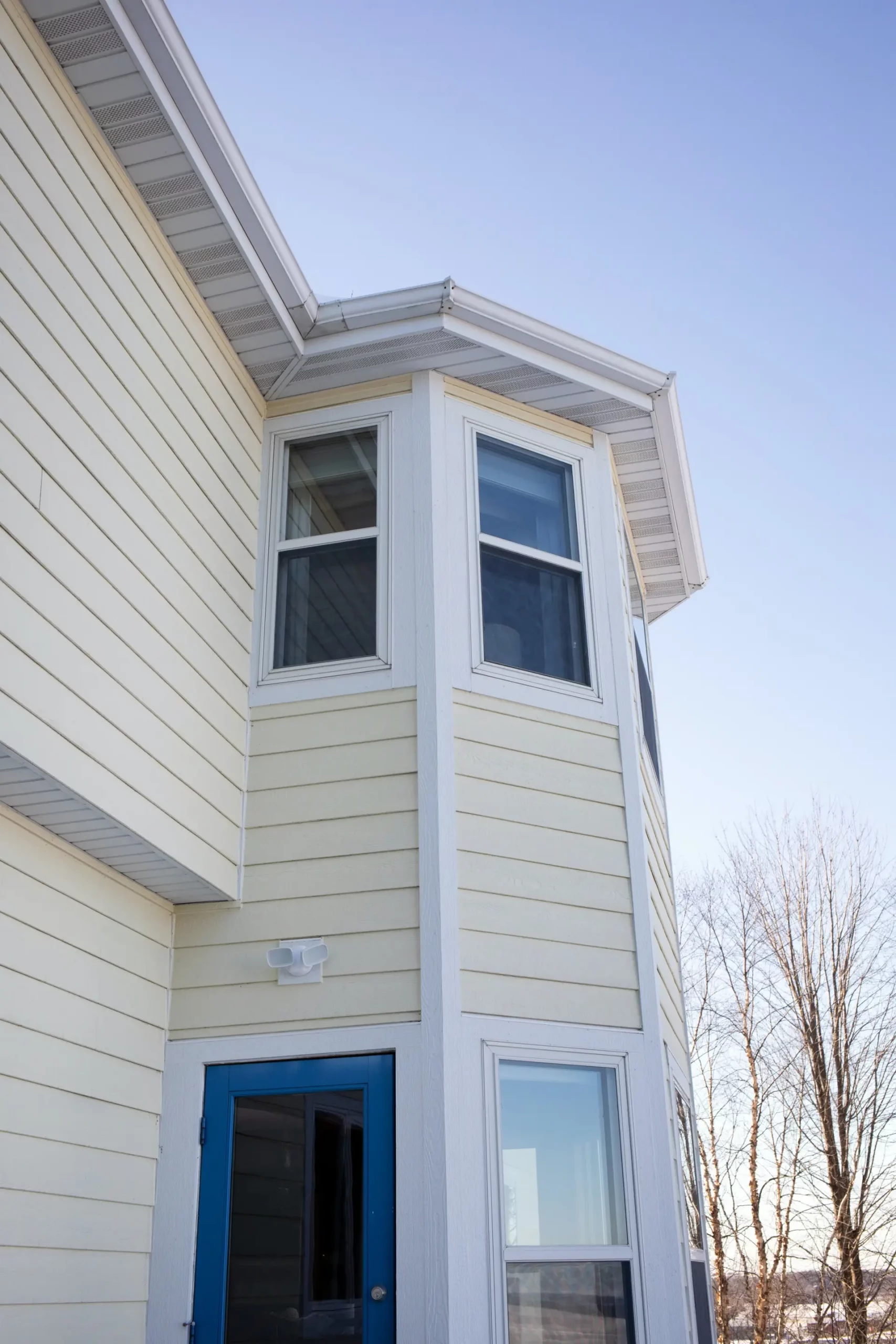
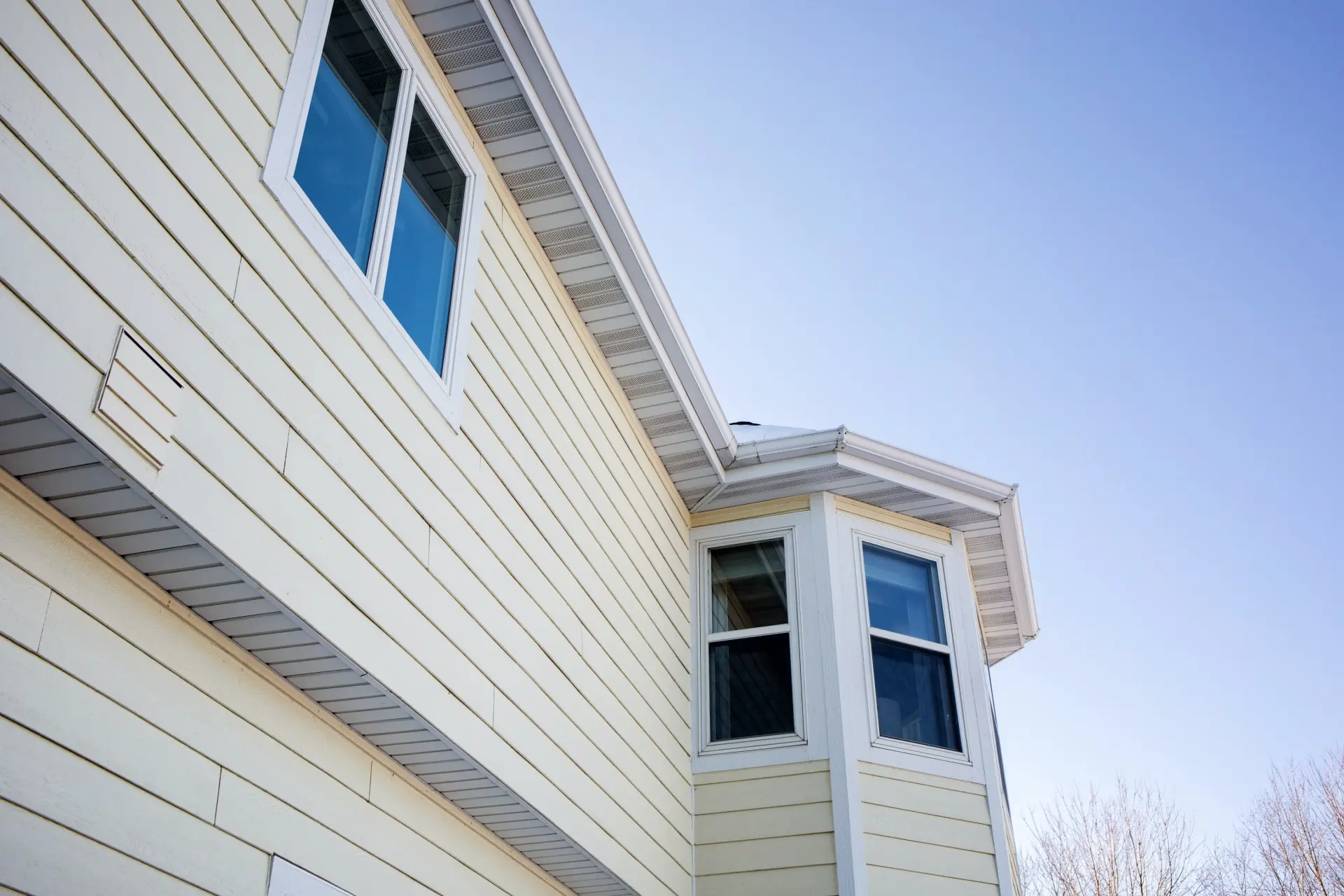
A bump out is a smaller expansion of an existing room, often 2–10 feet out. Common bump out projects around Madison:
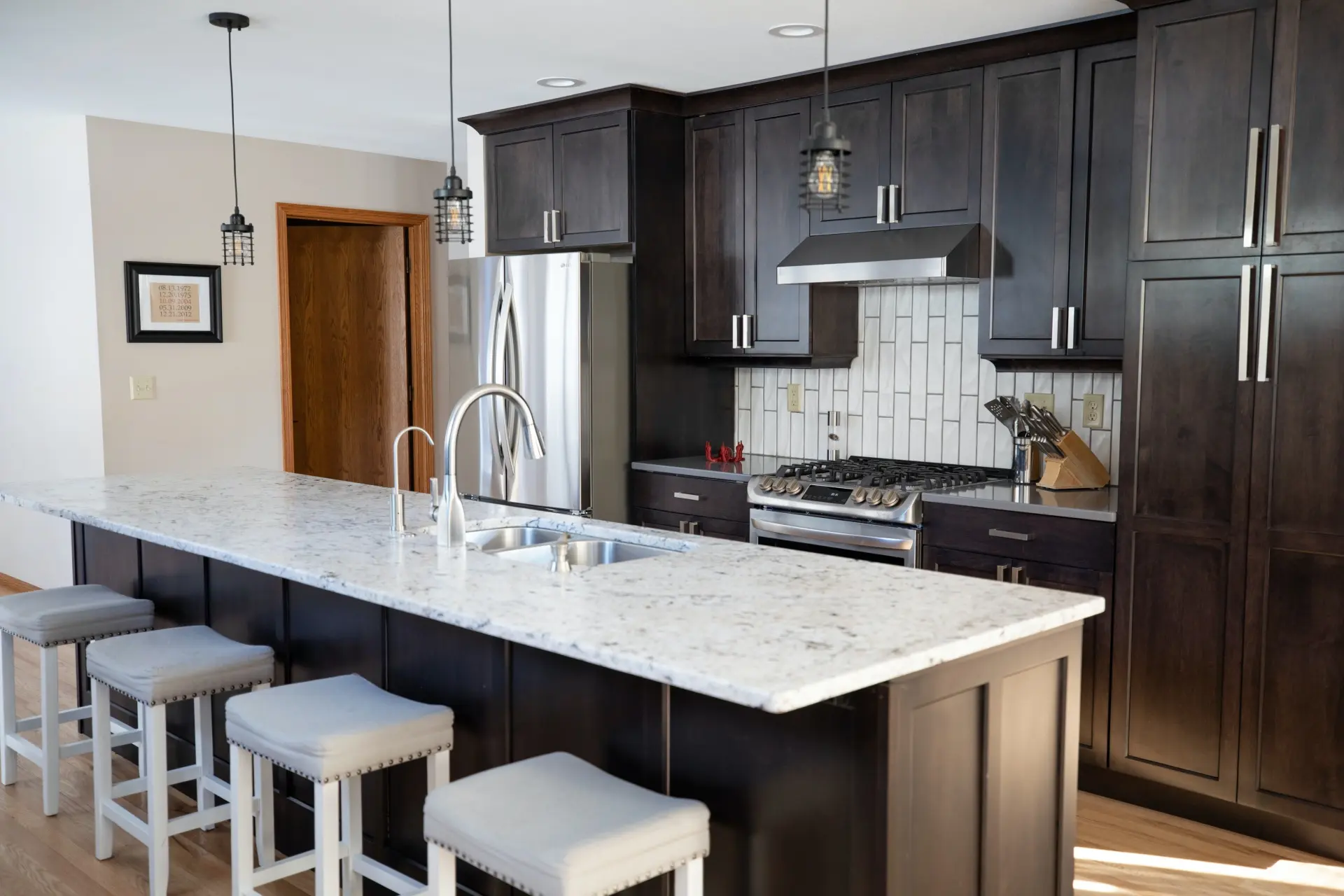
- Add kitchen space for an island that doesn’t feel like a traffic jam
- Make room for a pantry wall
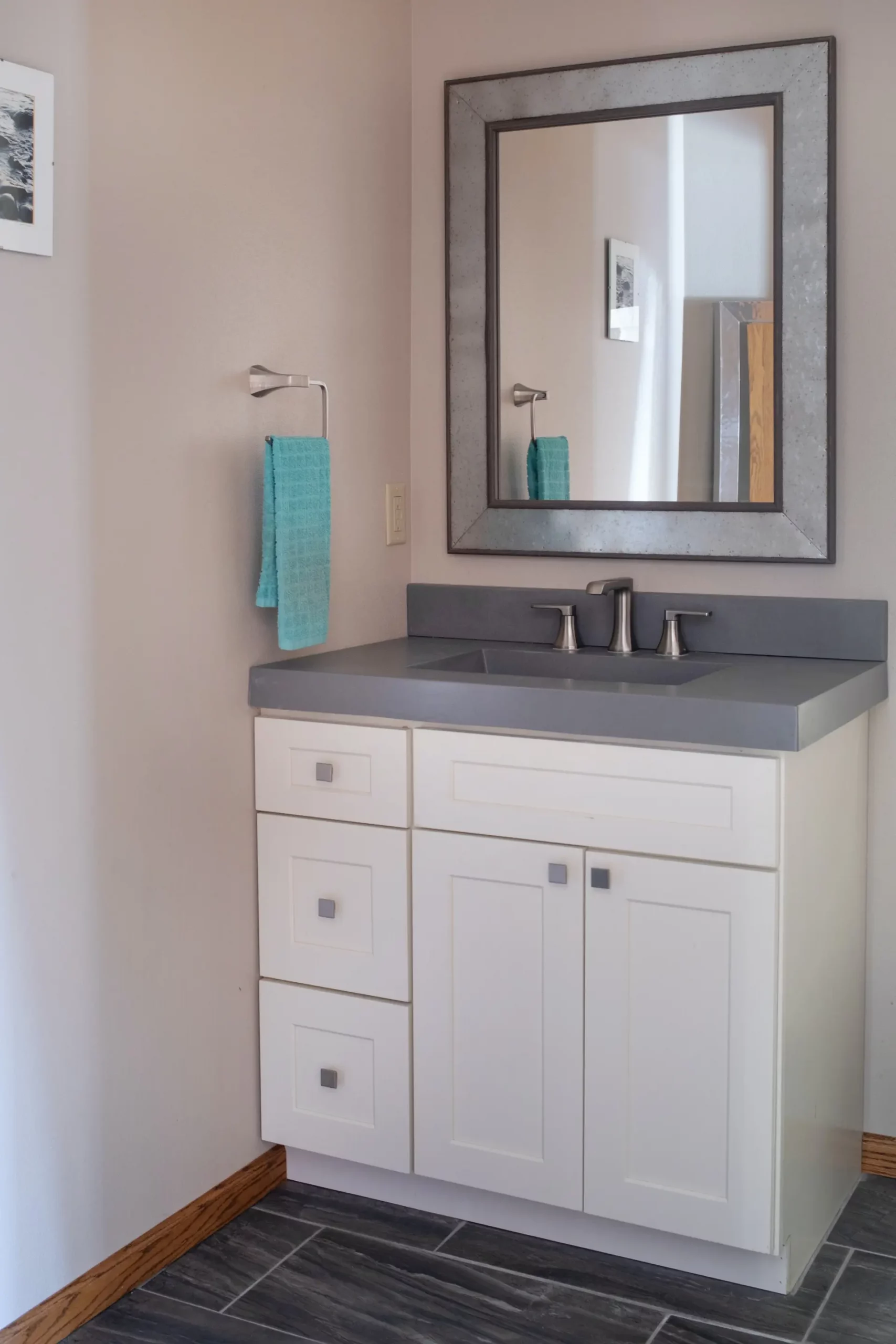
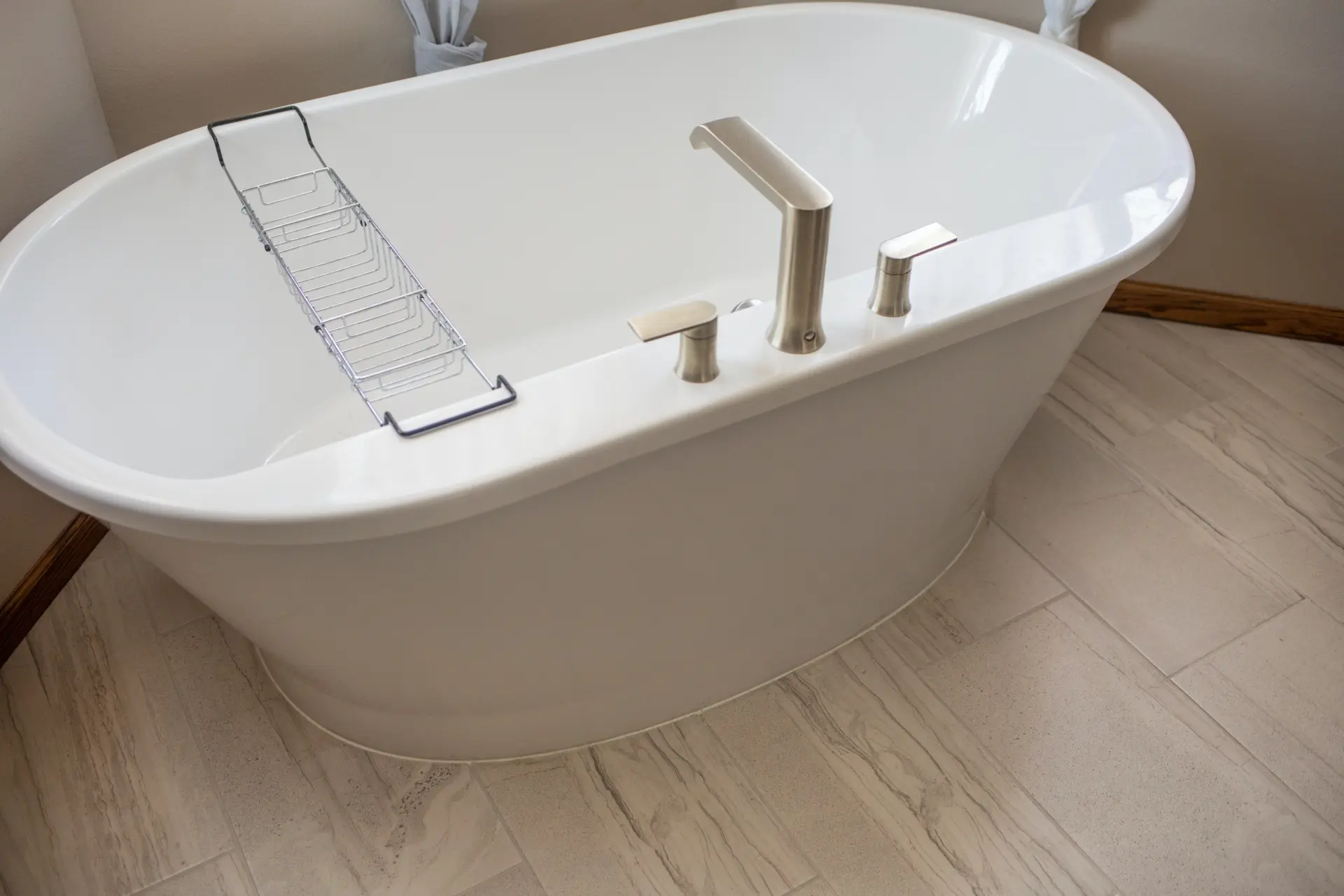
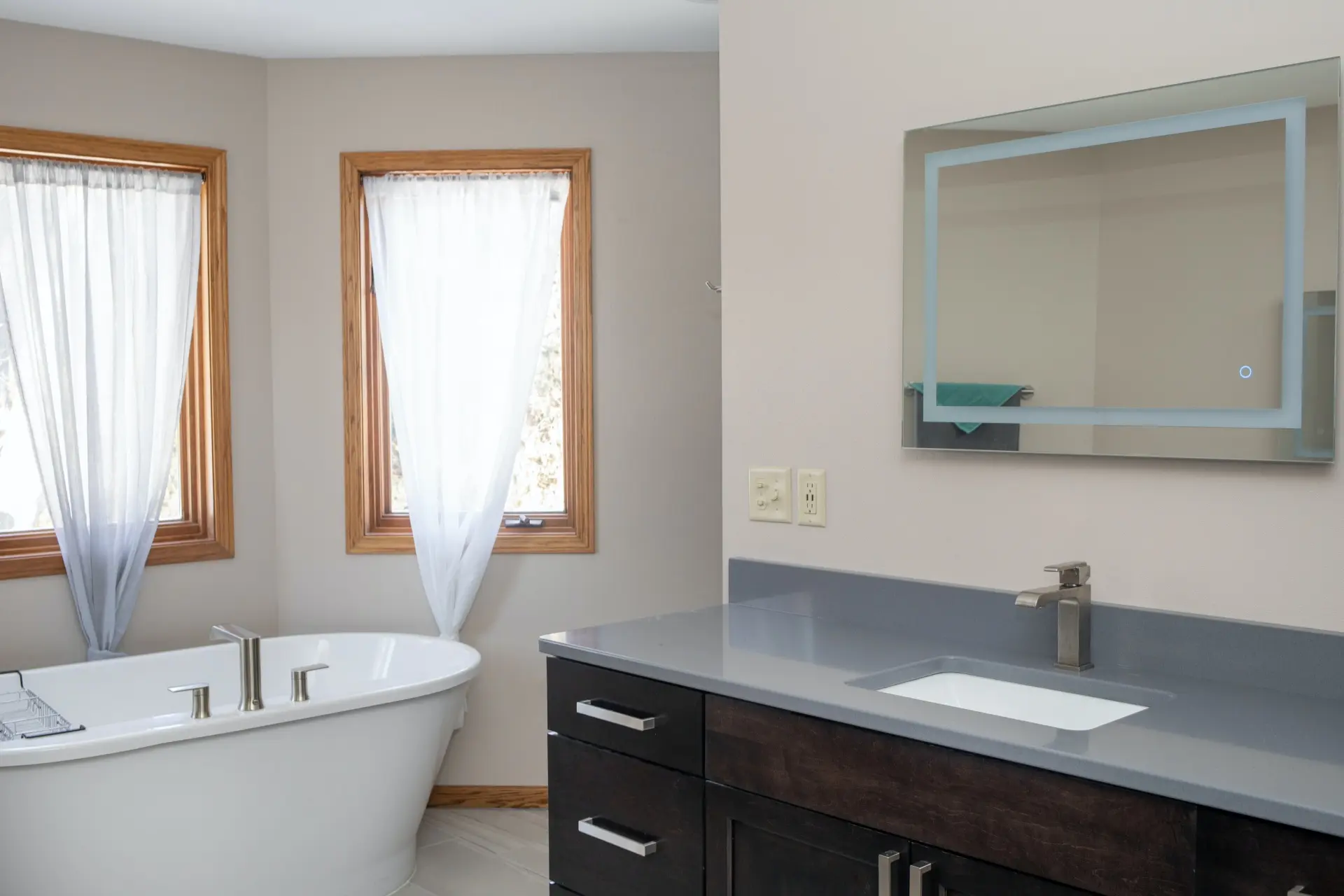
- Expand a bathroom for a walk-in shower
- Add a real closet to a bedroom
- Push out a living room wall so furniture actually fits
What A Full Addition Is
A full addition adds larger square footage and often reshapes multiple spaces:
- New primary suite
- Family room + mudroom combo
- Two-story addition for bedrooms and a bath
- In-law/guest suite
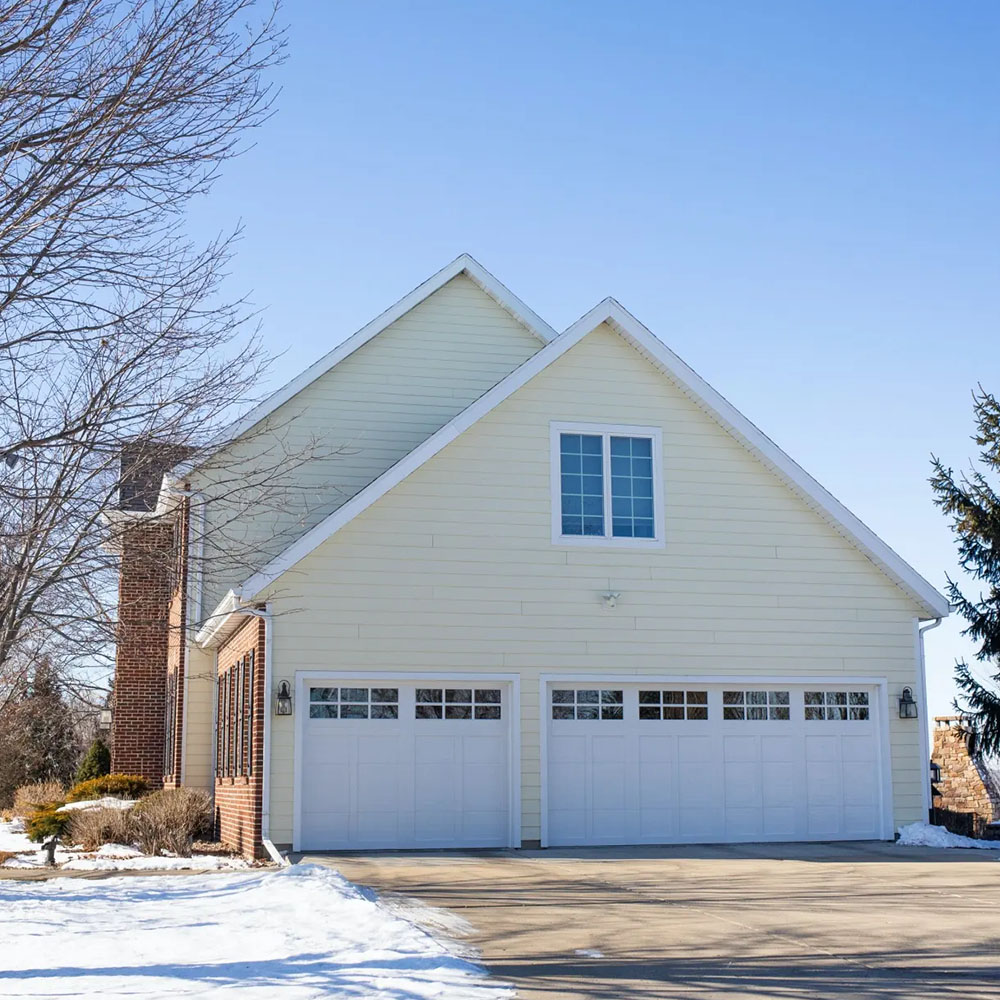
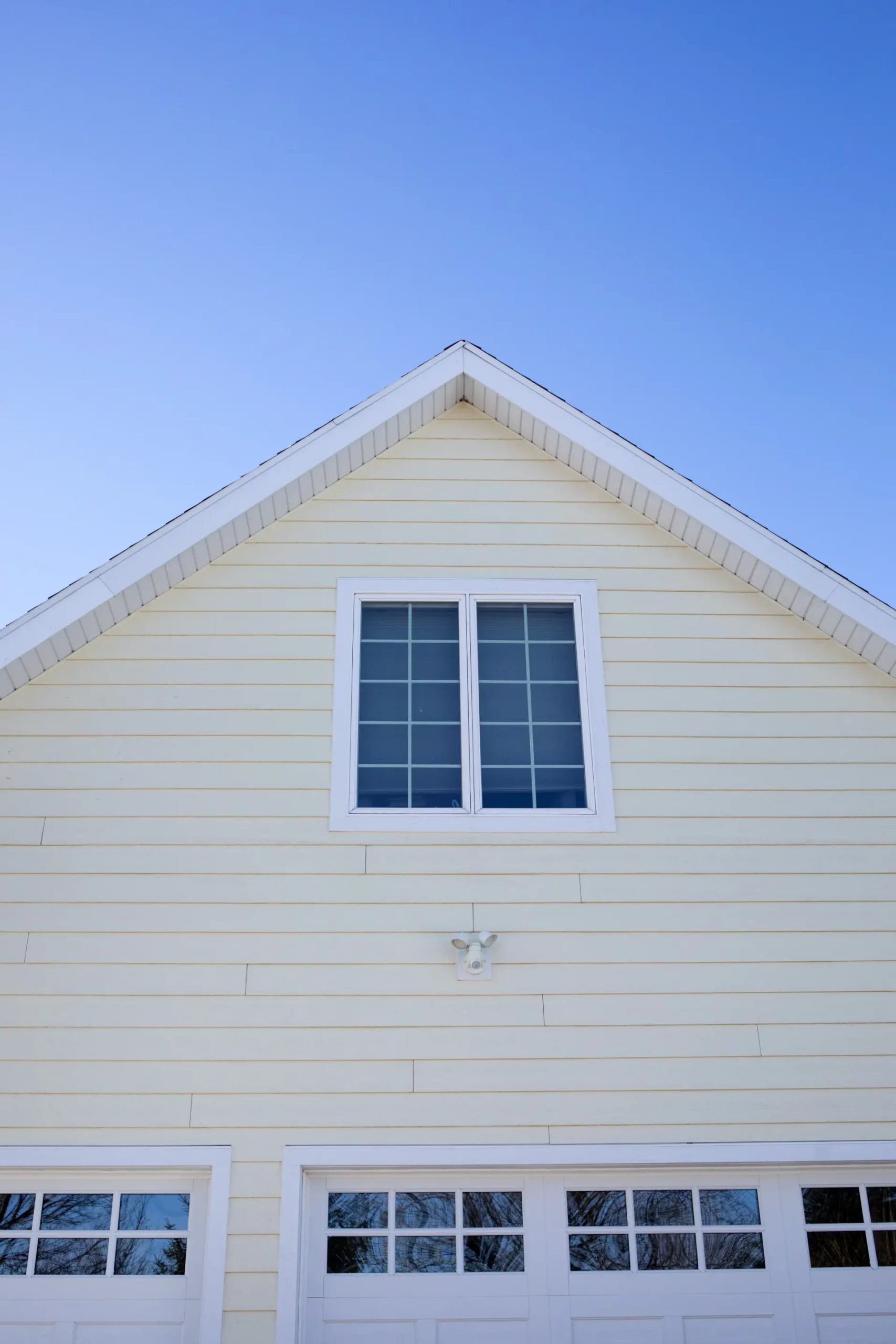
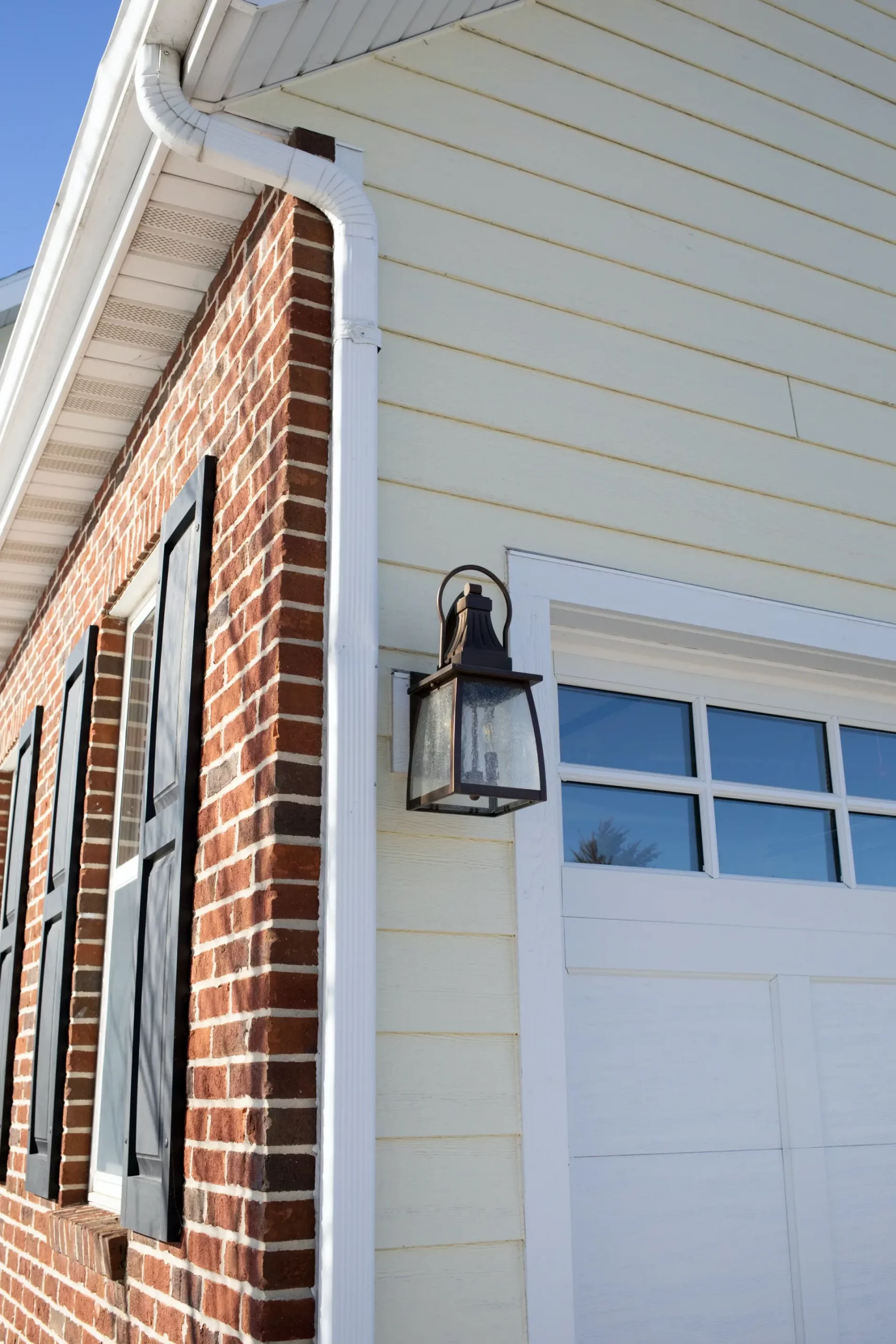
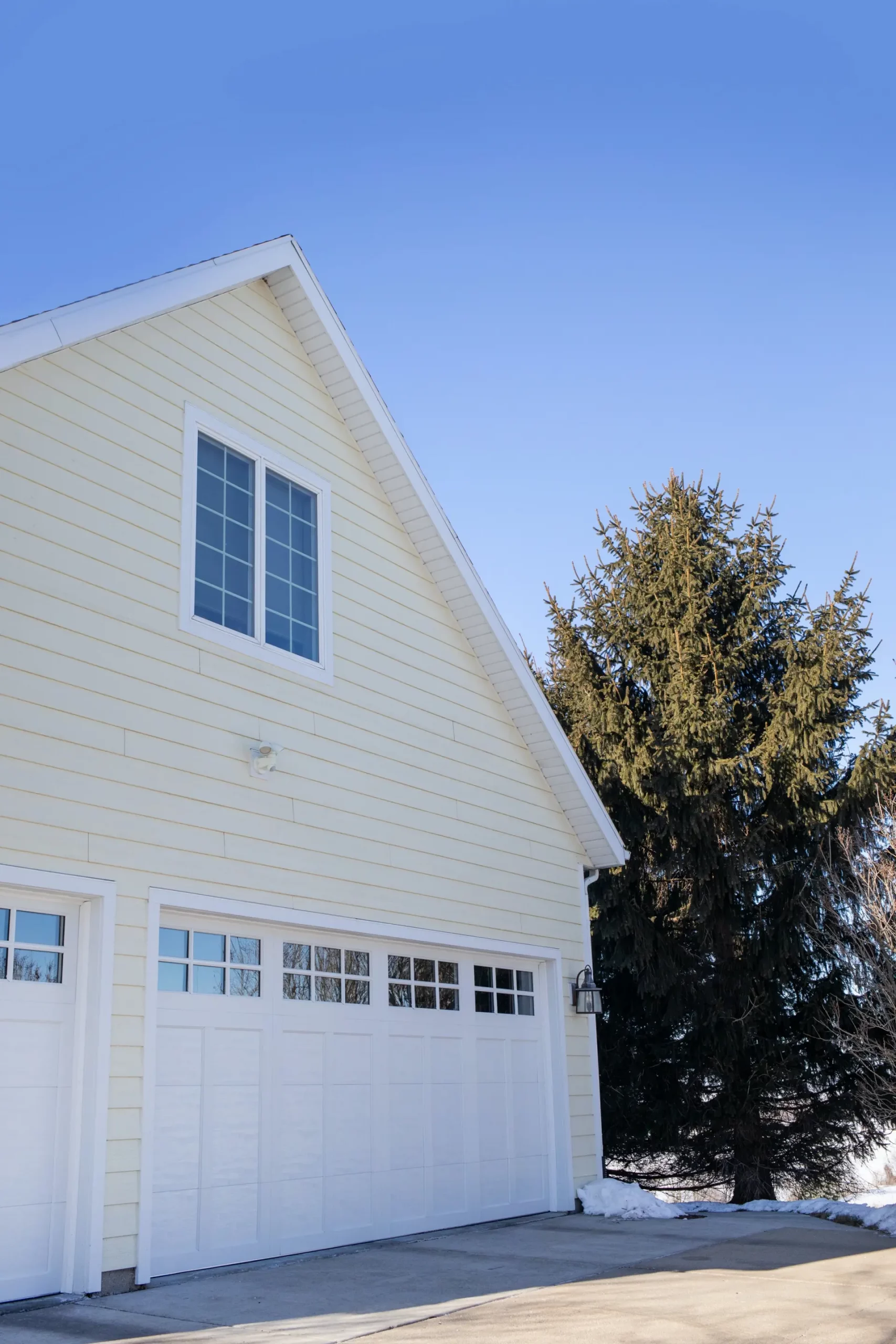
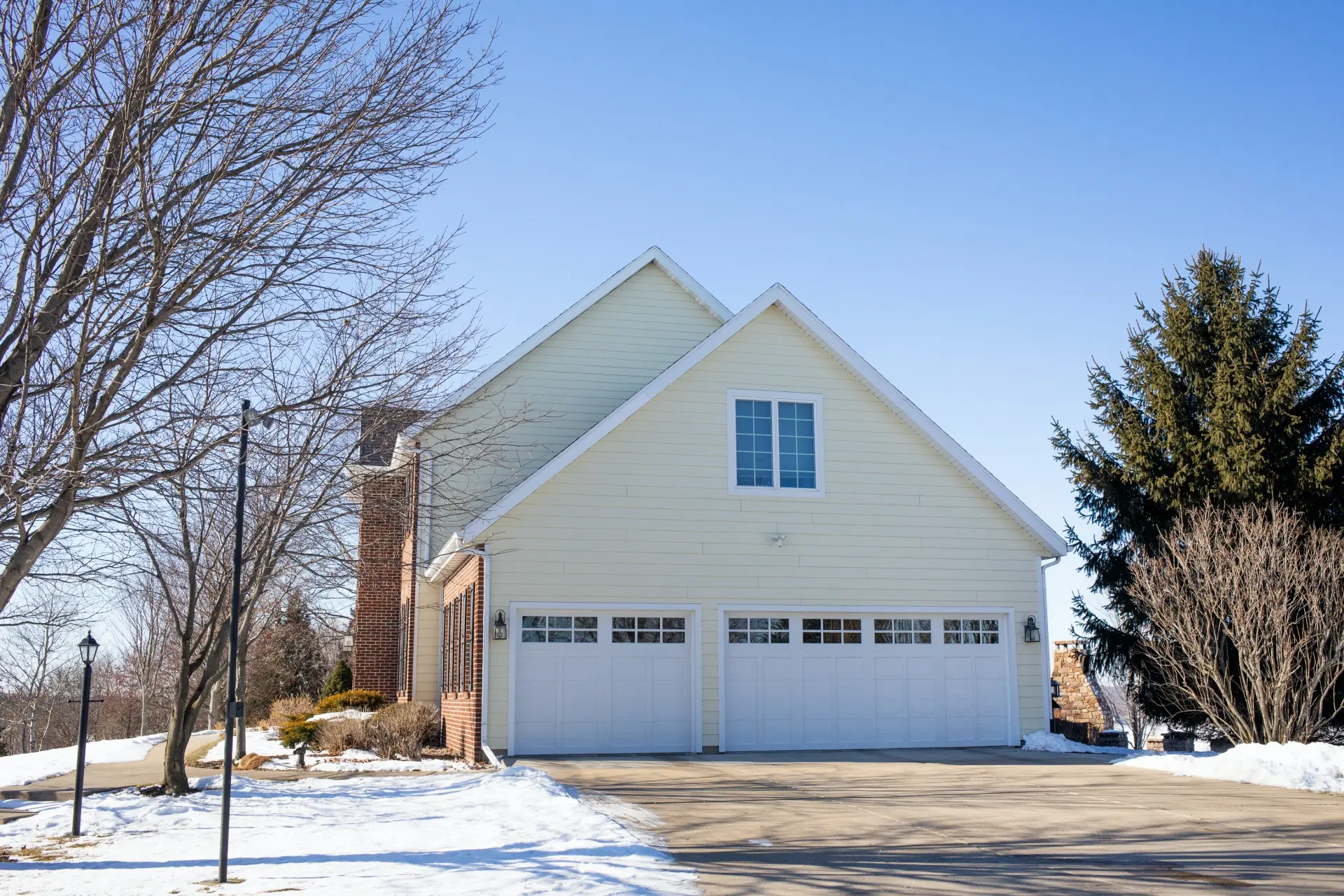
- Garage addition with finished space above
Decision Checklist
Choose A Bump Out If:
- You like your layout and just need breathing room
- You only need one area fixed
- You want fewer moving parts (less plumbing/HVAC relocation)
- Your lot constraints are tight
Choose A Full Addition If:
- You need more than one room improved
- Your layout is the real problem
- You want a suite, multi-room expansion, or accessibility plan
- You’re staying long-term and want the home to fit future life
Mini Cost Factors Table
| Cost Factor | Usually Lower Cost When | Usually Higher Cost When |
| Foundation | Simple footprint, easy access | Complex footprint, poor access, drainage/high water table considerations |
| Plumbing | No plumbing moved | New bath, kitchen relocation, long runs |
| HVAC | Existing system can handle it | New zones, duct changes, equipment upgrades |
| Roofline | Simple tie-in | Multiple roof planes/valleys |
| Finishes | Standard durable finishes | Custom cabinetry, premium tile, built-ins |
Madison-Area Mistakes People Make
Some of these are universal. A couple are very “older neighborhood Madison”:
- Designing first… then realizing setbacks/easements limit the footprint
- Underestimating foundation and drainage needs in areas with wetter conditions
- Adding space but not fixing flow (the house still feels tight)
- Forgetting the “boring stuff” (HVAC returns, lighting plan, storage)
The Older Home Factor
If your home is older, an addition may require matching floor heights, updating outdated wiring or plumbing, and correcting insulation gaps behind existing walls. These details can significantly affect both timeline and budget. For a deeper look at the unique challenges of renovating older properties, read our guide on Why Choose The Best Historic Home Renovation Contractor?
Schedule a consultation to talk through bump out vs full addition options here:
FAQs
Do bump outs need permits in Madison/Dane County?
Usually, yes. You’re changing structure and footprint.
Is a bump out always cheaper than an addition?
Often, but not always. Plumbing moves, roof complexity, and foundation needs can change the math.
What adds the most risk to an addition project?
Late decisions and unknown conditions behind walls in older homes.