Key takeaways
- The smoothest kitchen remodels start with clarity on function, flow, and priorities
- Cabinets, counters, and tile decisions made early reduce surprises and stress
- A clear sequence prevents rework and protects craftsmanship
- Living through a kitchen remodel is easier with a simple temporary routine
- In the Madison area, older layouts and seasonal logistics are real, so plan like a local
Kitchens are where mornings happen. Coffee, lunches, backpacks, dogs underfoot, and somebody always asking where the scissors went. When you remodel a kitchen in Verona or Madison, the big goal is not chasing a perfect timeline. The goal is keeping your household functional while the heart of the home gets rebuilt the right way.
Homeowners often ask for one number. How long will it take. The honest answer is that a lot can affect that, including weather, material availability, inspections, and trade schedules. Instead of pretending every project fits a neat calendar, this guide walks you through the kitchen remodel process step by step so you can plan smart, make decisions early, and avoid the common issues that slow projects down.
Step 1: Define what is not working and what you want instead
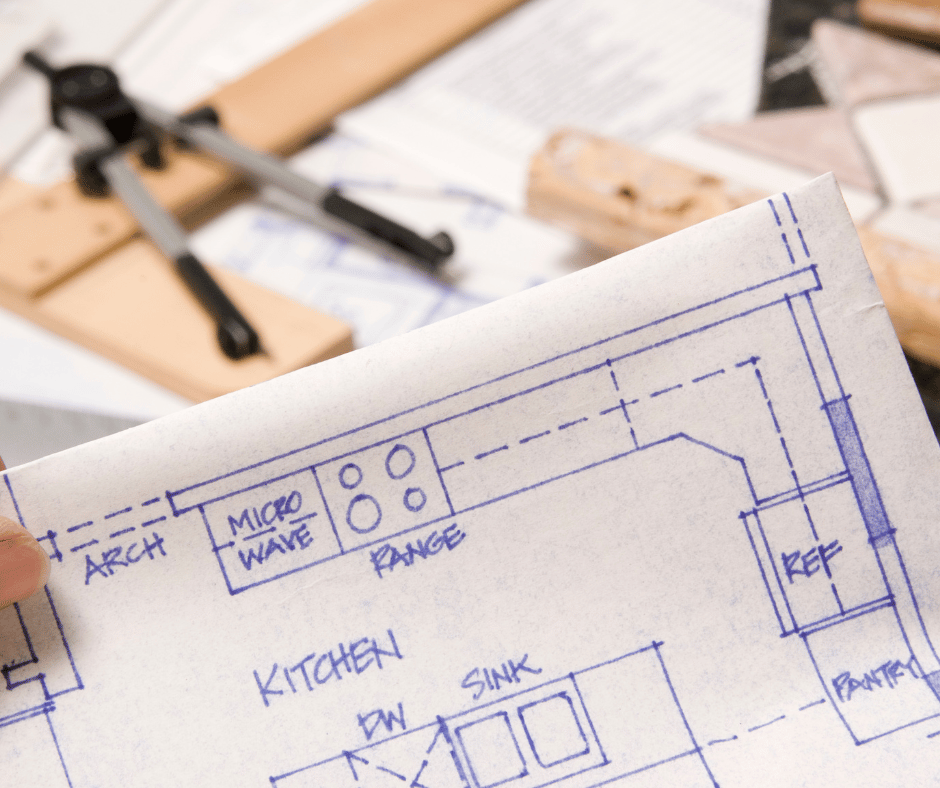
A kitchen remodel starts with function, not finishes. Before you talk about tile patterns, get clear about how the kitchen needs to work for your day to day life.
Start with these questions:
- Where do traffic jams happen
- Can two people cook at the same time without bumping into each other
- Do you have enough prep space
- Is storage working, or are you playing cabinet Tetris every day
- Is the lighting good enough for real cooking, not just ambiance
- What are your top three must haves
Local note: a lot of kitchens in this area live inside ranch homes, split levels, and older floor plans where doorways and partial walls create bottlenecks. Sometimes the biggest improvement is not more square footage. It is smarter flow.
Step 2: Decide what kind of remodel you are actually doing
Not every kitchen remodel is the same project. Clarity here prevents scope creep and budget surprises.
Most kitchen projects fall into one of these categories:
- Cosmetic refresh
Paint, lighting, hardware, minor updates, limited disruption - Partial remodel
New cabinets and counters, maybe flooring, minimal layout changes - Full remodel
Layout changes, moving plumbing or electrical, possible wall adjustments, more coordination
Here is a plain truth: the more you change layout and systems, the more planning matters. That is not a scare tactic. That is just reality.
Step 3: Pick your non negotiables before you shop finishes
This is where homeowners either stay in control or get dragged into decision chaos.
Choose your non negotiables first. Examples:
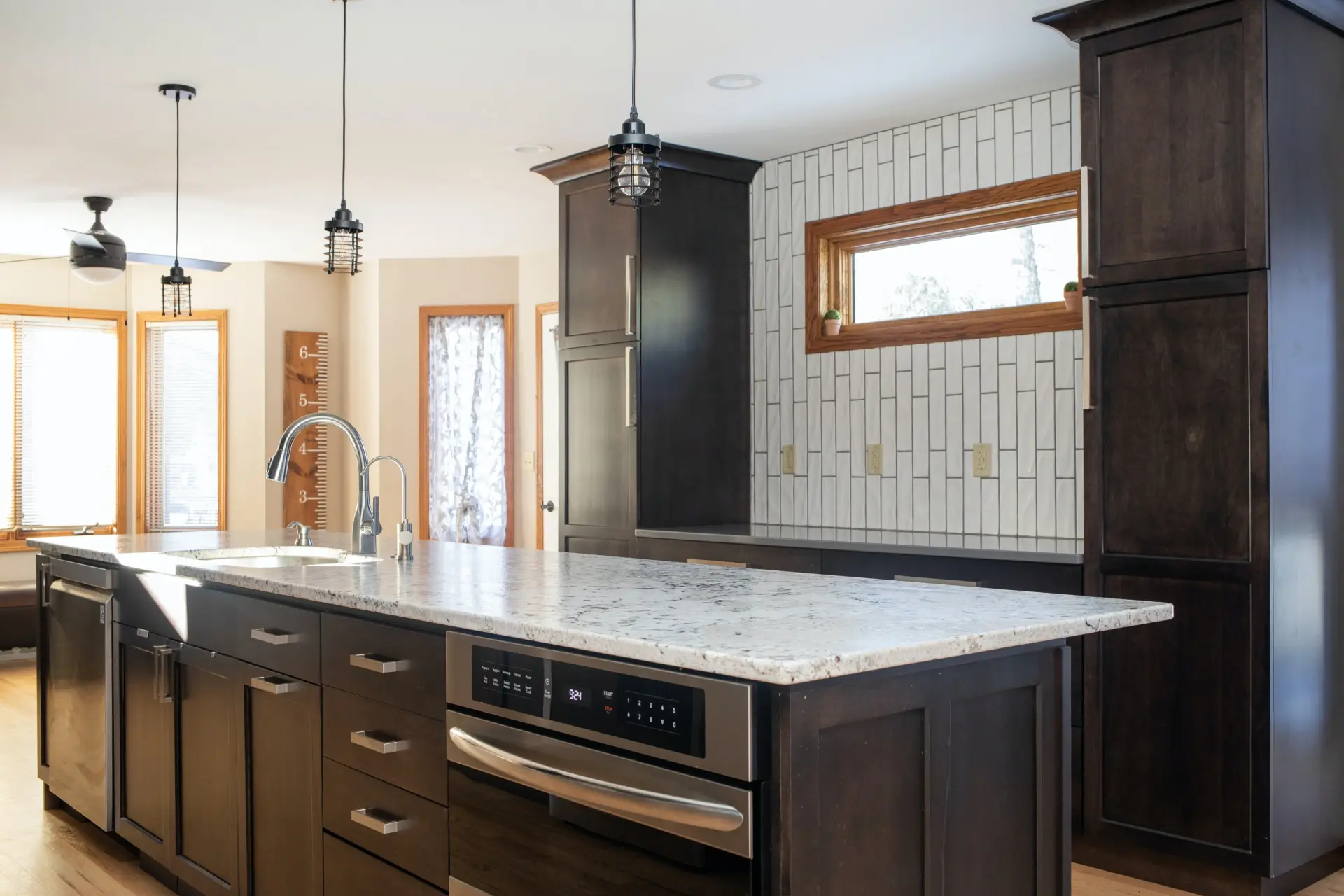
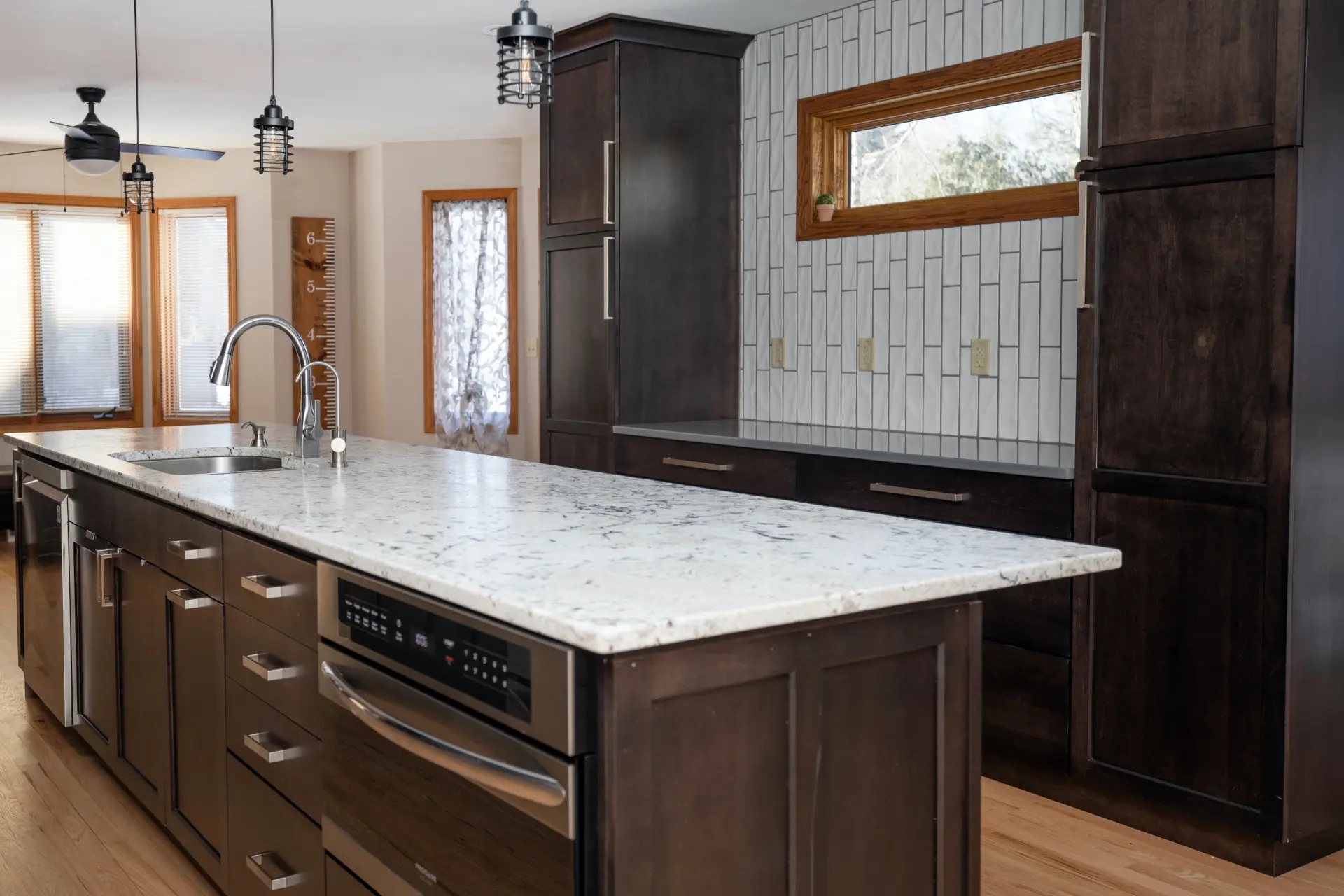
- A bigger island because you actually cook
- More pantry storage
- Better lighting and outlets where you need them
- A layout that stops the fridge door from blocking the main walkway
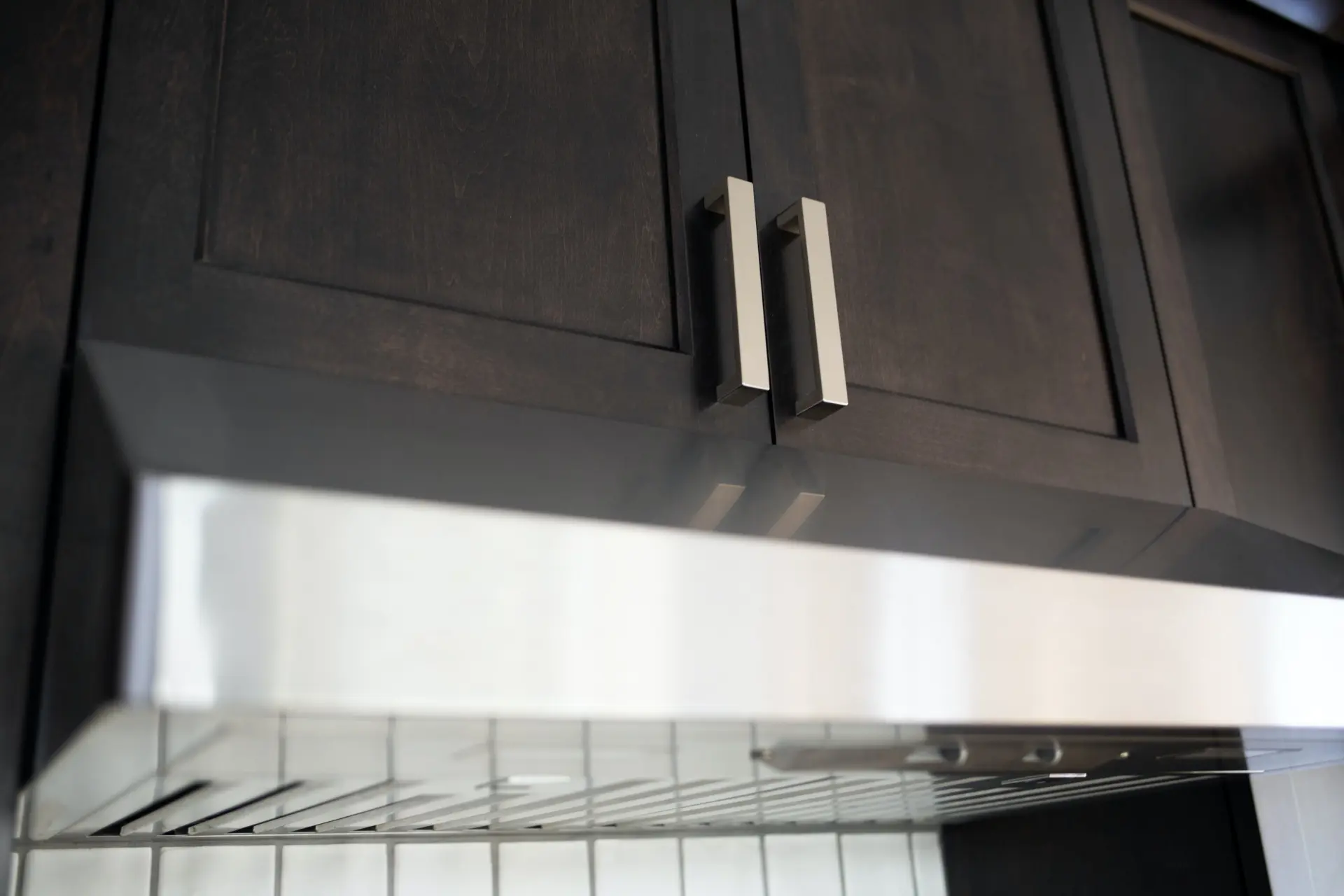
- A vent hood that actually works
We have seen remodels stay smooth because the homeowner chose their priorities early and used them to make decisions quickly. We have also seen projects get stressful because every choice turned into ten, and backorders showed up like uninvited guests. The fix is not rushing. The fix is deciding what matters most before you start ordering.
Step 4: Lock in the decisions that control everything
Some selections are cosmetic. Some selections control the entire plan.
The big schedule and coordination drivers are:
- Cabinets
- Countertop material choice
- Appliances and their exact sizes
- Sink and faucet
- Flooring plan
- Tile and grout
- Lighting plan
Local reality check: winter logistics and supplier lead times are real. Planning early is not about being intense. It is about protecting the project from avoidable frustration. Winter does not care about your tile delivery schedule.
Step 5: Build the plan, then get the estimate
A solid estimate should reflect your actual scope and key selections. That is what makes you feel confident and keeps change orders from multiplying later.
Opinion you can trust: if the estimate is vague, the project will feel vague.
Your estimate should make you feel like you understand what you are buying, not like you are gambling on a number.
This is also the moment to talk through what is included and what is not included. That sounds boring, but it is the difference between confidence and stress later.
Step 6: Prep your home and your household routine
Remodeling a kitchen impacts daily life. Planning your routine reduces friction immediately.
What we tell homeowners before a kitchen remodel:
- Decide your non negotiables early
- Order what takes the longest first
- Plan a temporary coffee and dish routine before demo
- Expect a few days that feel messy and then the momentum returns
- Keep decisions tight once the build is moving
A simple temporary kitchen setup can include:
- Microwave or toaster oven
- Coffee maker and a clear coffee station
- A mini fridge plan if your main fridge is moved
- A dishwashing plan, even if it is a short season of paper plates
- A specific spot for essentials, like snacks, meds, and school lunches
The goal is not gourmet. The goal is function.
Step 7: Demo and rough work
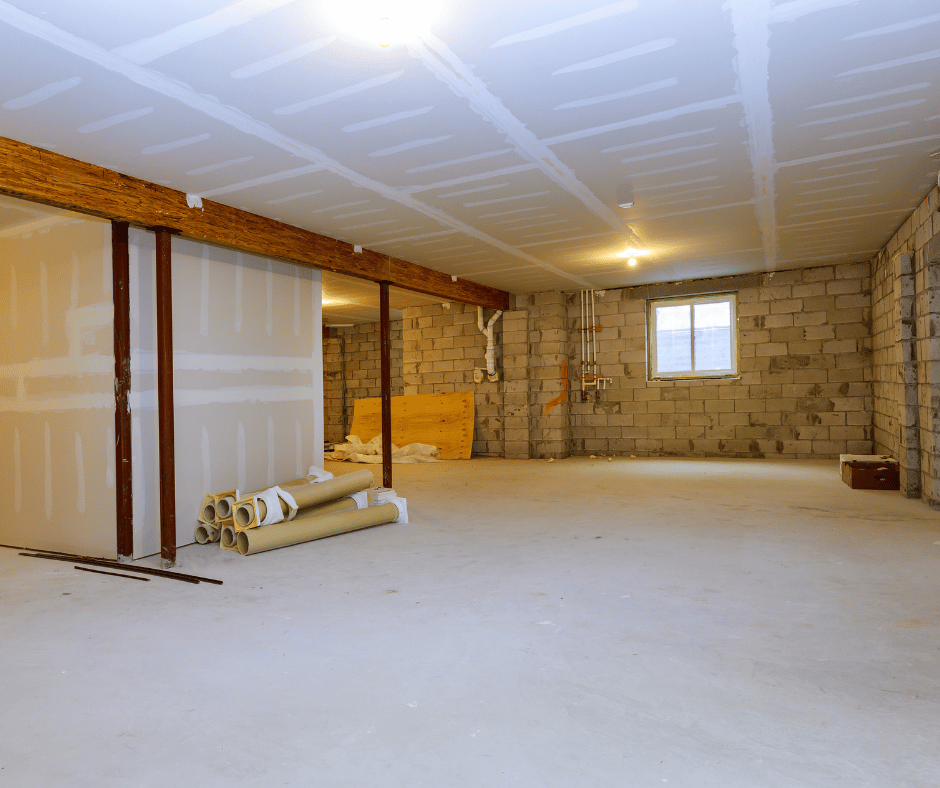
Demo is loud. It is also the moment where progress becomes visible. Once demo is complete, the real work begins behind the walls.
This phase usually includes:
- Framing adjustments if needed
- Plumbing rough in
- Electrical rough in
- HVAC changes if needed
- Inspections when applicable
Hidden conditions can appear in this phase, especially in older homes. Outdated wiring. Old plumbing surprises. Water damage. The key is fast communication and documented decisions. That is how you stay in control.
Step 8: Close the walls and rebuild the surfaces
Once rough work is complete, the walls get closed and surfaces return.
This phase includes:
- Insulation updates if needed
- Drywall installation
- Drywall finishing and prep
- Primer and paint
Drywall finishing is one place you do not want shortcuts. Rushing it leads to visible flaws later, and kitchens are bright spaces where flaws show up fast.
Step 9: Install the big components
This is when the kitchen starts feeling like a kitchen again.
Big component installs typically include:
- Cabinets
- Flooring depending on design sequence
- Countertop templating and install
- Backsplash tile
- Sink and faucet install
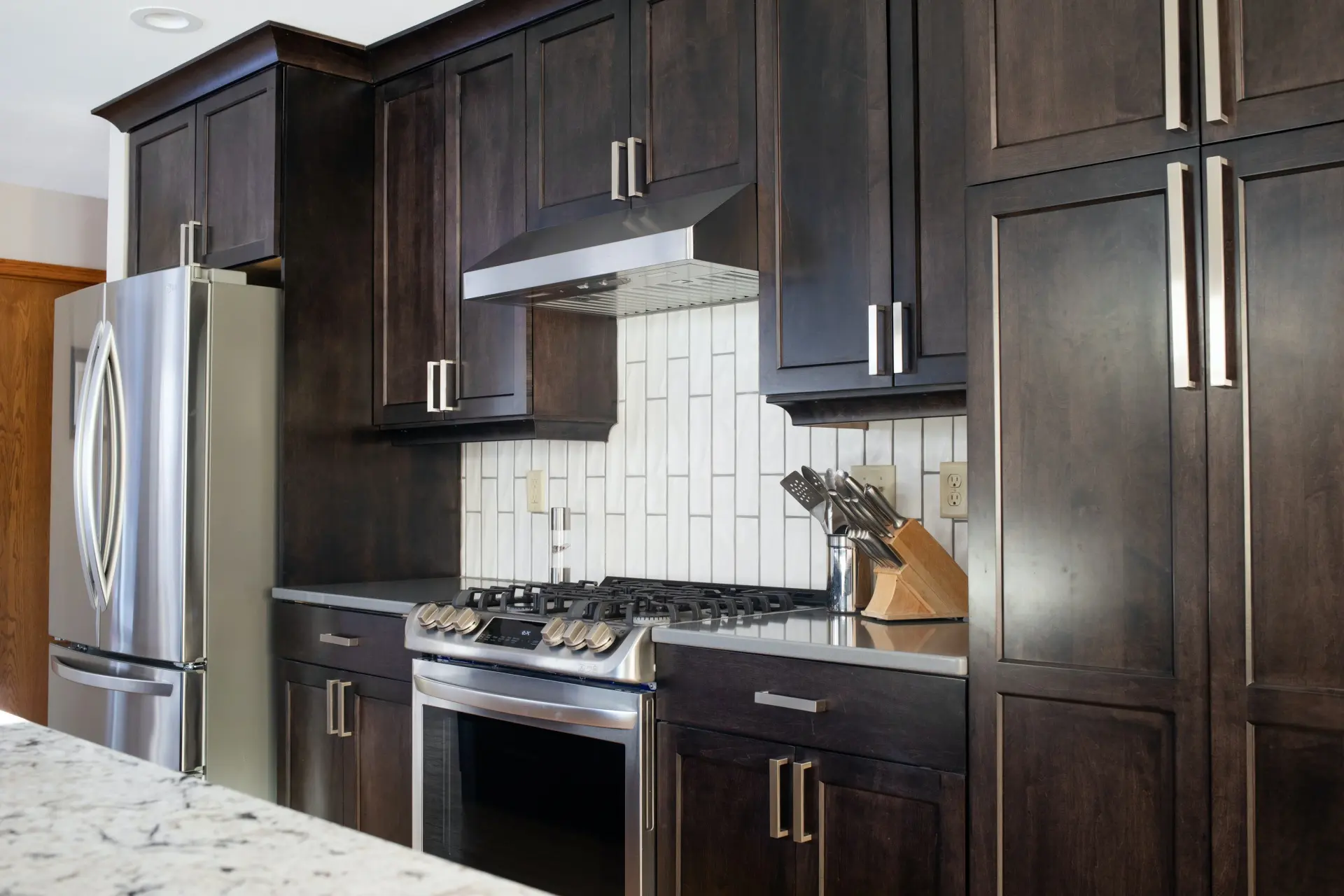
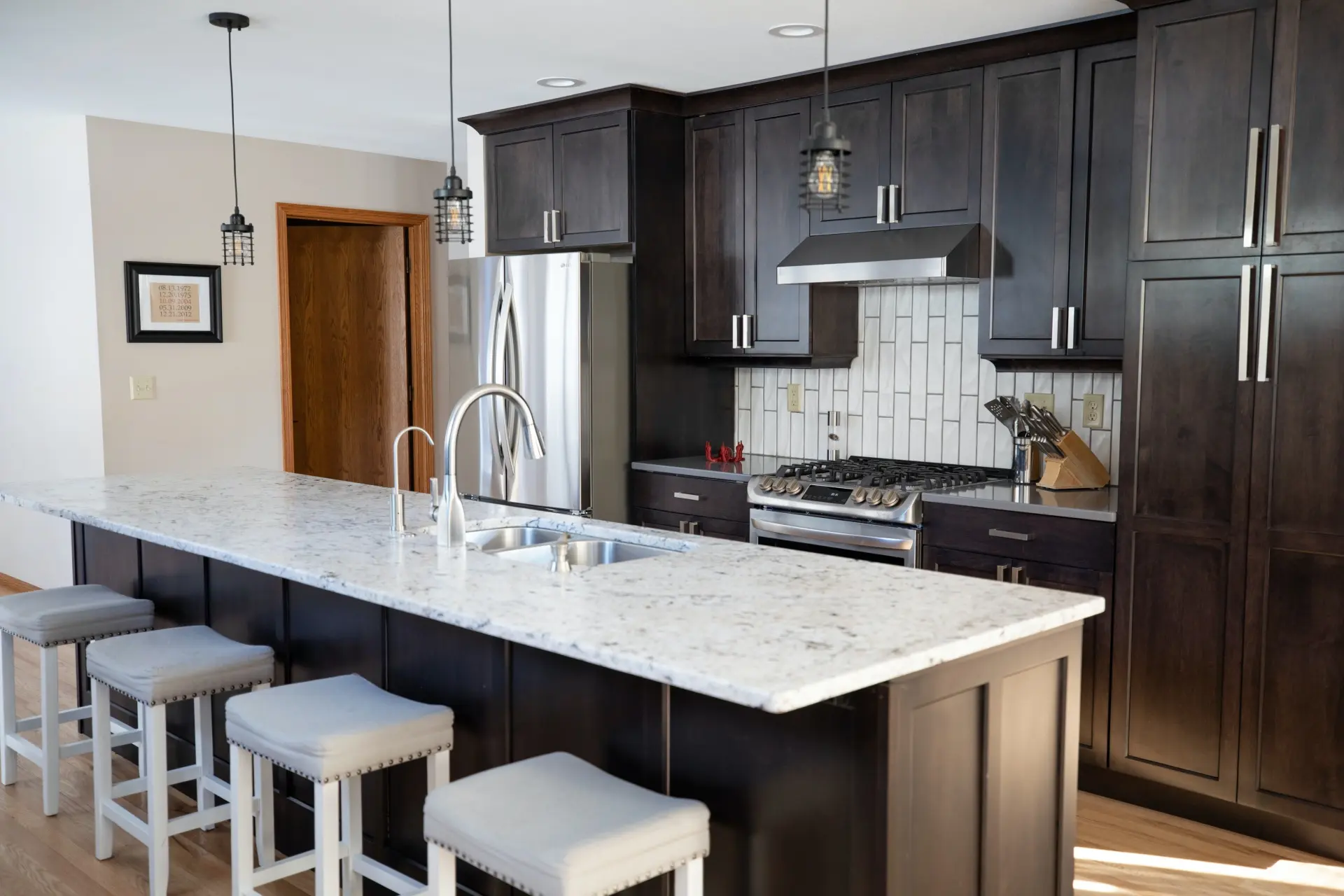
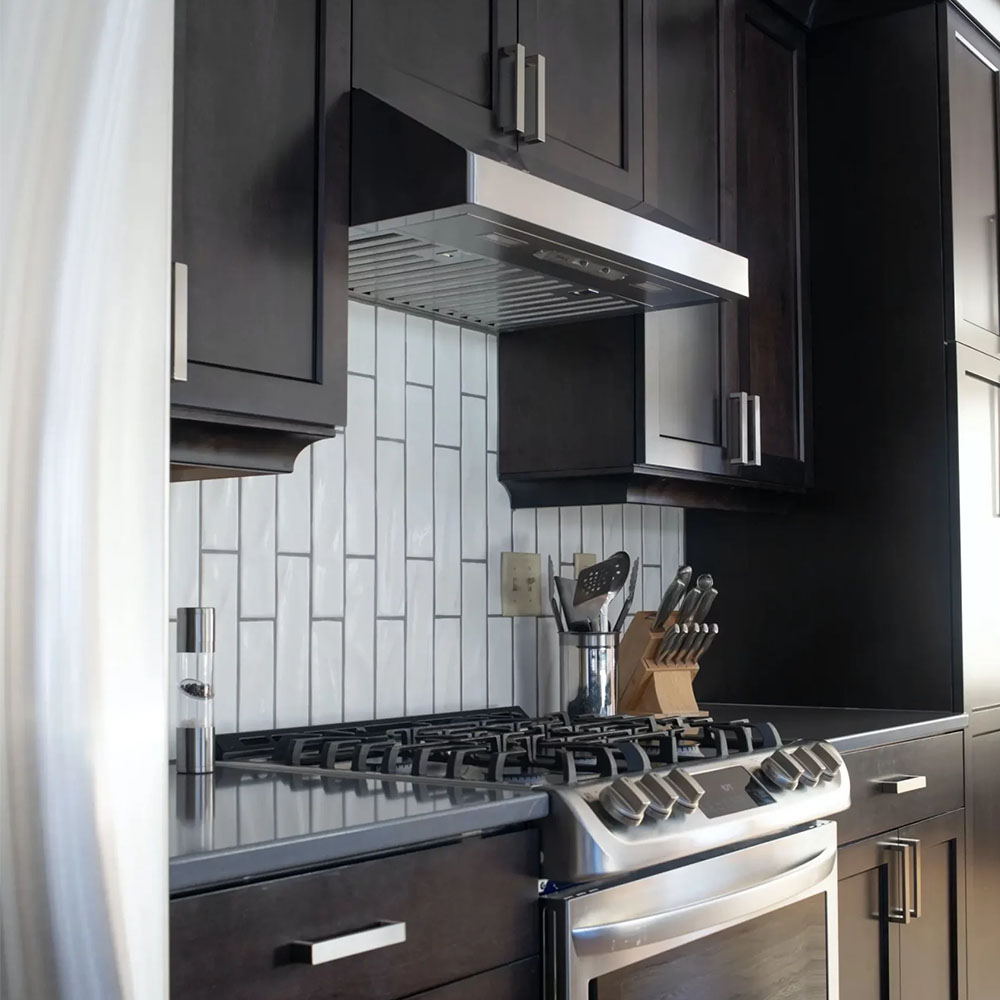
Cabinets define the geometry. Counters define the work surface. Backsplash ties the look together. This is also where good planning pays off, because the parts fit and the sequence flows.
Step 10: Finish details and final walkthrough
This is where the remodel stops looking like a project and starts feeling like home.
Finish work includes:
- Lighting fixtures
- Hardware
- Appliance install and connections
- Trim and touch ups
- Final electrical and plumbing connections
- Walkthrough and punch list
A kitchen remodel should not end with a shrug. It should end with a walkthrough and a punch list that tightens everything up.
What keeps a kitchen remodel smooth
A lot can affect timing. What you can control is clarity.
Here is what prevents most problems:
- Confirm appliance sizes early
- Choose cabinets early
- Keep scope changes minimal once construction starts
- Respond quickly to questions
- Build flexibility into expectations without lowering standards
Living through a remodel is a temporary inconvenience. Living with a kitchen you hate is a daily one. The step by step approach is how you trade short term disruption for long term function.
If you are in Verona, Madison, Mount Horeb, McFarland, or Oregon and want a kitchen plan that feels organized and realistic, start with a consultation that produces clear scope and clear selections. That is how you keep the process sane.
FAQs
Do I need a permit for a kitchen remodel
If plumbing, electrical, or structure changes, permits and inspections are common. Your contractor should guide this based on scope.
What decisions should I make first
Cabinets, appliance sizes, and countertop material choice are big drivers. Lock those early to keep the process smoother.
How do we plan a temporary kitchen setup in a smaller home
Focus on coffee, simple meals, and dishes. A microwave, a clear snack station, and a dish plan make a huge difference.
What is the most common reason kitchen remodels get stressful
Unclear scope and late selections. The more decisions float, the more friction shows up later.
How do I avoid rework during the remodel
Get clear plans and selections up front, confirm measurements, and keep changes minimal once construction begins.