Key takeaways
- A great basement starts with moisture control before finishes and furniture
- Comfort comes from insulation, air sealing, and a plan for humidity
- A basement that feels dry in winter can feel humid in late summer, so plan for both
- Lighting and layout determine whether the space feels inviting or forgotten
- The best finished basements feel like part of the home, not a separate world
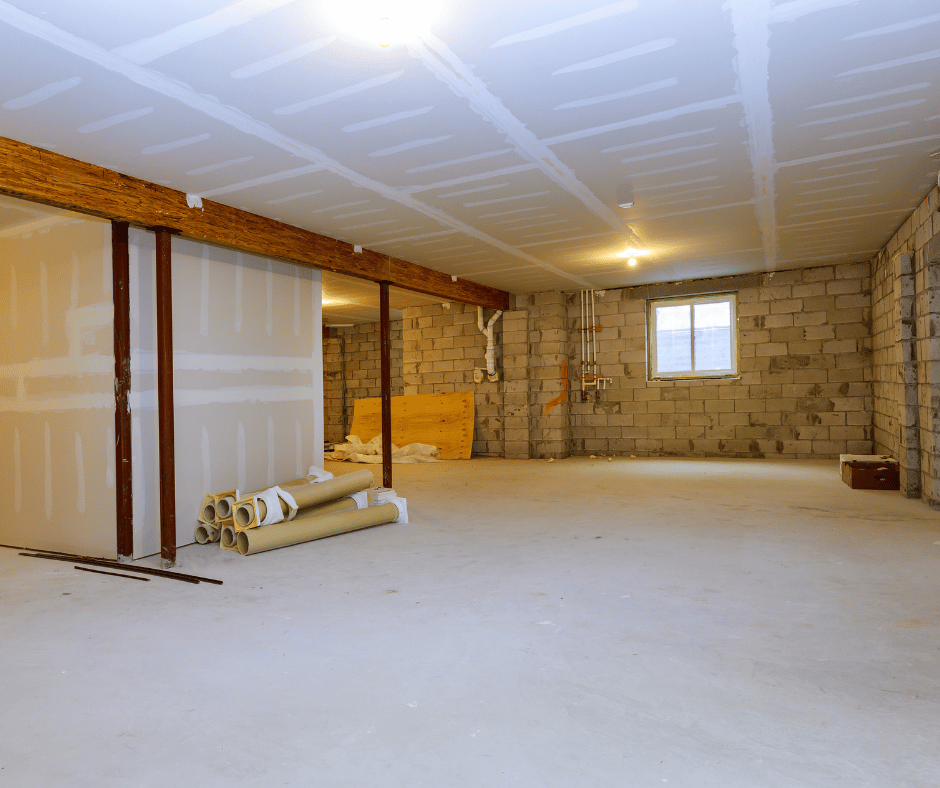
Basements in Wisconsin are full of potential, and also full of reality. In the Madison area, a basement can go from chilly storage zone to the most used space in the house, but only if we respect moisture, comfort, and air movement from the start.
We hear some version of this all the time: the basement is fine, but it feels damp in summer and cold in winter, so nobody uses it. That is not a furniture problem. That is a planning problem. Once you handle moisture and insulation the right way, the space stops fighting you.
Here is how to think about basement finishing in a way that actually works for Dane County homes.
Start with moisture, always
Moisture is the number one risk in basement finishing. Not because basements are doomed, but because basements touch the earth, and the earth has opinions.
A smart basement plan starts outside and works inward.
Key moisture checks to make early:
- Grading and downspouts that move water away from the foundation
- Sump pump and drainage reliability if your home relies on them
- Signs of past intrusion, staining, peeling paint, or that white powder on masonry
- A dehumidification plan for summer humidity
- Materials chosen for below grade conditions, especially flooring
Local reality check: a basement that feels dry in February can feel humid in July. Spring thaw and summer humidity can change how the space behaves. Planning for both seasons is what makes the finish last and feel good year round.
Air quality matters more than you think
Basements affect whole home air. If radon is a concern in your neighborhood, testing is straightforward and worth doing before finishing is complete. Ventilation and humidity control also shape comfort. A finished basement should not smell like a basement.
Comfort is not just temperature. It is dryness, airflow, and the feeling that the space is clean and fresh.
Insulation and air sealing for real comfort
A basement can look beautiful and still feel unpleasant if it is cold or drafty. Comfort comes from insulation and air sealing.
Comfort priorities that pay off:
- Insulate foundation walls appropriately
- Air seal rim joists and penetrations
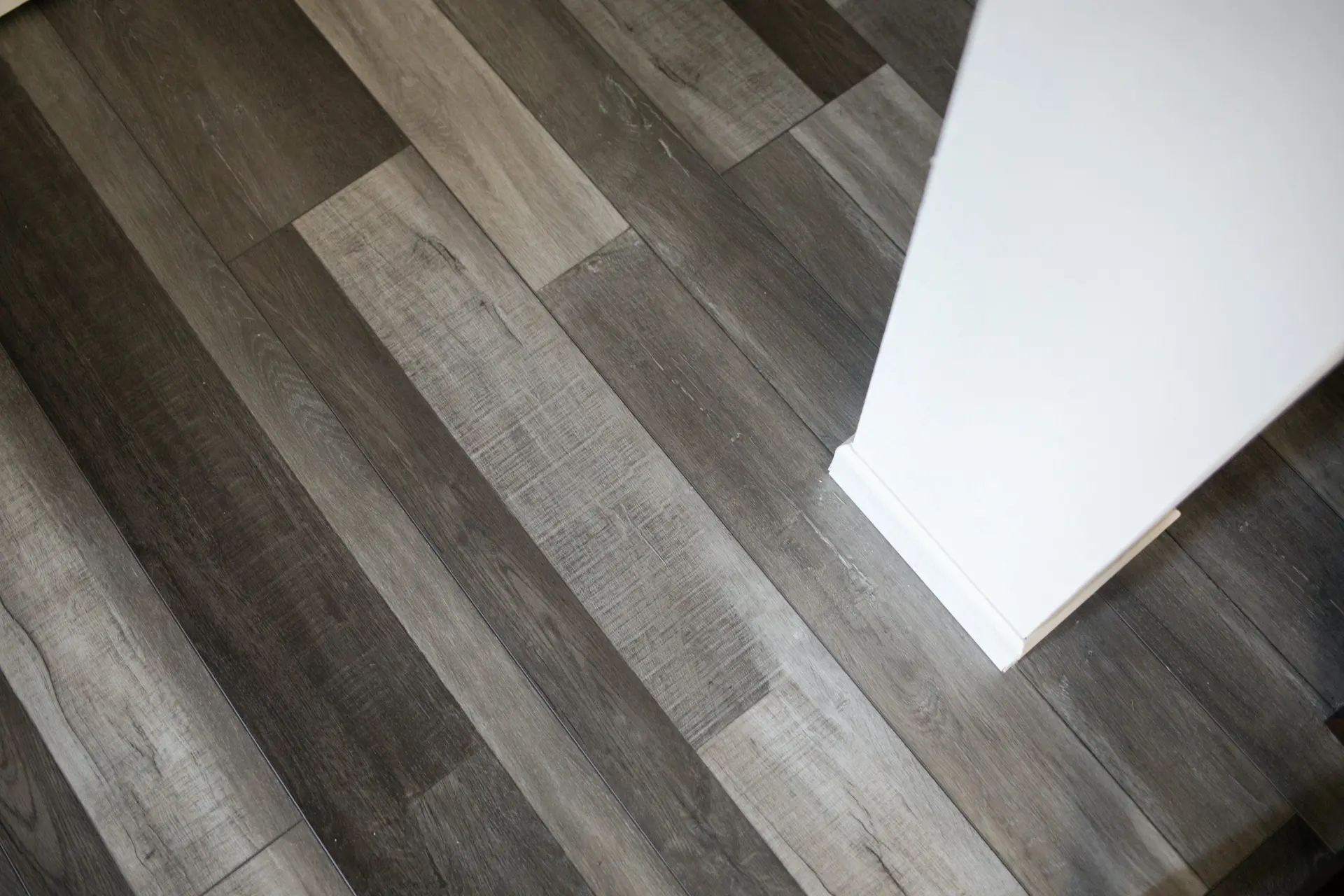
- Choose flooring that does not feel icy underfoot
- Plan heating and cooling that matches how you will use the space
If the basement is a guest space or office, comfort moves from nice to have into must have.
Layout that works for real life
Basement layouts go wrong when people treat the space like a blank box. The better approach is to design around routines.
Start by defining zones:
- Main living zone, seating or entertainment
- Work zone, office or hobby space
- Guest zone if needed
- Storage zone, planned on purpose
- Utility access zone, so you can reach panels and mechanicals
A basement should feel finished without blocking practical access. Nobody wants to cut open a wall later because the shutoff valve is trapped behind drywall.
Lighting that makes the space feel human
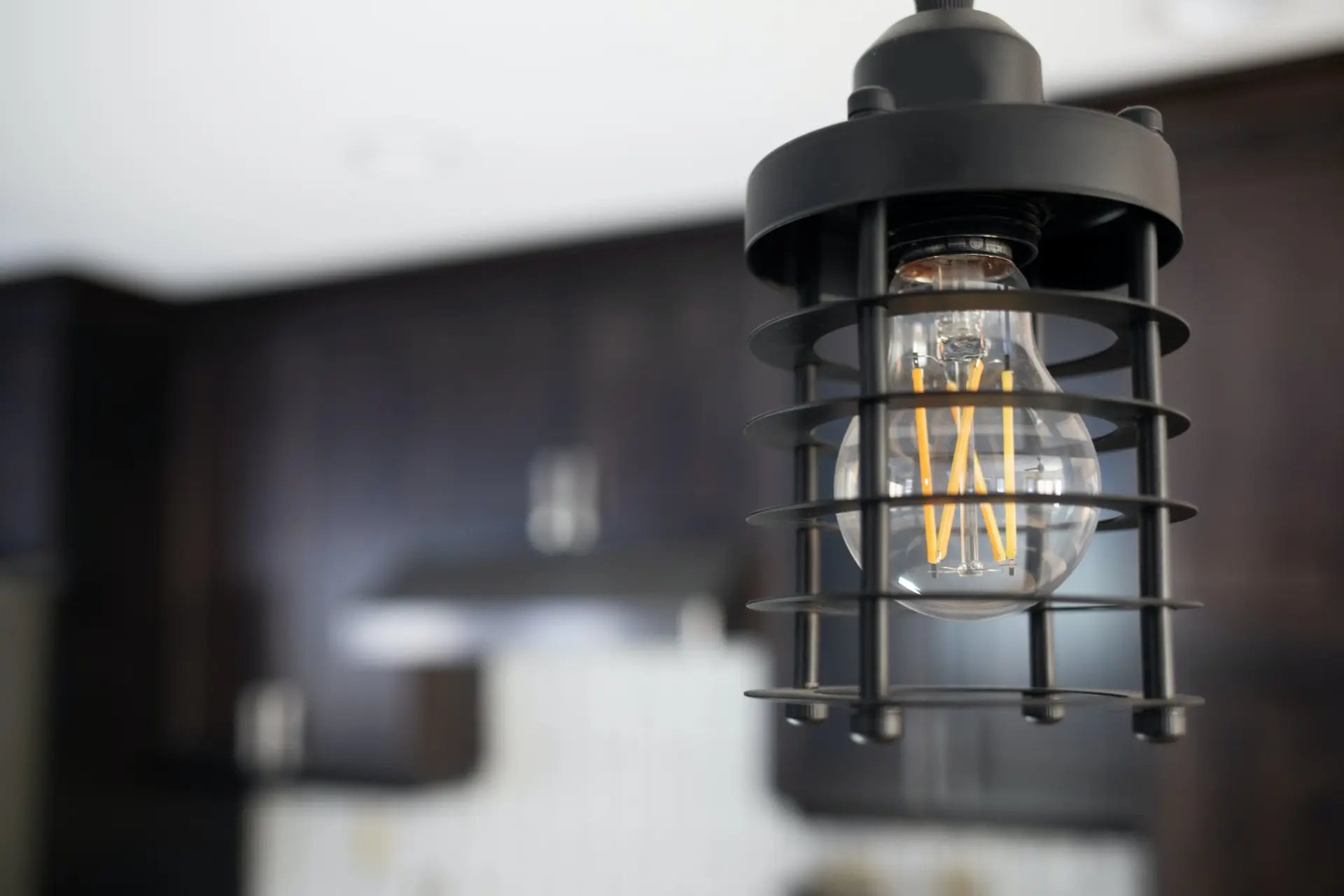
Basements often suffer from flat, dim lighting. The fix is layered lighting. Think about light the way you think about seating: in zones, not as one big overhead solution.
A simple lighting plan includes:
- General lighting for the main space
- Task lighting for desks, hobbies, or reading
- Accent lighting for shelves, art, or feature walls
- Stair lighting for safety
Small windows can make basements feel closed in. Lighter wall colors, thoughtful fixture placement, and reflective surfaces can make the space feel brighter.
Flooring and ceiling choices that age well
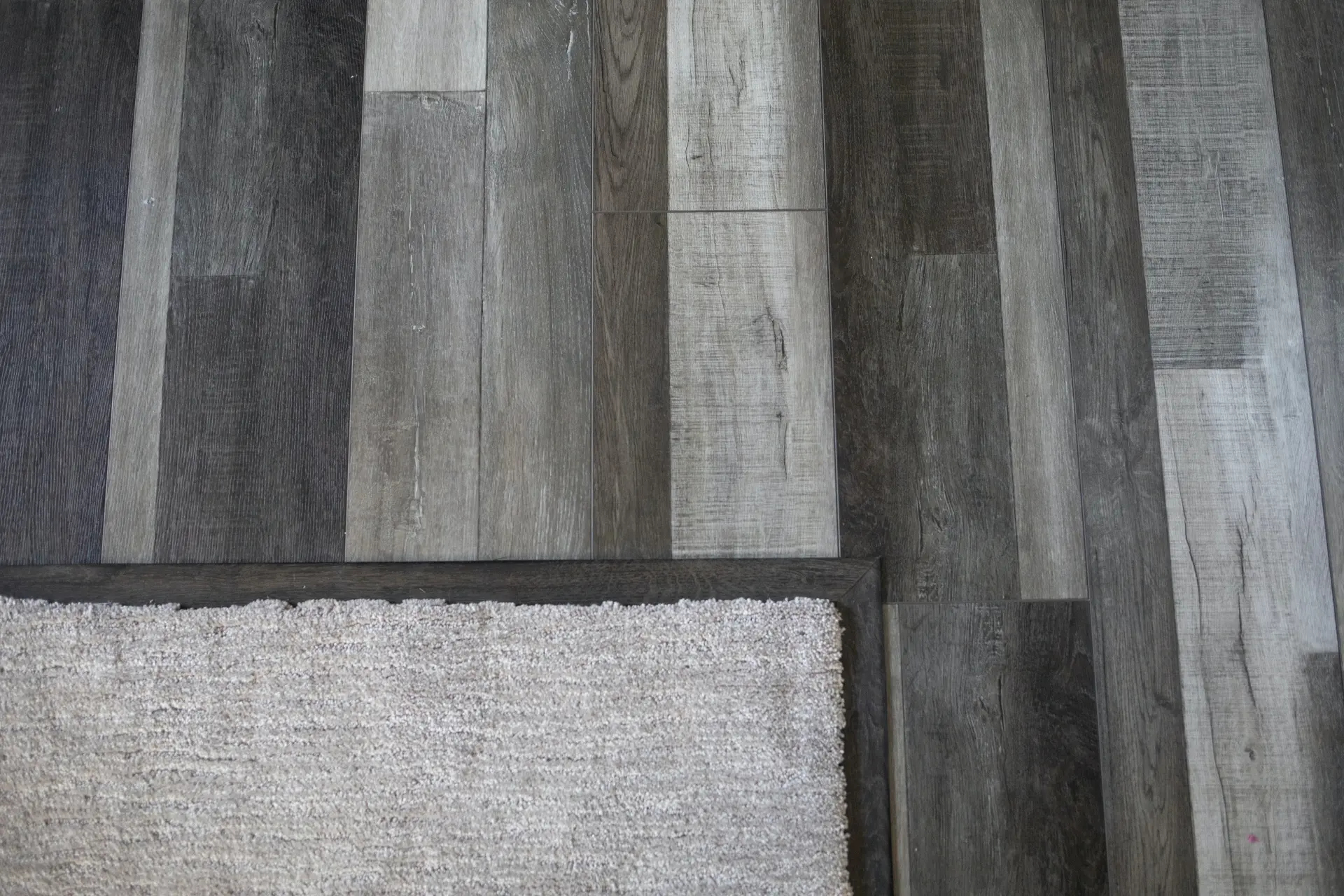
Flooring needs to handle humidity swings. Some materials handle below grade conditions better than others. Ceiling choices also affect both style and access. A clean finished ceiling looks great, but access to pipes and wiring becomes harder.
The right choice depends on your priorities. The wrong choice is copying an upstairs solution without considering basement reality.
Opinion you can trust: if you skip moisture and comfort planning, you will spend more later trying to fix what you should have addressed first.
Sound and privacy, especially in busy homes
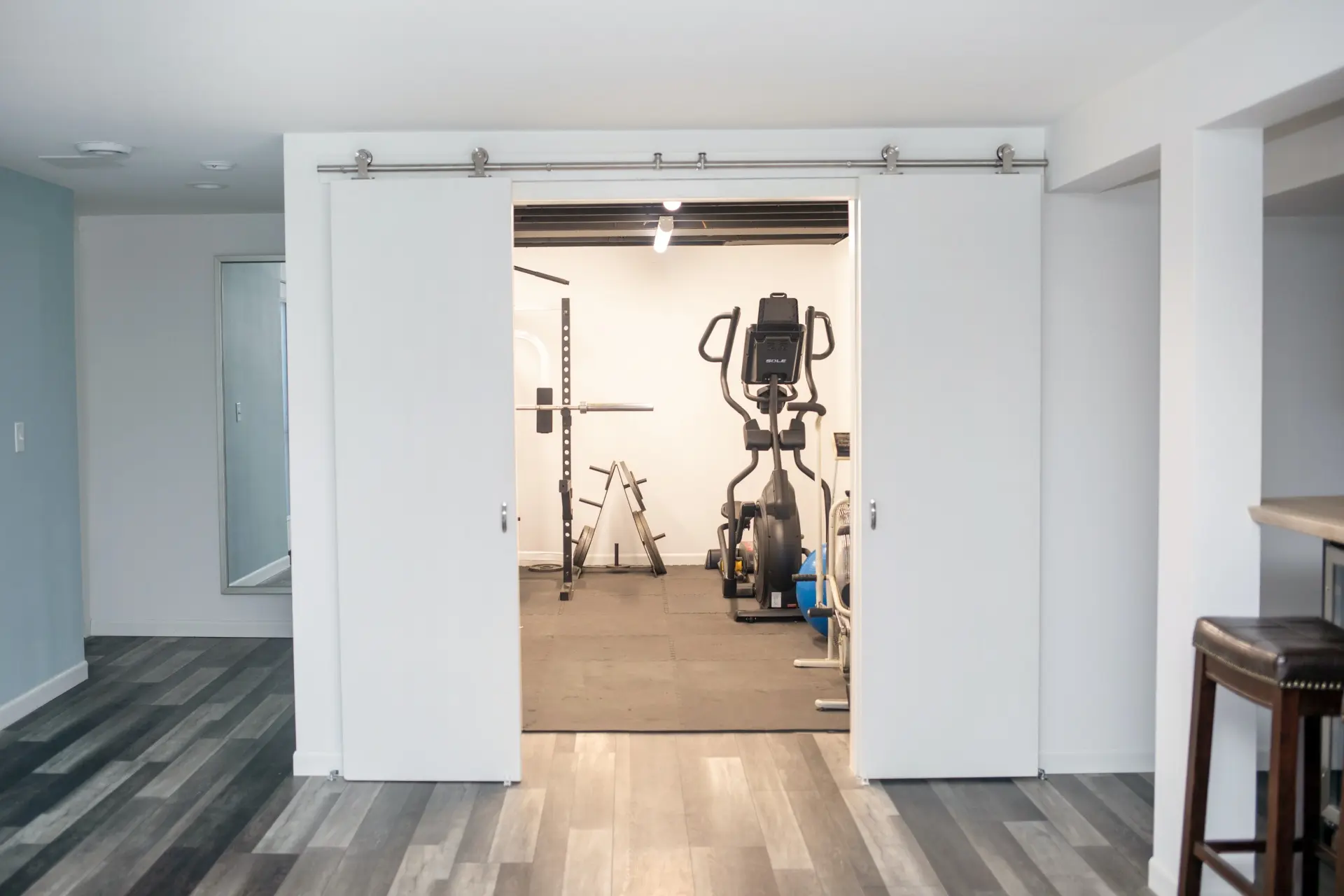
Basements often become movie rooms, hangout spaces, or home gyms. Sound control can matter, especially if the basement sits under bedrooms or a home office.
Sound considerations include insulation, door choices, and ceiling decisions. It is easier to plan for sound early than to fight it later.
Timeline expectations
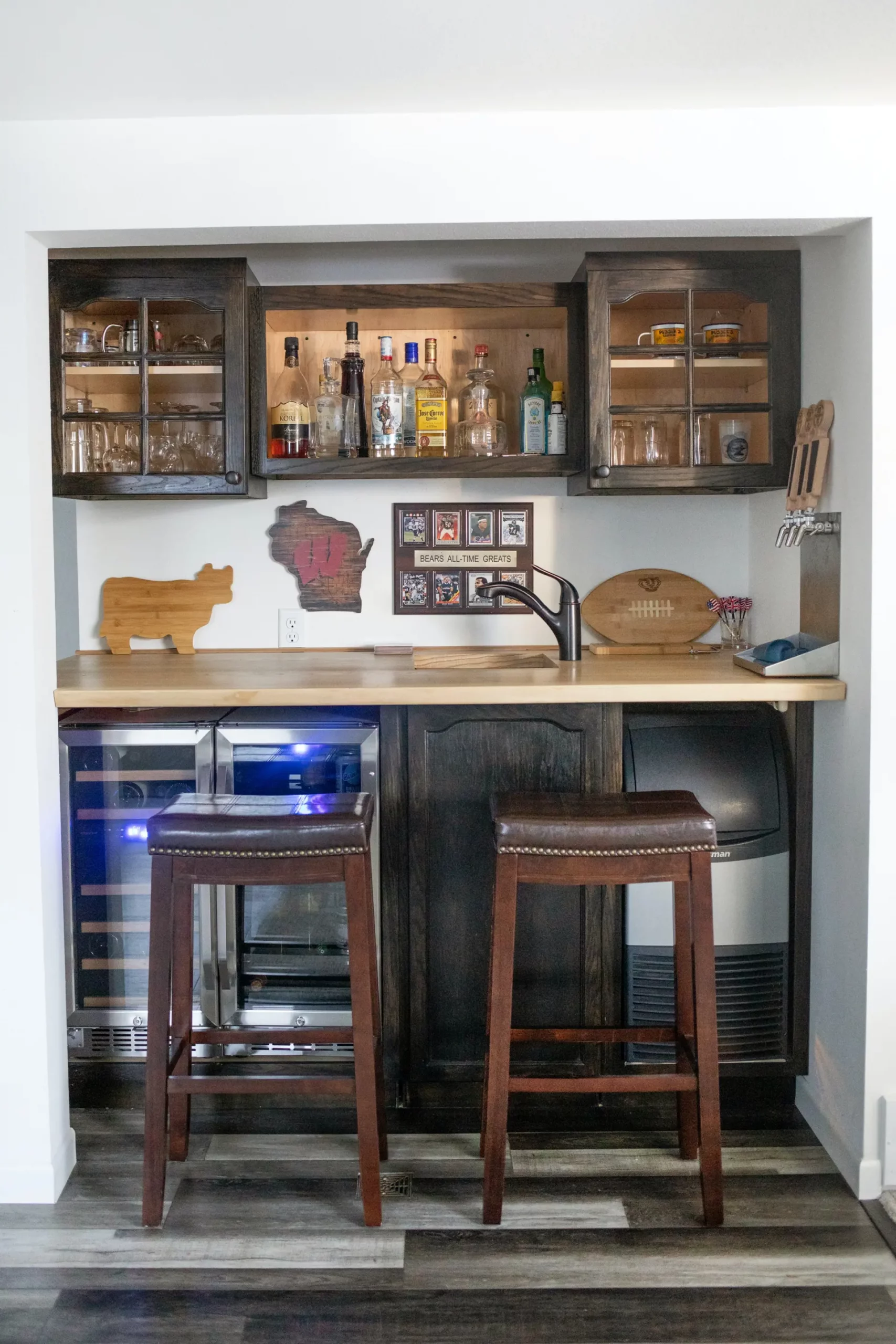
Basement finishing timelines depend on scope. Framing, electrical, plumbing, drywall, flooring, and trim all take time. Adding a bathroom or bar area adds complexity and inspections.
The smoother projects have three things in common: clear scope, early selections, and moisture handled upfront.
How we make a basement feel like part of the home
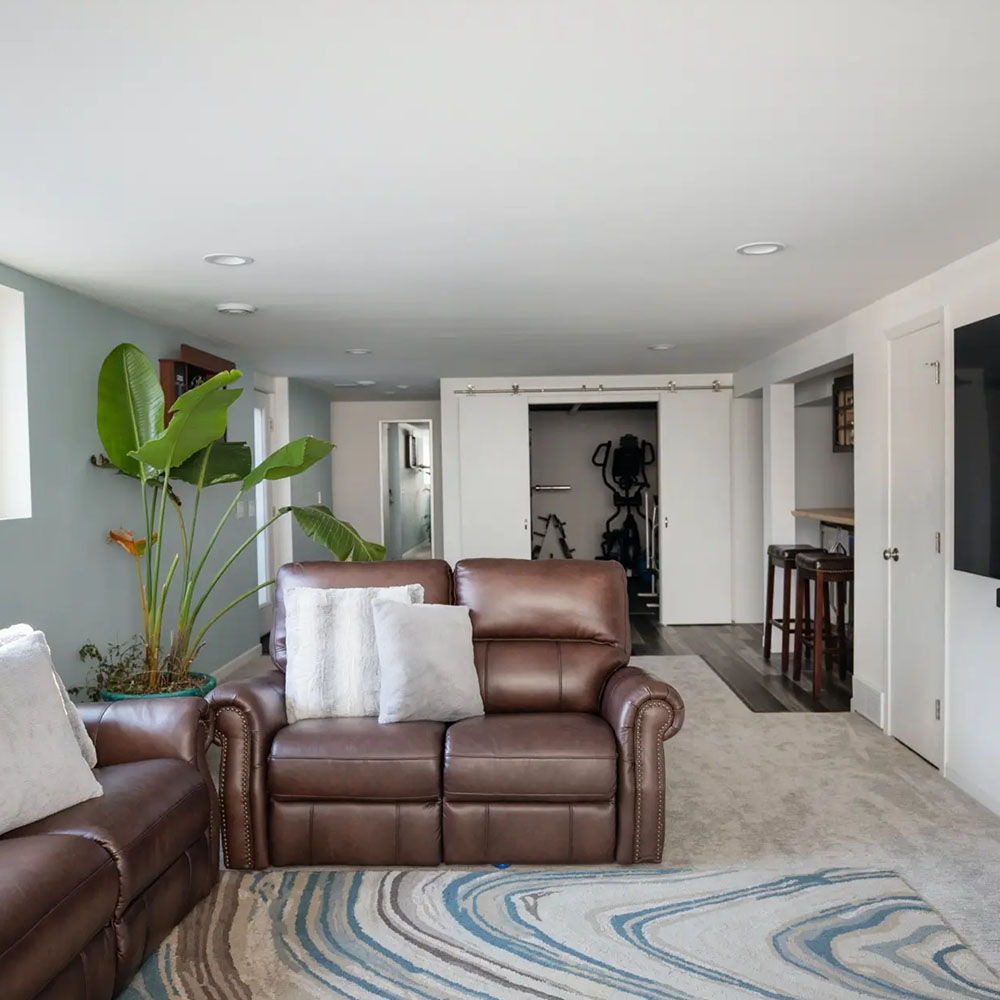
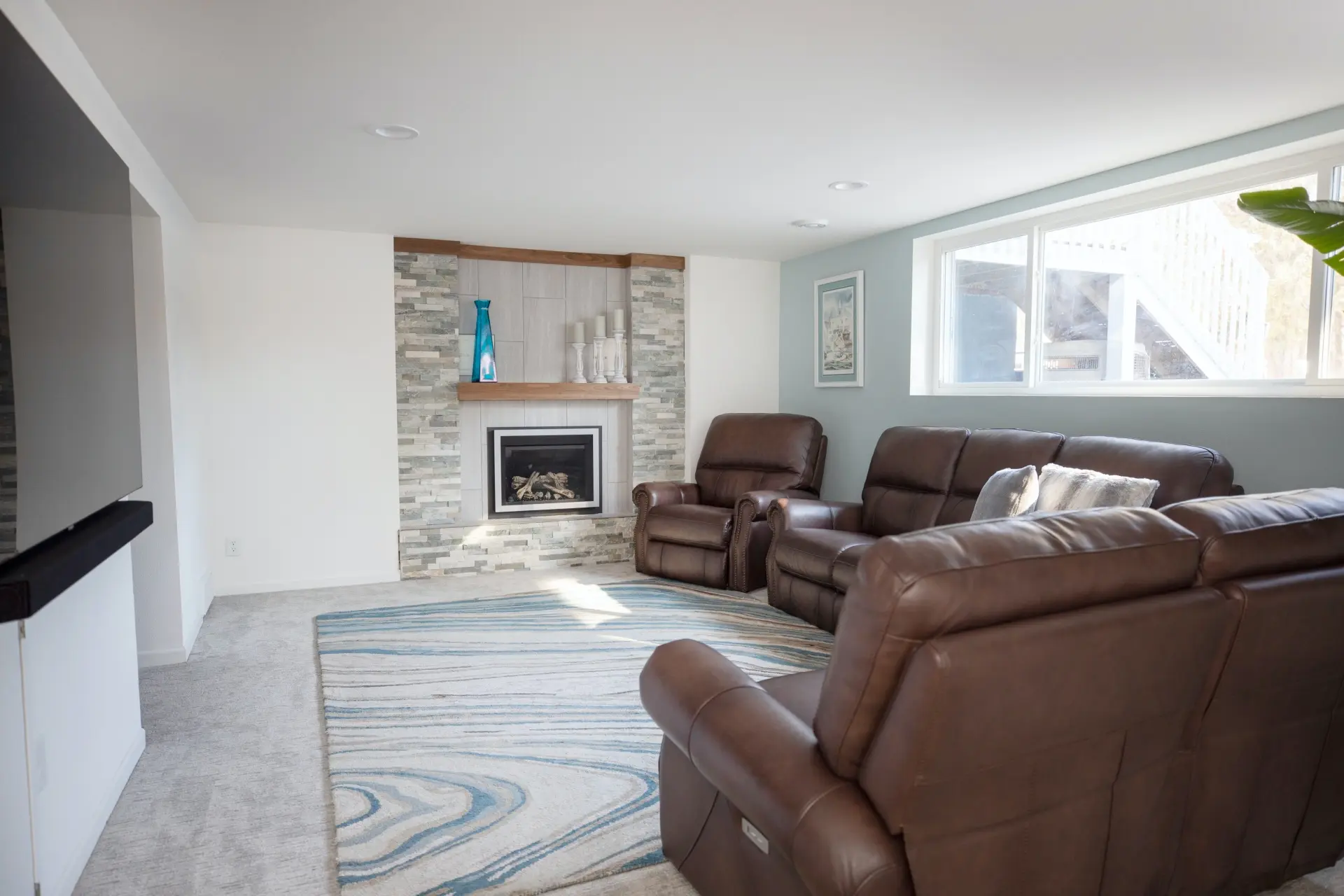
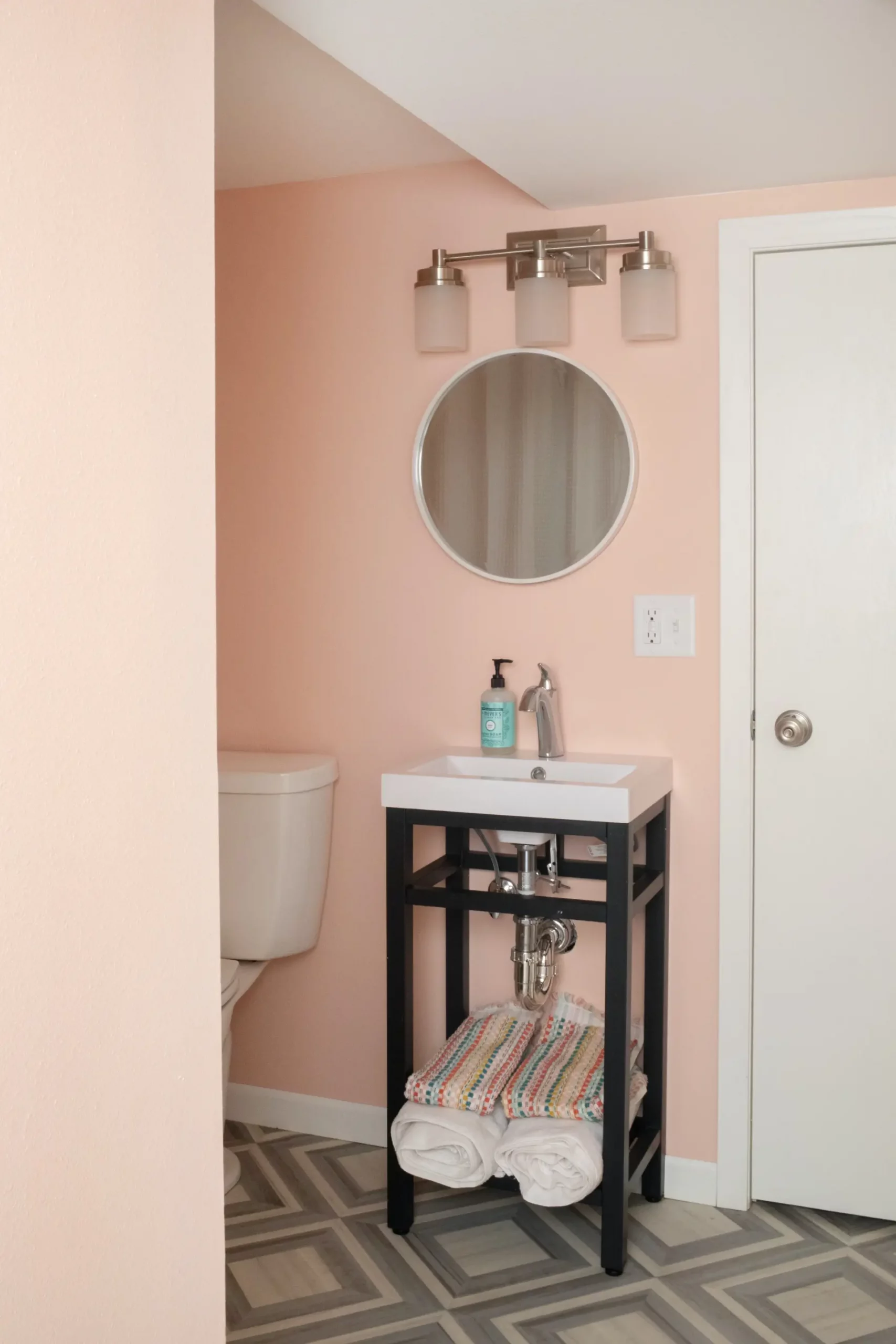
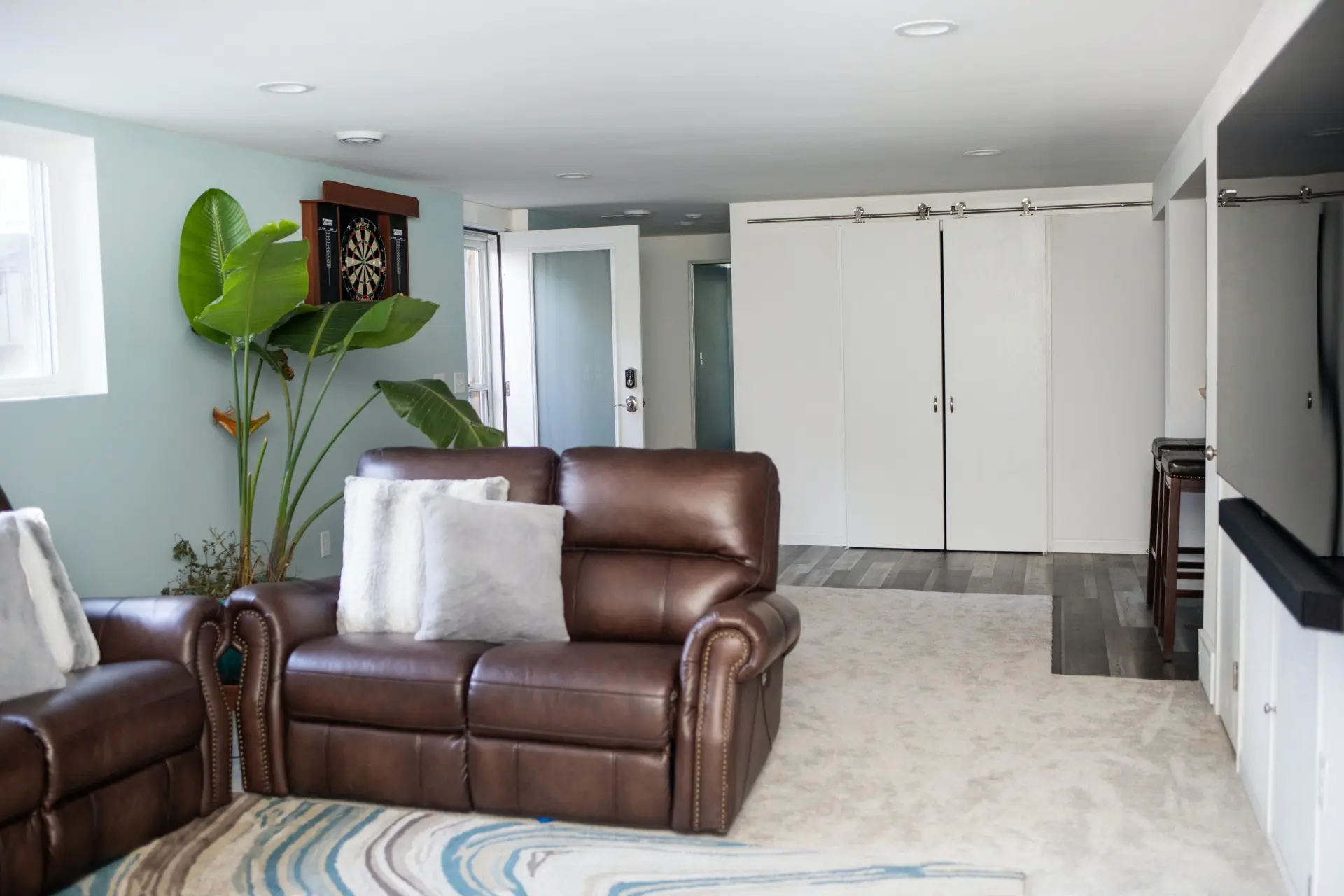
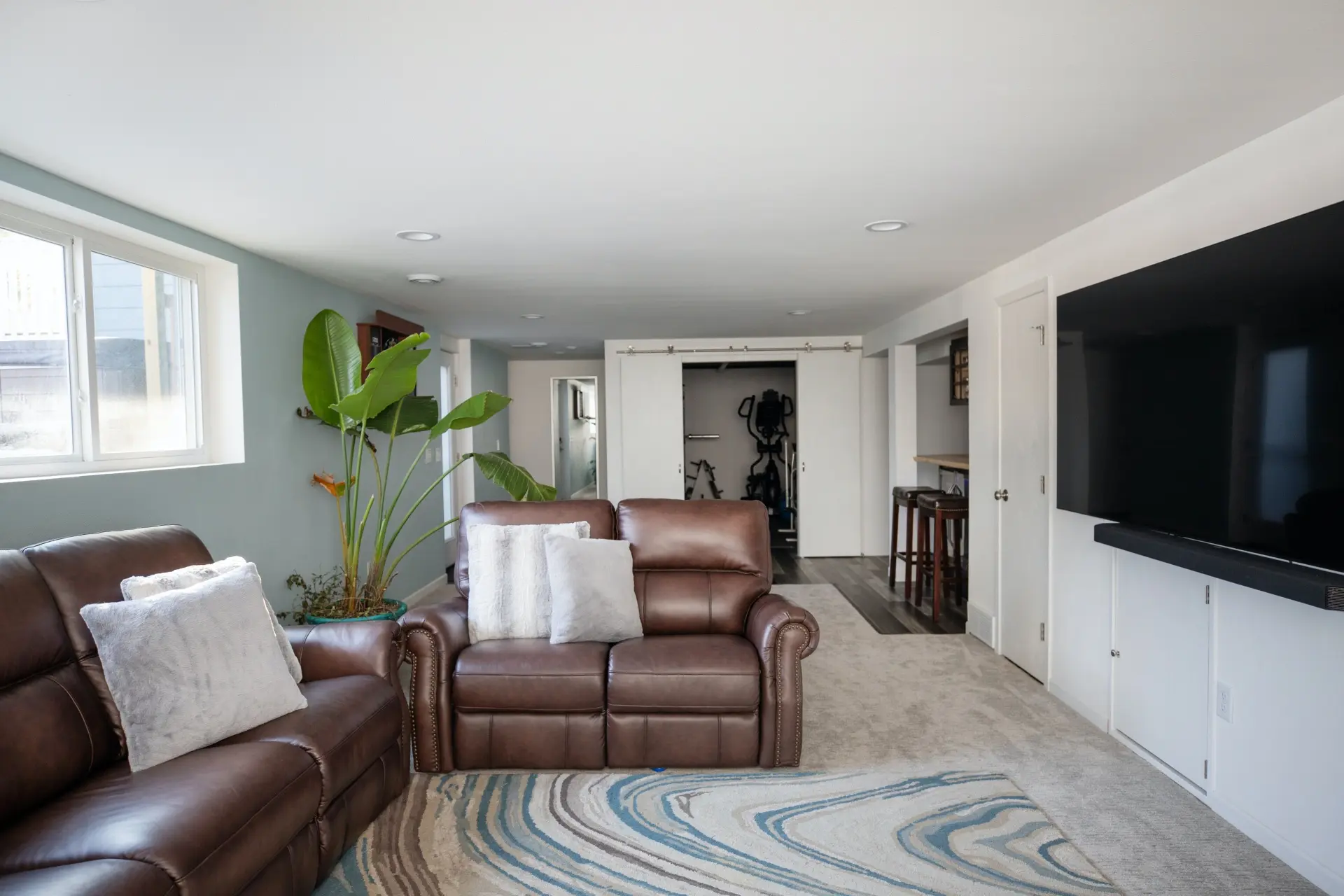
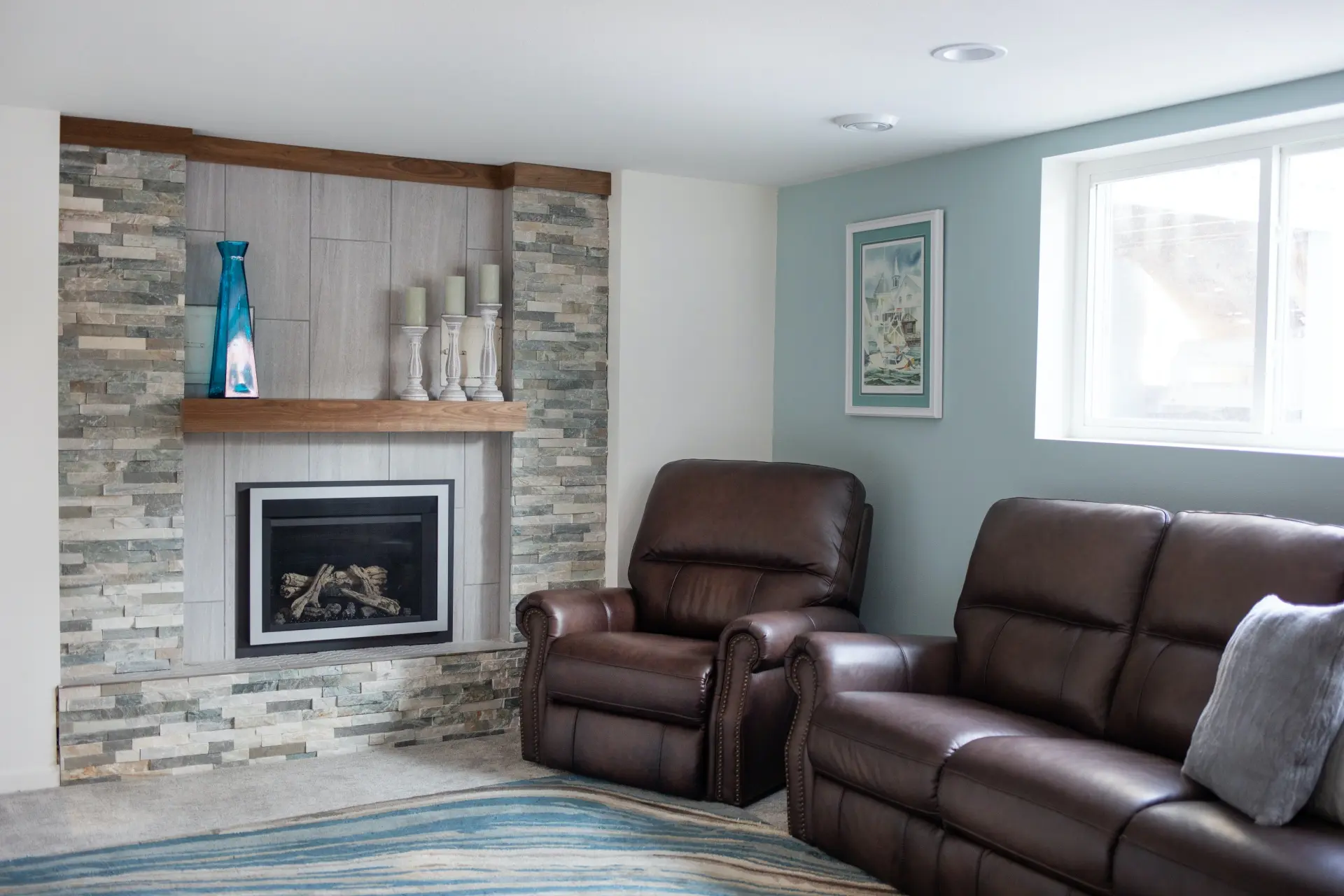
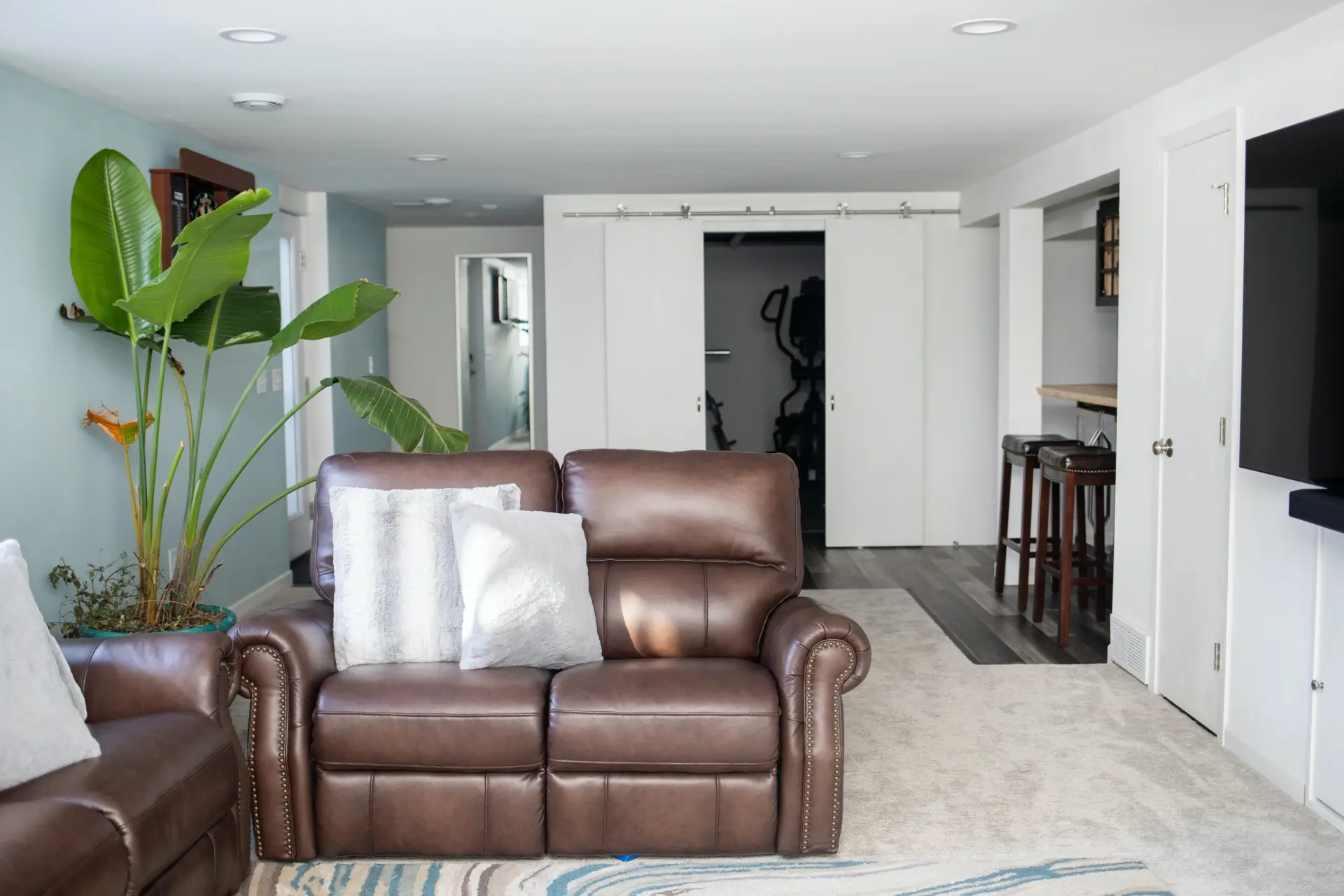
The best finished basements do not feel like a separate world. They feel intentional.
Here is what we aim for:
- Match trim style and door hardware where it makes sense
- Use layered lighting so it does not feel like a cave
- Plan storage on purpose so the finished space stays finished
- Build zones based on how your family actually lives
- Keep access to utilities practical without making the space ugly
If you are in Verona, Madison, Mount Horeb, McFarland, or Oregon and your basement is sitting there with unused potential, the best first step is a consult that starts with moisture and comfort, not just paint color. That is how you get a space you actually use.
FAQs
Why does my basement feel more humid in late summer even if it never floods
Humidity can rise seasonally and basements hold moisture. A dehumidification plan and proper materials help a lot.
What flooring options hold up best in Wisconsin basements
Materials that tolerate humidity swings tend to perform better. Your contractor can recommend options based on your conditions.
Should I fix moisture issues before finishing
Yes. Finishing before resolving moisture can lead to damage later.
Do I need an egress window if I add a bedroom
Often yes. Bedroom egress is commonly required. Planning early avoids expensive changes later.
What is the most common basement finishing mistake
Skipping comfort and moisture planning, then trying to fix dampness or cold after the space is finished.